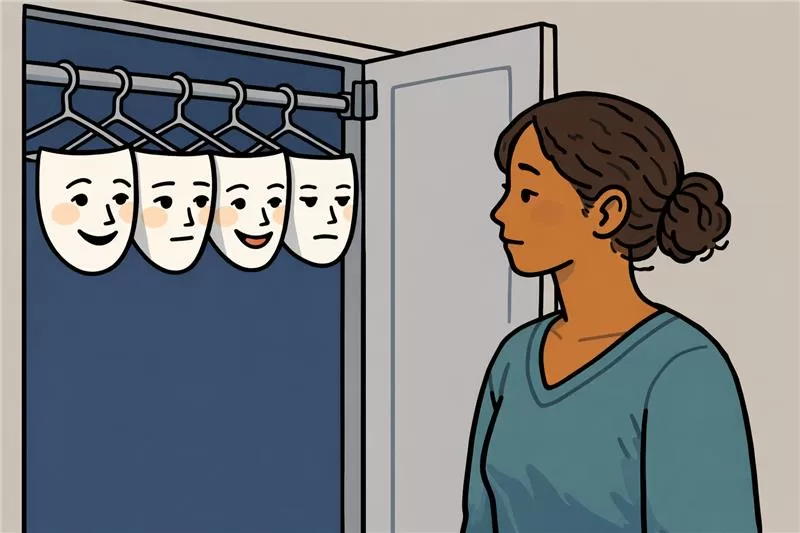
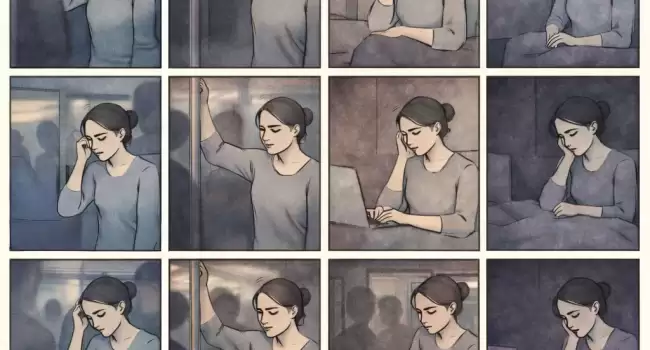
Stress doesn’t always look like falling apart. In many cases, it looks like holding everything together, quietly, consistently, and often at a personal cost.
For many women, stress becomes woven into daily life. It shows up in the constant balancing of roles, expectations, and responsibilities. It can live in the background of productivity, competence, and care for others. From the outside, everything may appear stable. Inside, however, there may be a steady undercurrent of overwhelm, pressure, and exhaustion.
Women are often socialized to be attentive, responsive, and accommodating, to anticipate needs, maintain relationships, and carry emotional responsibility. Over time, this can create an internal experience where stress is not always recognized as something that needs care, but rather something to push through.
The mental load plays a significant role here. It’s not just about tasks, it’s about the ongoing cognitive and emotional labor that often goes unseen. Keeping track of schedules, remembering details, anticipating problems before they arise, and holding space for others’ emotions can become an invisible but heavy burden. Even during moments that are meant to be restful, the mind may continue running.
This kind of stress can show up in subtle but persistent ways. You may notice difficulty turning your thoughts off at night, even when you’re physically tired. There may be a sense of being constantly “on,” as if your mind never fully relaxes. You might find yourself feeling irritable in situations that previously felt manageable, or emotionally distant even in moments that should feel connecting.
Physically, stress often speaks through the body. Headaches, muscle tension, digestive discomfort, and fatigue can all be signals that something deeper is being carried. Emotionally, it may look like anxiety, overthinking, or a quiet sense of depletion.
At times, stress can also shape how you relate to yourself. There may be an internal dialogue that sounds like:
“I should be able to handle this.”
“Other people have it worse.”
“I just need to get through it.”
These thoughts can reinforce a cycle where rest feels undeserved, and asking for help feels uncomfortable or even unnecessary.
There are also patterns that tend to emerge over time. You may find it difficult to say no, even when you feel overwhelmed. You might prioritize others’ needs while postponing your own. Rest may feel unfamiliar or even anxiety-provoking, as if slowing down risks something falling apart.
A few common signs of stress include:
- Persistent overthinking or difficulty “shutting off” your mind
- Feeling overwhelmed even when things seem manageable
- Irritability or emotional sensitivity
- Sleep disruptions or chronic fatigue
- Physical tension or discomfort
- Difficulty concentrating or making decisions
While these experiences are common, they are not something you have to simply accept as part of life.
Unaddressed stress can gradually lead to burnout, a state where emotional, physical, and mental exhaustion intersect. Burnout doesn’t happen all at once; it builds over time, often quietly. You may begin to feel disconnected from things you once cared about, less motivated, or emotionally numb.
How can Therapy Help
- Therapy helps you unpack the mental load of work, relationships, and daily expectations
- It supports understanding how stress shows up emotionally and physically
- It creates space to process burnout, guilt, and feeling overwhelmed or unseen
- It helps you recognize patterns like overextending yourself or prioritizing others
- It encourages reconnecting with your needs and setting boundaries without guilt
- It offers practical tools to manage stress in a more sustainable way
You don’t have to wait until things feel unmanageable to seek support. At Trust Therapeutics, we recognize that stress is not just about external demands, it’s also about internal expectations, relational patterns, and the ways you’ve learned to navigate the world. Therapy can support you in identifying those patterns, setting boundaries, and developing a more sustainable relationship with your time, energy, and self.