
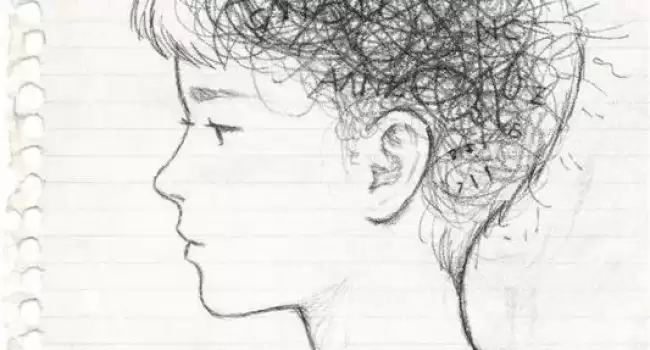
Why Adolescence Feels So Overwhelming
Adolescence brings significant change. Teens navigate academic demands, social relationships, identity development, and growing independence all at once. Each area presents its own challenges, and together they can create a level of stress that feels overwhelming and difficult to understand.
At the same time, the brain continues to develop, especially in areas responsible for emotional regulation, decision-making, and impulse control. Teens experience complex emotions without fully developed tools to process or communicate them. As a result, stress often shows up “sideways,” through behavior rather than direct expression.
Academic Pressure and Self-Worth
Academic pressure remains one of the most common stressors for teens. Expectations around grades, performance, and future planning can feel intense. Many teens tie academic success to their identity and self-worth.
A single grade, missed assignment or difficult exam can feel like more than a setback, it can feel like a reflection of who they are or what they are capable of. This experience often intensifies for teens who struggle with perfectionism, anxiety, or self-doubt. Even when adults say, “it’s just one grade,” teens may still experience it as something much heavier.
Busy Schedules and Limited Space to Process
Many teens manage packed schedules filled with school, extracurricular activities, social commitments, and sometimes family responsibilities. These demands leave little time to rest and even less time to process emotions.
Without space to reflect, stress can build and eventually surface through behavior.
Social Stress and the Need to Belong
Social dynamics play a central role in teen stress. During adolescence, the need for belonging becomes especially important. Friendships go beyond shared activities—they shape identity, validation, and emotional connection.
When something feels off socially, whether through conflict, exclusion, or difficulty fitting in, the emotional impact can feel significant. These experiences influence how teens see themselves and their place in the world.
Some teens respond by withdrawing and isolating themselves. Others react with heightened sensitivity, responding strongly to perceived rejection or criticism.
Identity Development and Internal Pressure
Teens actively explore questions such as: Who am I? What do I value? Where do I belong?
This process can feel both exciting and overwhelming. Teens may move between moments of clarity and periods of confusion or self-doubt. They often experiment with different aspects of identity, sometimes feeling confident and other times feeling disconnected.
At the same time, they navigate expectations from family, school, and society. These expectations can feel motivating but also create pressure, especially when teens feel responsible for meeting certain standards or roles.
How Stress Shows Up Behaviorally
Stress during adolescence does not always appear in obvious ways. Instead, you may notice changes in mood, energy, or behavior, including:
- Irritability or mood swings
- Withdrawal from social or family interactions
- Changes in sleep or appetite
- Difficulty focusing or completing tasks
- Loss of interest in activities
These signs often reflect deeper emotional experiences.
Looking Beneath the Behavior
Behavior often communicates what teens cannot yet express in words:
- Irritability may signal overwhelm
- Withdrawal may reflect disconnection or difficulty expressing emotions
- Lack of motivation may stem from self-doubt or fear of failure
Teens may not yet have the emotional awareness or language to describe what they feel. Instead of saying “I’m overwhelmed,” they may shut down, avoid conversations, or become easily frustrated. Instead of asking for help, they may push others away or act as though they do not need support.
This creates a gap between what teens experience internally and how others perceive them externally.
Supporting Teens Effectively
Support starts with understanding. Creating a space where teens feel heard without judgment or immediate correction, can make a meaningful difference.
Listening without rushing to fix the problem is key. While offering solutions may feel helpful, teens often benefit more from feeling understood first. Validation does not mean agreement; it means recognizing that their experience is real and important.
It also helps to notice patterns:
- When do behavioral changes occur?
- What situations trigger stress?
- Are certain environments or relationships more challenging?
These observations can provide insight into what teens experience internally.
How Therapy Can Help
Therapy offers an additional layer of support. It provides a space where teens can explore their thoughts and emotions freely, without pressure or expectation.
In therapy, teens can:
- Identify and understand their emotions
- Develop coping strategies for stress
- Improve communication skills
- Build confidence and self-awareness
Therapy does not aim to “fix” teens. Instead, it supports them in understanding themselves and developing tools to navigate their world more effectively.
Our Approach at Trust Therapeutics
At Trust Therapeutics, we work collaboratively with teens. We recognize that each teen’s experience is unique, and we approach them with empathy, patience, and respect.
We understand that trust takes time. Teens may not open up right away—and that’s okay. We focus on creating a safe space where they can explore at their own pace.
Final Thoughts
Stress during adolescence is common, but it deserves attention and care.
When teens receive understanding and support, stress can become an opportunity for growth. They can learn to manage emotions, communicate their needs, and develop a stronger sense of self.
With the right support, what once felt overwhelming can become manageable—and even meaningful.
At Trust Therapeutics, we believe every teen deserves to feel seen, heard, and supported.
Because sometimes, what looks like behavior… is actually a message.
And when we take the time to understand that message, we create space for real connection and lasting change.