








Your 20s are often framed as a time to build, explore, and figure things out — school-to-work transitions, new financial pressures, evolving relationships, and a still-forming sense of identity, often without the structure that earlier stages of life provided. Because of that mix, burnout can build quietly during this decade, even while you’re still meeting expectations and showing up.
What makes this stretch of life distinct isn’t just the workload — it’s the accumulation of first-time, high-stakes decisions happening all at once, with comparatively little practice managing any of them yet.
Why Burnout Can Build in Your 20s
This stage of life often removes the built-in structure of school or family routines while adding real financial and career stakes. You’re responsible for managing your own time, priorities, and energy, often while making decisions that feel high-stakes without much certainty behind them.
Without enough recovery built in, that ongoing pressure can turn into burnout — not because anything went dramatically wrong, but because the baseline demands of this stage of life are simply higher than the recovery time most people build in.
What Burnout May Feel Like
Burnout is more than ordinary tiredness. It can affect concentration, motivation, and connection to things you used to care about. Tasks that once felt manageable may start to feel disproportionately difficult, and a sense of being constantly “behind” can persist even when you’re doing as much as you reasonably can.
The Pressure to Keep Up
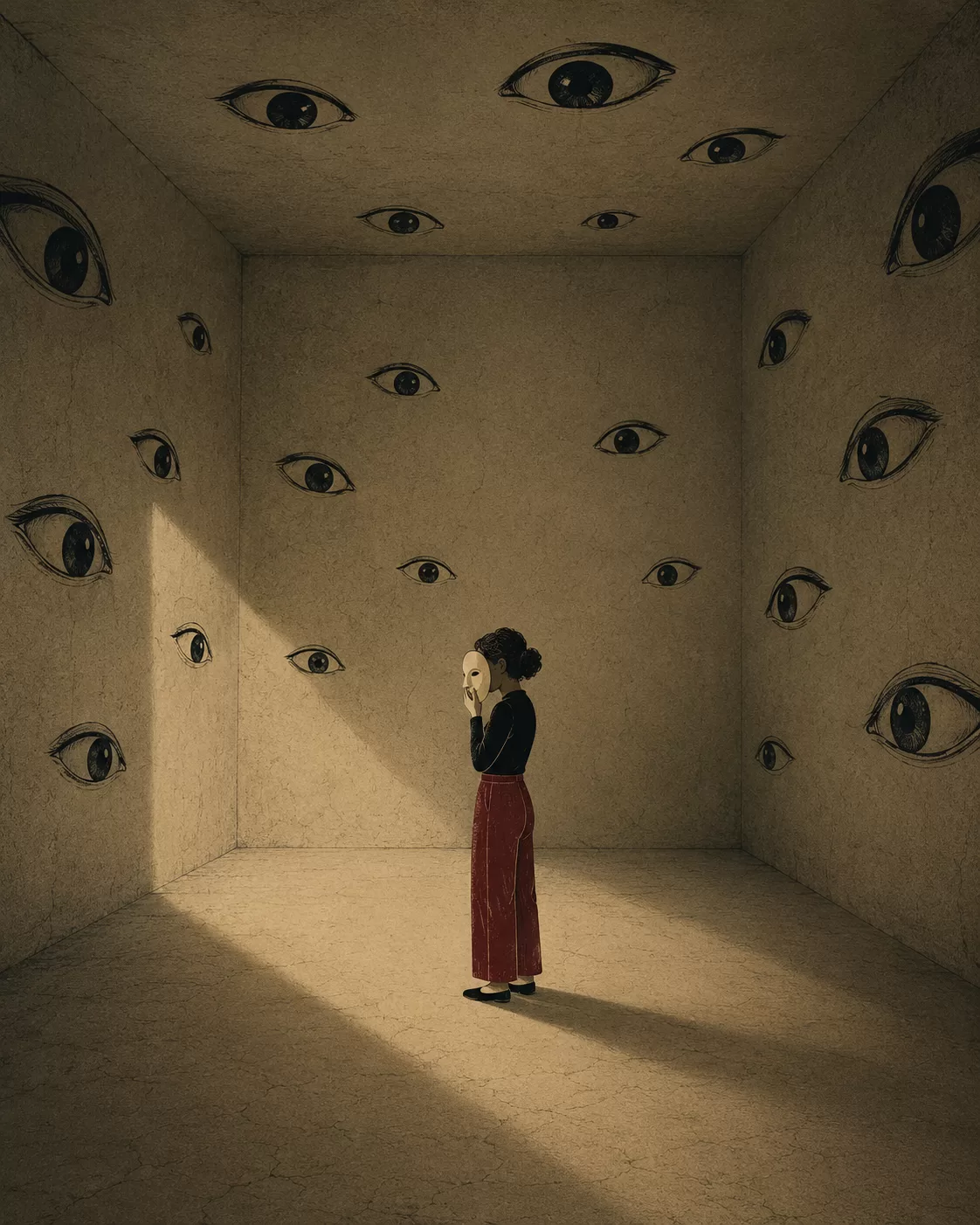
Comparison is one of the biggest contributors to burnout at this age — watching peers reach milestones, get promotions, or seem to have things figured out. Social media often amplifies this by showing a filtered version of other people’s lives rather than the full picture, which can increase urgency and self-doubt that isn’t really warranted.
It’s worth remembering that this comparison rarely accounts for what’s actually happening behind the highlight reel — most people are managing more uncertainty than they let on.
Burnout Versus Depression or Ordinary Stress
Burnout isn’t a stand-in diagnosis for depression, anxiety, ADHD, sleep problems, or a medical condition — it’s a specific pattern tied to chronic overextension without enough recovery. Because symptoms can overlap, a professional evaluation is the most reliable way to tell what’s actually going on, especially if symptoms are persistent or severe.
What Recovery Can Involve
Recovery is rarely just about doing less. It often involves rebuilding your relationship with rest so it doesn’t require guilt or justification, setting boundaries that feel realistic rather than extreme, and addressing the underlying beliefs — about productivity, worth, or falling behind — that made pushing through feel like the only option.
How to Prevent the Next Cycle
Preventing burnout from recurring usually means building in recovery before exhaustion forces it — noticing early signs of rising stress, keeping boundaries that are sustainable rather than perfect, and treating rest as a requirement rather than a reward for finishing everything.
When Therapy May Help
If exhaustion, disconnection, or the sense of being constantly behind isn’t easing with time or rest, a therapist can help you sort out what’s driving it and build a more sustainable way of moving through this stage of life — without asking you to give up on what you’re working toward.
Get support building a sustainable path through work, school, and major life decisions.