When You Don’t Realize What’s Happening
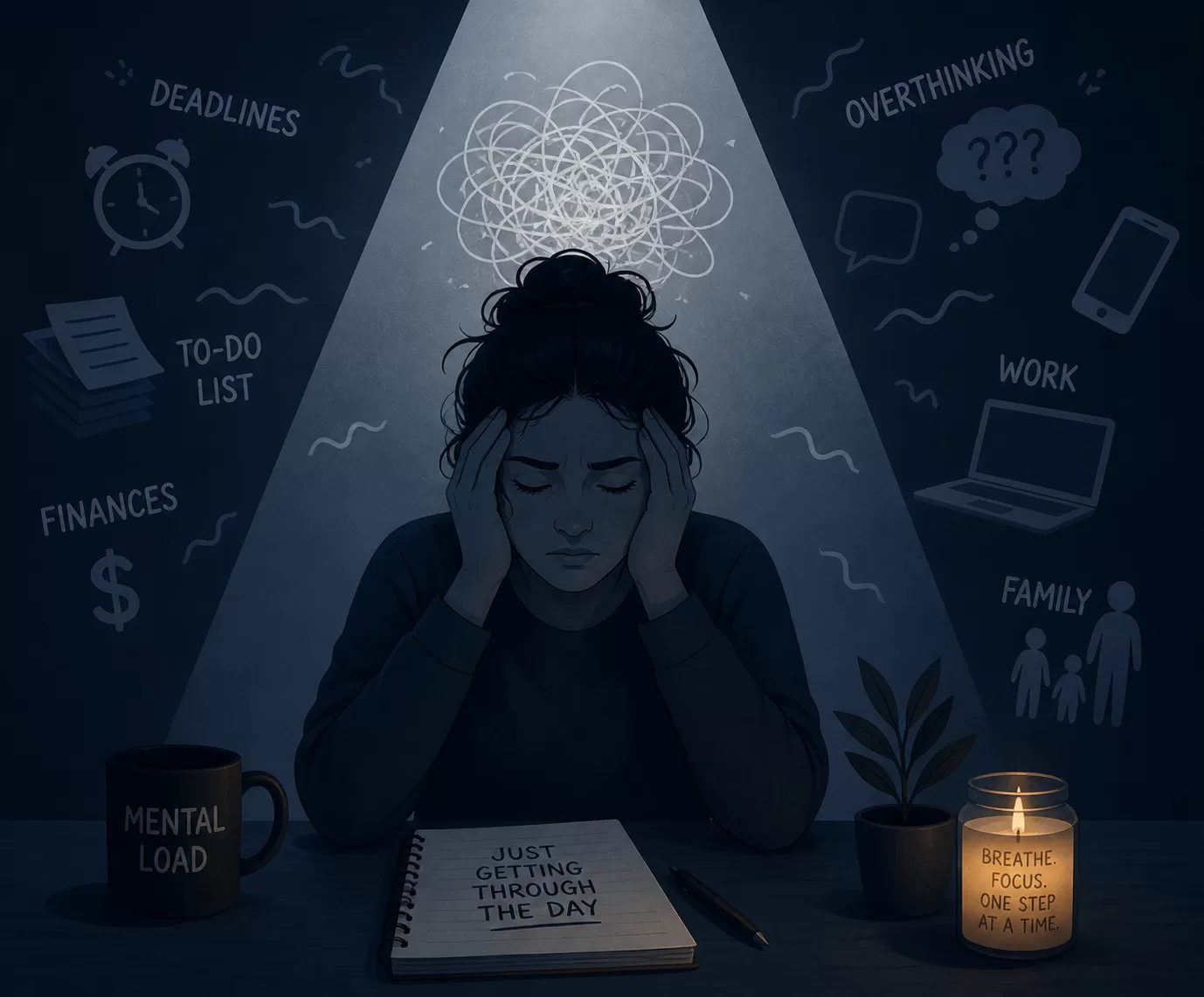
For many young professionals, burnout does not arrive with a clear announcement. It builds gradually — through longer hours, smaller recoveries, and the slow erosion of the energy that once made work feel manageable. This case study reflects a common experience: continuing to function on the outside while something significant is shifting on the inside.
What Chronic Stress Looks Like in Practice
Many individuals experiencing burnout continue to meet their responsibilities. They show up, respond to emails, complete projects. But the effort required to do these things becomes increasingly significant. Rest does not feel restorative. Tasks that once took an hour now take three. Motivation that once felt natural now has to be manufactured.
The Turning Point
For many, the turning point is not a dramatic breakdown. It is a quieter recognition — that something has changed, that the current pace is not sustainable, and that continuing without support is not a real option. This recognition, though often uncomfortable, is also the beginning of something important.
What Therapy Looked Like
Therapy provided a space to slow down and understand what had been happening. Rather than focusing on doing more, the work focused on understanding patterns — the beliefs that made rest feel impossible, the habits that kept the system in overdrive, and the gradual steps that could begin to create recovery. At Trust Therapeutics, we work with young professionals who are navigating high levels of stress and burnout.