
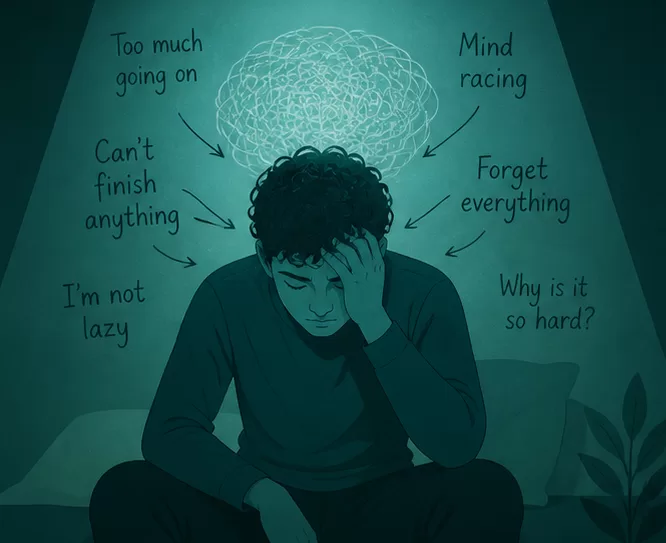
Why Motivation Does Not Always Follow Goals
It is a common frustration — you have goals that genuinely matter to you, but you cannot seem to make yourself work toward them. The problem is often not a lack of wanting. It is a gap between intention and action that feels difficult to bridge. Understanding this gap is the first step toward addressing it.
What Unmotivation Usually Signals
Unmotivation is rarely just laziness. It is more often a signal that something is not working — the goal feels overwhelming, the path forward is unclear, the stakes feel too high, there is not enough recovery to sustain effort, or the brain’s reward system is not responding in a way that makes effort feel worthwhile.
What Actually Helps
Rather than trying to manufacture motivation, it is more effective to create conditions that allow motivation to emerge:
- Break goals into the smallest possible next actions
- Reduce friction — make starting as easy as possible
- Create meaningful accountability
- Address underlying burnout or exhaustion before expecting motivation to return
- Reconnect with why the goal matters, not just what it requires
When Unmotivation Points to Something More
Persistent unmotivation — especially when accompanied by other signs like exhaustion, disconnection, or loss of interest in things that usually matter — can be a sign of burnout, depression, or ADHD. These are not character flaws. They are conditions that respond to the right kind of support.
How Therapy Can Help
At Trust Therapeutics, therapy can help you understand what is actually behind your unmotivation and develop an approach to goals and effort that works with your experience rather than against it.