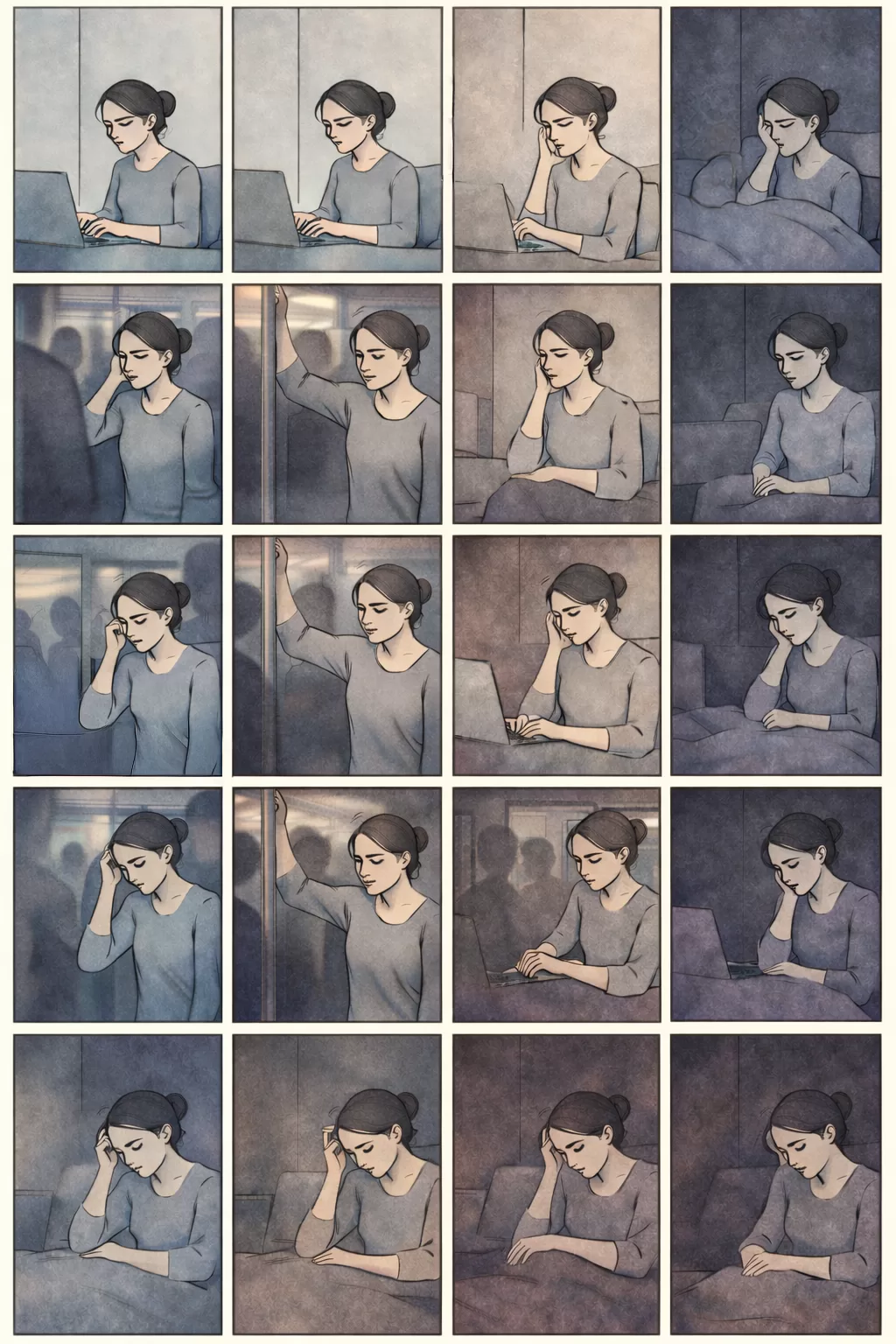









Practical strategies that actually help when stress becomes constant
For many working professionals, stress does not feel like a temporary experience. It feels constant.
There is always something to respond to, something to complete, something to prepare for next. Even outside of work hours, the mind often stays active, replaying conversations, anticipating responsibilities, or trying to stay ahead of what is coming.
Over time, this level of stress can begin to feel normal. It becomes part of the routine. Many high-performing individuals continue functioning at a high level while feeling internally exhausted.
The challenge is that when stress becomes constant, it is no longer just stress. It begins to shift into burnout.
Understanding the difference, and knowing how to respond early, can make a meaningful difference in both well-being and long-term functioning.
When Stress Stops Being Temporary
Stress, in itself, is not inherently harmful. It is a natural response that helps the body stay alert and responsive to demands.
The concern arises when stress does not resolve.
For many professionals, there is no clear endpoint. One project leads into another. One demand is replaced by the next. Without intentional recovery, the system remains in a prolonged state of activation.
This often shows up as:
- Difficulty fully disconnecting from work
- Constant mental preoccupation with responsibilities
- Feeling physically tired but mentally wired
- Reduced ability to focus or complete tasks efficiently
- Increased irritability or emotional reactivity
At first, these symptoms may feel manageable. Over time, they begin to accumulate.
Understanding Burnout
Burnout is not simply being tired. It is a deeper form of exhaustion that affects emotional, mental, and physical functioning.
Professionals experiencing burnout often describe feeling detached from their work, even if they once felt highly engaged. Tasks that were once manageable begin to feel overwhelming or meaningless.
There may also be a growing sense of inefficacy. Even when work is being completed, it may feel like it is not enough or not done well.
Burnout develops gradually. It is often the result of sustained stress without adequate recovery.
Why High-Performing Professionals Are More Vulnerable
Many individuals who experience burnout are not disengaged. They are highly invested.
High-performing professionals often hold themselves to elevated standards. They may take on additional responsibilities, push through fatigue, and prioritize productivity over rest.
While these traits can contribute to success, they can also increase vulnerability to burnout when not balanced with recovery.
There is often an internal belief that slowing down is not an option. Over time, this belief can lead to chronic overextension.
Shifting from Endurance to Sustainability
One of the most important shifts in managing stress is moving away from endurance-based thinking.
Many professionals approach stress by pushing through it. While this may work in the short term, it is not sustainable.
Instead, the focus needs to shift toward regulation and recovery.
This does not mean reducing all responsibilities. It means adjusting how energy is managed.
Practical Strategies That Support Daily Regulation
Effective stress management does not require drastic life changes. Small, consistent adjustments can create meaningful shifts over time.
Here are a few strategies that tend to be both realistic and impactful:
- Creating clear boundaries between work and personal time, even if brief
- Scheduling intentional breaks rather than waiting for exhaustion
- Reducing multitasking and focusing on one task at a time
- Noticing early signs of stress rather than waiting until burnout
- Incorporating brief moments of reset throughout the day
These strategies may seem simple, but their impact comes from consistency rather than intensity.
The Role of Awareness
Many professionals do not realize how much stress they are carrying until it reaches a breaking point.
Building awareness of internal states is a key part of prevention.
This includes noticing physical tension, shifts in mood, and changes in focus. These signals often appear before burnout fully develops.
Responding early allows for adjustment before the system becomes overwhelmed.
When Additional Support Is Needed
There are times when stress and burnout become difficult to manage independently.
If you are experiencing persistent exhaustion, loss of motivation, difficulty concentrating, or a sense of disconnection from your work or life, additional support may be helpful.
Therapy can provide a space to explore patterns that contribute to burnout and develop more sustainable ways of functioning.
Approaches such as Cognitive Behavioral Therapy can help identify thought patterns that reinforce overworking, while Acceptance and Commitment Therapy can support values-based decision making and flexibility.
Insight-oriented work can also help uncover deeper patterns related to identity, performance, and self-worth.
Moving Toward a More Sustainable Way of Working
Burnout is not a reflection of weakness. It is often a reflection of sustained effort without adequate support or recovery.
Shifting toward sustainability does not require abandoning ambition. It requires redefining what sustainable success looks like.
This includes recognizing limits, prioritizing recovery, and creating systems that support long-term well-being.
You Do Not Have to Navigate This Alone
At Trust Therapeutics, we work with professionals who are navigating high levels of stress and burnout.
Our approach integrates evidence-based therapies such as Cognitive Behavioral Therapy, Acceptance and Commitment Therapy, and insight-oriented work to help clients better understand their patterns and build more sustainable ways of functioning.
We recognize that high-performing individuals often need support that respects both their goals and their well-being.
If stress has become constant or burnout is beginning to take hold, reaching out can be an important step toward creating a more balanced and sustainable path forward.