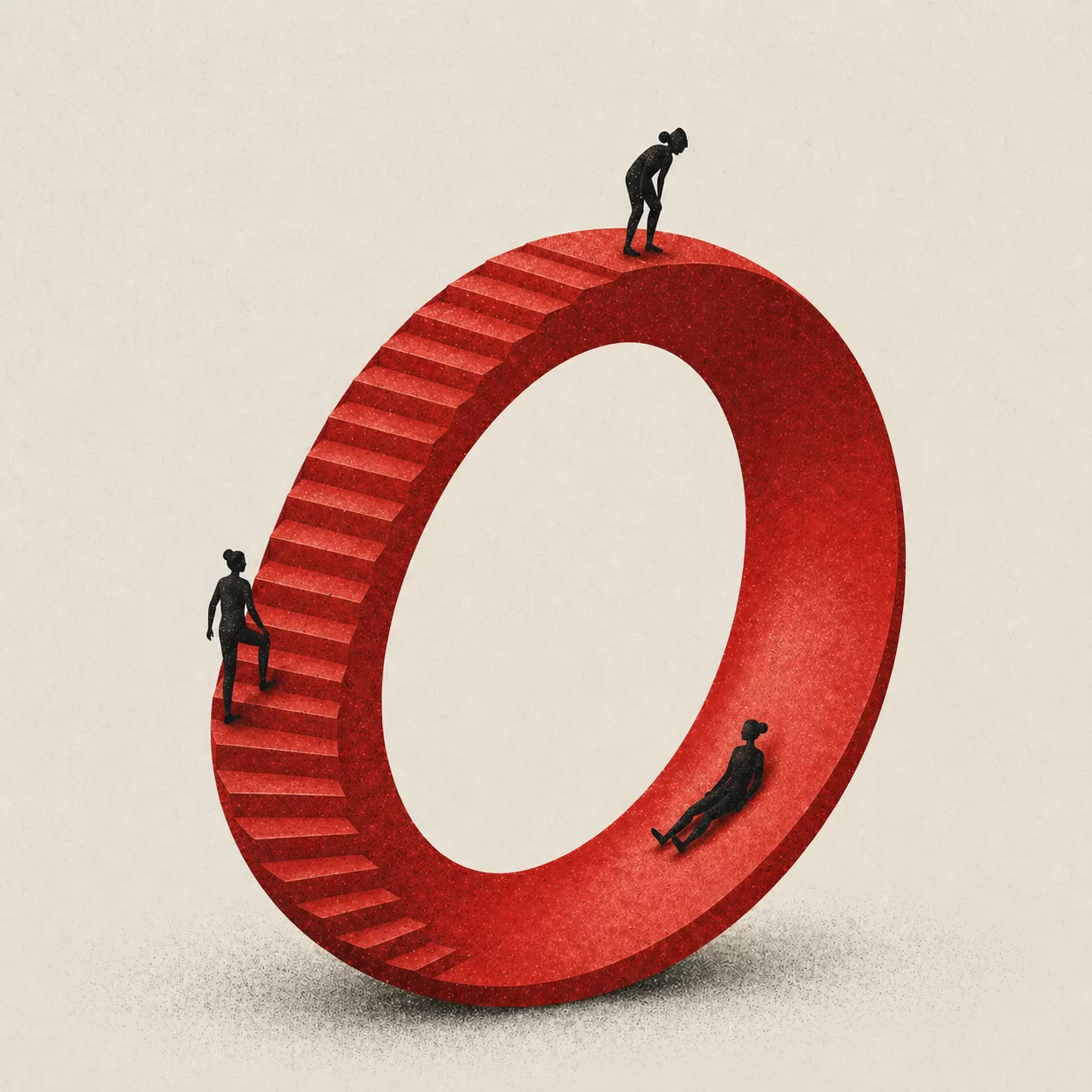









The teenage years bring increased social expectations, emotional complexity, and a growing sense of identity. For teens with autism, this stage can feel especially challenging, often in ways that are not immediately visible to others.
Autism in teens does not always look obvious. Many teens have developed ways of adapting to social environments, which can make their experiences less noticeable from the outside. They may appear to be managing well, participating in school, maintaining friendships, or engaging in activities. At the same time, these adaptations often require significant effort. What isn’t always seen is how much energy it takes to navigate environments that may not naturally align with how they process the world.
Social interactions can be one of the most difficult areas. Many teens want connection. They want friendships, belonging, and understanding. However, initiating and maintaining social interactions can feel uncertain or overwhelming.
Understanding social cues, like tone, facial expressions, or unspoken expectations, can be challenging. Conversations may require more thought and effort. There may be moments of confusion about how to respond or what is expected in a given situation. Over time, this can lead to hesitation, overthinking, or avoidance of social interactions altogether.
There is often a growing awareness of being different. This awareness may not happen all at once. Instead, it develops gradually, especially as peer relationships become more central during adolescence.A teen may begin to notice that social interactions feel more effortful than they seem for others. They might feel like they are constantly trying to keep up, interpret, or adjust. This can create a quiet sense of being out of place, even in environments where they are included.
This awareness can also impact self-esteem. Without a clear understanding of why things feel different, teens may internalize these experiences as personal shortcomings rather than differences in how they process and engage with the world.
Sensory sensitivity is another important part of the experience. Everyday environments like classrooms, cafeterias, or social events can feel overwhelming. Sounds may be louder, lights may feel harsher, and crowded spaces may be difficult to tolerate. This is not simply discomfort, it can be physically and emotionally draining. Over time, navigating these environments can lead to fatigue, irritability, or the need to withdraw.
Routine and predictability often provide a sense of comfort and stability. Knowing what to expect can reduce anxiety and create a sense of control. When routines are disrupted, even in small ways, it can feel unsettling or overwhelming. For many teens, another layer of complexity comes from masking. Masking involves adapting behavior to fit in with peers or meet social expectations. This might include copying how others speak or act, suppressing natural responses, or carefully monitoring behavior in social situations.
From the outside, masking can make a teen appear socially comfortable. Internally, however, it often requires significant effort and attention.
Over time, masking can lead to exhaustion. It can create a disconnect between how a teen presents and how they actually feel. This disconnect can contribute to anxiety, stress, and a diminished sense of identity.
Some patterns that may be present include:
- Difficulty navigating social relationships
- Feeling out of place, even when included
- Strong interests that provide focus and comfort
- Sensory sensitivities to environments
- Preference for routine and predictability
Emotionally, the experience can vary. Some teens may feel isolated or misunderstood, even if they are surrounded by others. There may be a sense that others don’t fully see or understand their experience.
Others may experience anxiety, particularly in situations that are socially demanding or unpredictable. There may also be moments of self-doubt, questioning why things feel harder or why interactions don’t feel as natural. It’s important to recognize that these experiences are not signs of something being “wrong.” They reflect differences in how the brain processes information, social interaction, and sensory input.
Understanding autism during the teenage years can be incredibly meaningful. It provides a framework for making sense of experiences that may have previously felt confusing or isolating.
Therapy can play an important role in this process. It provides a space where teens can explore their experiences without pressure to conform or perform. It allows them to begin understanding themselves in a way that feels validating rather than critical.
At Trust Therapeutics, we focus on creating a space where teens feel safe to be themselves. We recognize that each teen has their own way of experiencing the world, and we approach that with curiosity, respect, and care. Therapy may include developing communication skills that
- Feel authentic, understanding sensory needs, and building strategies to navigate stress and social situations
- Involves supporting teens in building confidence, not by changing who they are, but by helping them better understand themselves.
Equally important is creating space for authenticity. Teens often spend so much energy trying to fit in that they lose touch with what feels natural to them. Therapy can help them reconnect with that sense of self. Every teen deserves to feel understood, not only by others, but by themselves.
At Trust Therapeutics, we believe that understanding leads to empowerment. And when teens feel understood, they are better able to build relationships, manage challenges, and move through the world with greater confidence.