







For many women, understanding autism comes later in life, not because it wasn’t present, but because it wasn’t recognized.
Autism has historically been understood through a lens that did not fully capture how it presents across different identities and experiences. As a result, many women move through childhood and adulthood sensing that they are different, but without the language to understand why.
Instead of being identified, many learn to adapt.
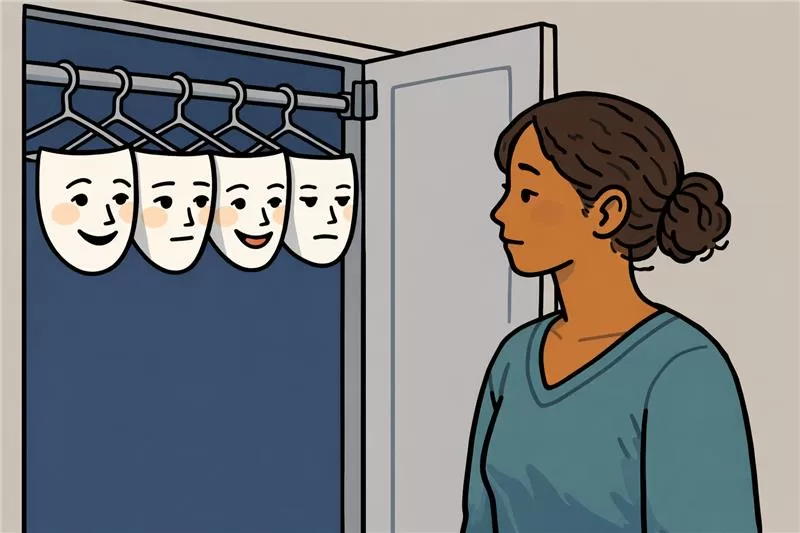
This adaptation often takes the form of masking, consciously or unconsciously observing others and adjusting behavior to fit social expectations. Over time, this can become second nature. Conversations may be rehearsed internally before they happen. Facial expressions, tone, and body language may be intentionally shaped to align with what is expected.
From the outside, this can look like social ease. Internally, however, it can feel effortful, draining, and at times, disorienting.
Masking can create a disconnect between how someone appears and how they actually feel. It may lead to chronic exhaustion, especially after social interactions. There may be a need to withdraw and recover, even if the interaction itself seemed “successful.”
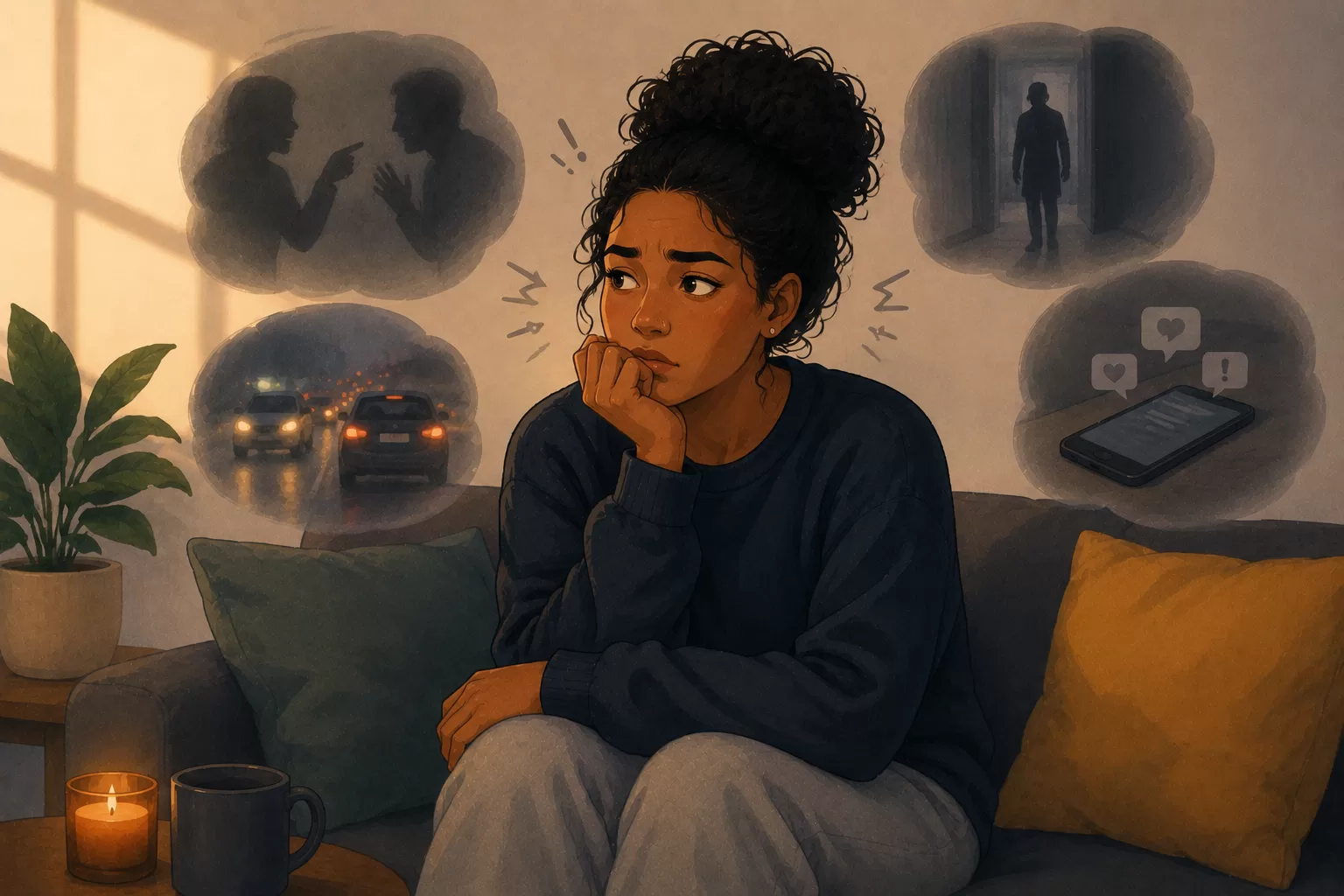
Many women describe a longstanding sense of feeling out of place. They may have friendships, relationships, and professional success, yet still carry an internal sense of not quite fitting in. This can lead to confusion, self-doubt, and a tendency to question one’s own experiences.
Sensory sensitivity is another important aspect. Environments that others find manageable, bright lights, loud spaces, certain textures, can feel overwhelming. This sensitivity is not simply discomfort; it can be deeply affecting and difficult to regulate.
Emotionally, experiences may be intense, but not always easy to articulate. There may be a strong awareness of others’ emotions, paired with difficulty identifying or expressing one’s own needs.
Some patterns that are commonly reported include:
- Social exhaustion after interactions
- A strong preference for routine or predictability
- Difficulty understanding or navigating social dynamics
- Deep, focused interests that provide comfort and stability
- People-pleasing tendencies as a way to maintain connection
Over time, these experiences can lead to burnout. Masking, in particular, requires sustained effort. When it continues without adequate support or understanding, it can result in emotional fatigue, anxiety, and a diminished sense of identity.
Many women who later explore autism describe a shift in perspective. What once felt like personal shortcomings begin to make sense. There is often a sense of relief of finally having language for experiences that previously felt confusing.
Understanding autism is not about labeling limitations. It is about recognizing patterns, honoring differences, and developing a more compassionate relationship with yourself.
Therapy can play a meaningful role in this process. At Trust Therapeutics, we approach this work from a neurodiversity-affirming perspective. This means creating space not for changing who you are, but for understanding how you experience the world.
This may include exploring sensory needs, identifying what overwhelms you, and reducing the pressure to mask in ways that are harmful or unsustainable. It also involves building relationships, both with others and with yourself, that feel more authentic and aligned.
If you’ve been diagnosed with autism and are looking for support, therapy can be an important next step. At Trust Therapeutics, we provide a supportive, nonjudgmental space where you can explore your experiences, better understand your needs, and develop tools that feel aligned with who you are. You don’t have to navigate this journey alone, support is here when you’re ready