
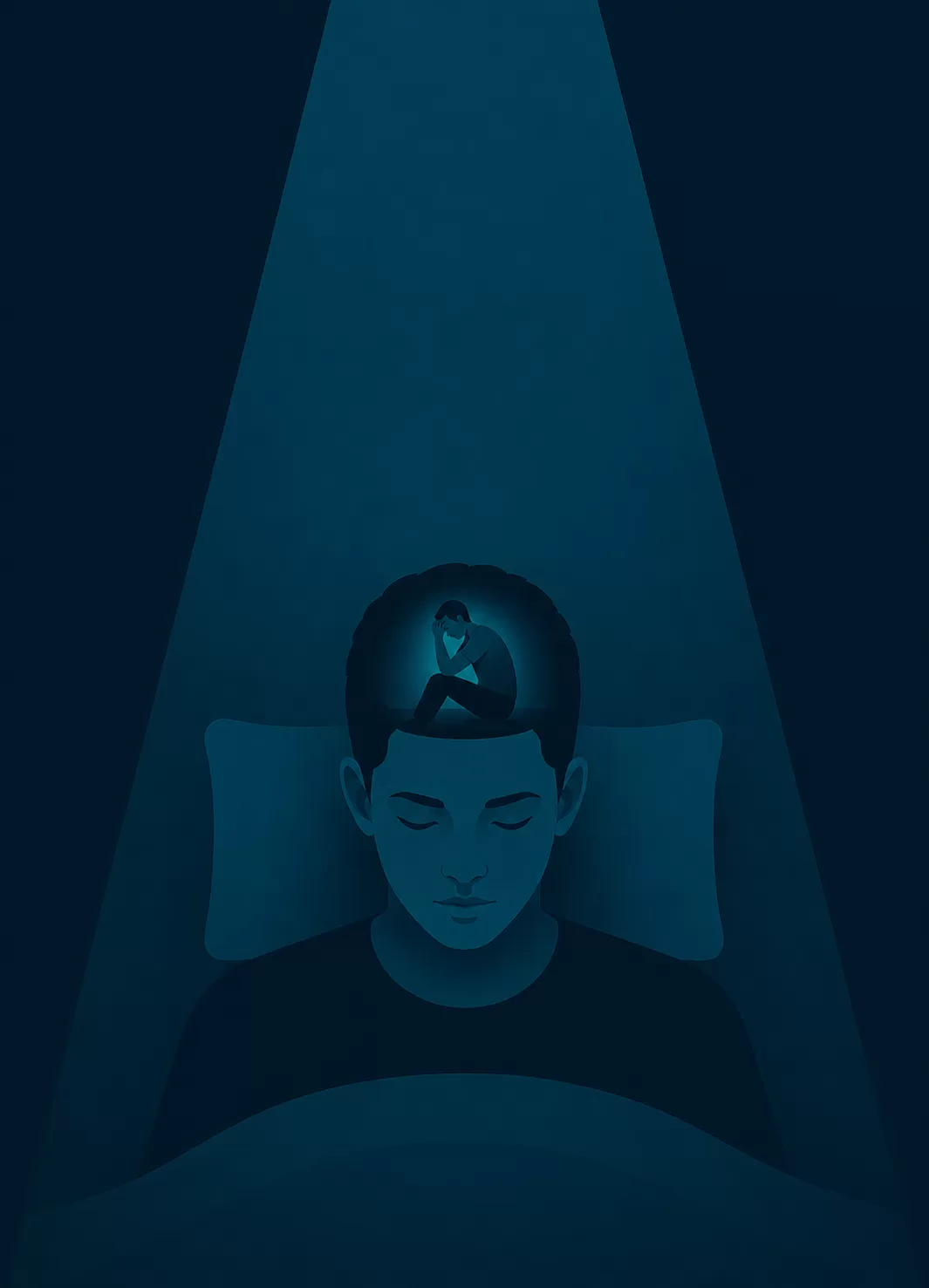
The Experience of Mental Overload
Rest is often described as the solution to stress. But many individuals find that even after resting, they still feel tired, mentally drained, or unable to fully reset. The answer often lies in understanding the difference between physical rest and mental recovery. When the mind remains active, alert, or overwhelmed, rest may not reach the deeper systems that need it.
Mental overload occurs when the brain is processing more information, responsibility, or emotional content than it can comfortably manage. When mental overload is present, the nervous system remains activated. Even during moments of rest, there may be a background sense of tension or alertness. This creates a state where rest does not feel restorative because the system is not truly disengaging.
Nervous System Fatigue and Chronic Stress
Over time, chronic stress can lead to nervous system fatigue. The system has been working overtime for so long that it becomes difficult to return to a baseline state. You may experience this as feeling both tired and wired — there is exhaustion, but also restlessness. Sleep may not feel refreshing. Even enjoyable activities can feel effortful. This is not a sign of failure. It is a sign that your system has been under sustained strain.
Why Traditional Rest Isn’t Enough
Activities like watching TV, scrolling on your phone, or even taking a nap can provide temporary relief, but they may not address deeper mental fatigue. True mental rest often involves reducing input rather than simply changing activities. It also involves creating space for the nervous system to shift out of a heightened state.
How Therapy Can Help
At Trust Therapeutics, therapy can help you understand the patterns that keep your system activated, and develop more effective ways to support genuine recovery. Rest is not a luxury. It is a necessity, and you deserve for it to feel like one.