
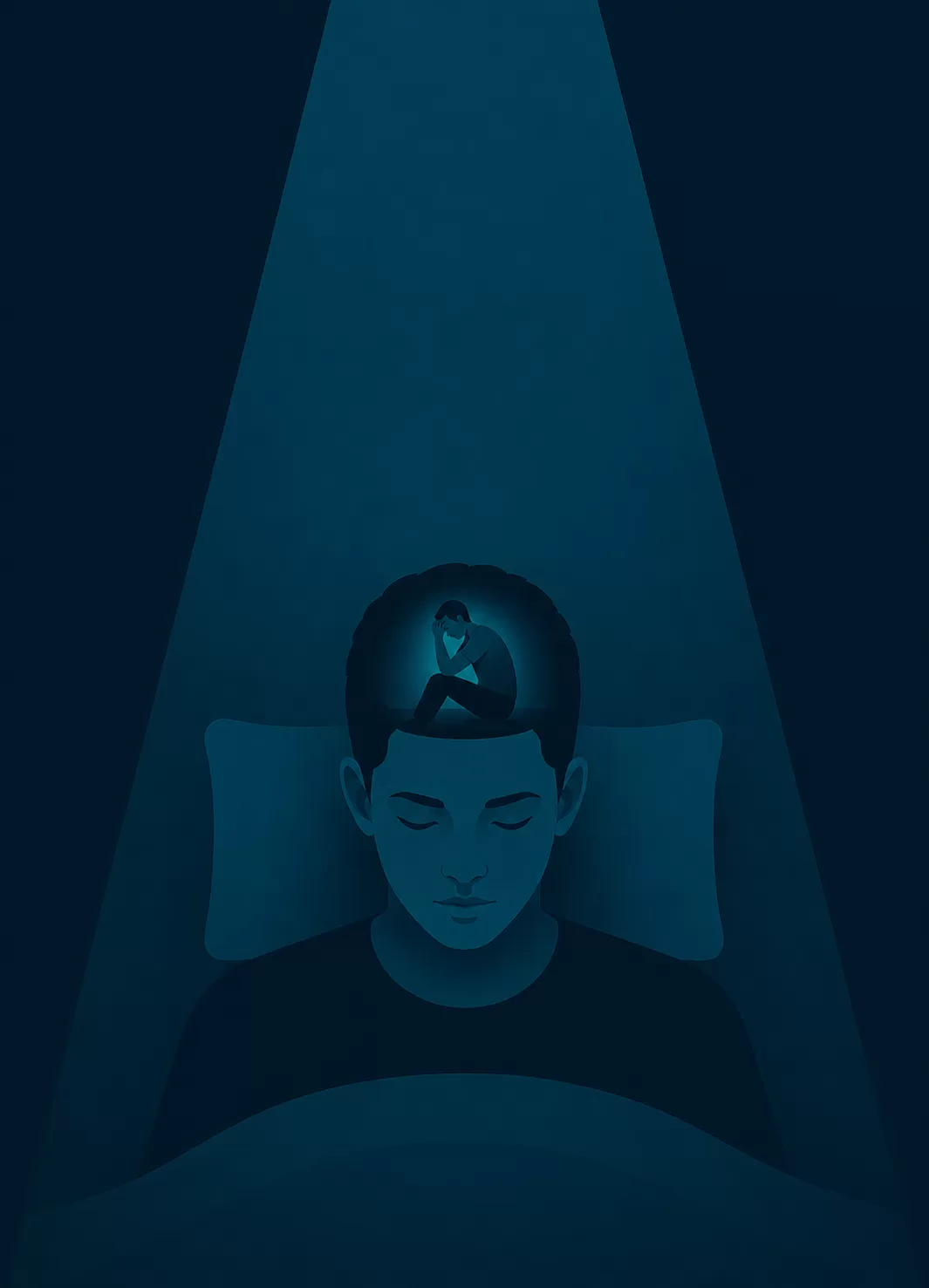








Taking time off and actually feeling restored aren’t always the same thing. If you’ve had a weekend, a vacation, or even a full night’s sleep and still feel just as drained afterward, that’s a common and legitimate experience worth taking seriously — it usually points to something more specific than simply needing more downtime.
This gap between rest and recovery can be confusing, because the usual advice — sleep more, take a break — assumes the problem is quantity. Often, it isn’t. The issue is more often about what kind of rest is actually happening, and whether anything is interfering with your ability to genuinely recover.
Rest and Recovery Are Not Always the Same
Time away from work or obligations is only one piece of recovery. Restorative sleep, cognitive rest (a break from constant mental input and decision-making), emotional recovery, and a genuine reduction in demands are separate ingredients.
It’s possible to check the “time off” box without getting any of the others, which is often why rest doesn’t feel like it’s working. A day off spent scrolling, worrying, or catching up on errands can leave you just as depleted as a full workday, even though it technically counted as rest.
Common Reasons Rest Does Not Feel Restorative
A number of overlapping factors can be involved, including poor sleep quality, an overloaded schedule that never fully switches off, chronic stress, depression, anxiety, burnout, certain medications, substance use, and underlying medical conditions.
Because these causes can overlap, it’s rarely just one thing, and it’s not something to self-diagnose from a list. The goal of naming these categories isn’t to land on a single answer yourself, but to recognize that persistent, unrefreshing fatigue usually has an identifiable cause worth exploring with a professional.
Mental Overload and Difficulty Disengaging
Sometimes the issue isn’t the amount of rest but the inability to actually disengage — checking messages, replaying the day, or mentally preparing for tomorrow even during supposed downtime.
This kind of mental carryover can make hours of rest feel far less restorative than they should, because the body may be still while the mind keeps working. Over time, this pattern can make rest itself start to feel unproductive or even stressful.
When Mood, Sleep, Medication, or Health May Be Involved
Persistent fatigue that doesn’t improve with rest is sometimes a sign of a mood or sleep disorder, a side effect of medication, or an underlying medical condition. Breathing exercises or a weekend off can genuinely help with everyday tension, but they aren’t a reliable fix for fatigue that has a deeper or more persistent cause.
If exhaustion doesn’t shift despite consistent rest, that’s a signal worth taking to a professional rather than pushing through or assuming more willpower is the answer.
Ways to Make Rest More Restorative
Small adjustments can help: building in a genuine wind-down period before sleep, reducing screen and decision load in the evening, and protecting at least some time that’s truly free of obligations rather than just less busy.
These changes tend to help most when the underlying cause is manageable day-to-day stress rather than something that needs clinical attention — which is part of why it’s worth paying attention to whether these adjustments actually move the needle over a couple of weeks.
When to Seek an Evaluation
If fatigue is persistent, worsening, or interfering with daily functioning despite consistent rest, a conversation with a primary care provider or a sleep specialist may be more appropriate than a therapy-only approach — and in some cases, both are useful together.
A therapist can also help you sort out whether stress, mood, or another factor is playing the larger role, and can help coordinate with other providers if a fuller evaluation is needed.
Seek support if exhaustion is persistent, worsening, or affecting daily life.