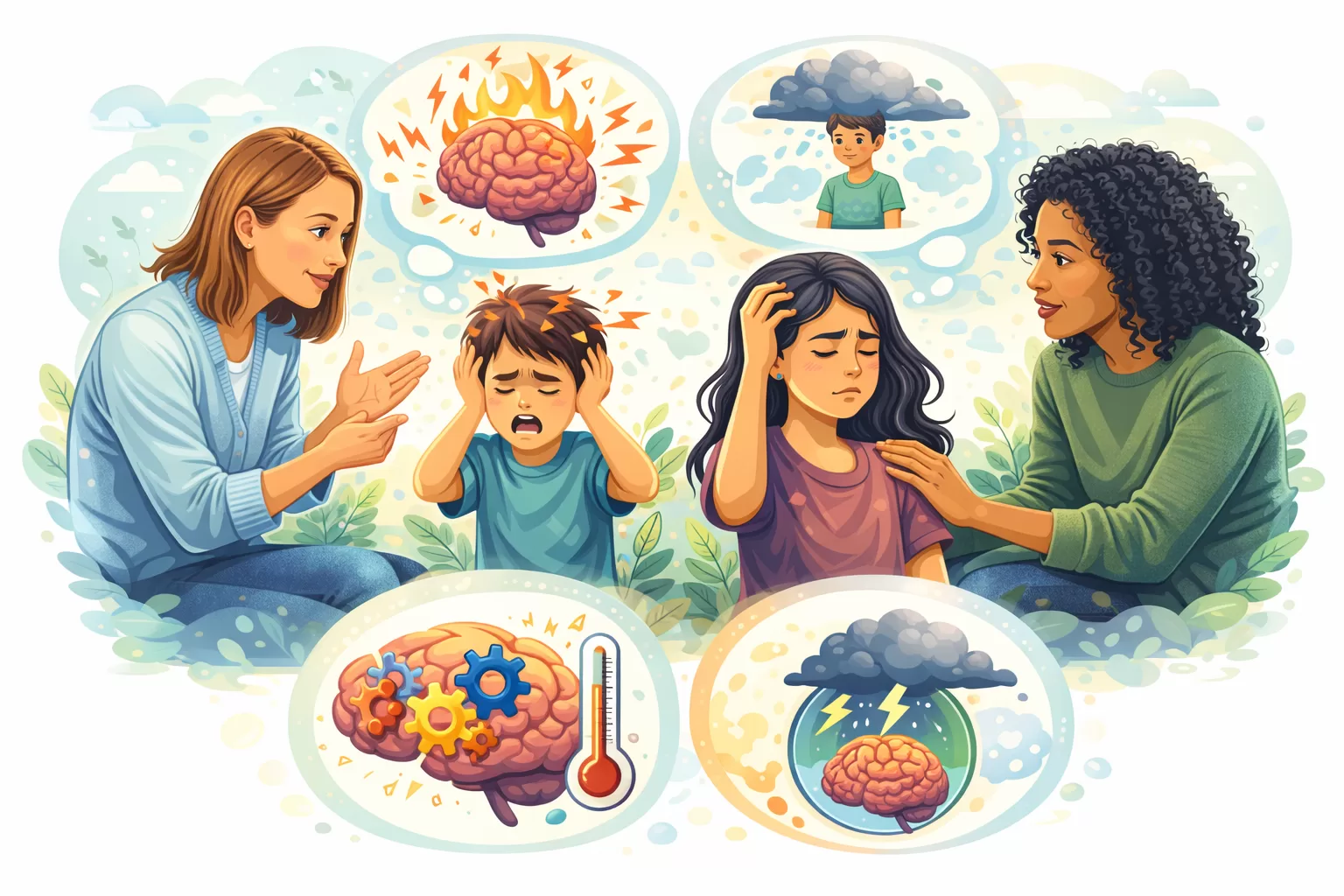









Understanding the experience beneath the surface 

For many college students, autism is not always obvious. 

There is a common assumption that autism will present in clear, visible ways. In reality, many students on the spectrum move through college without being recognized or understood, sometimes even by themselves. 

Some may already have a diagnosis. Others may begin to question their experiences for the first time during college, especially as demands increase and the environment becomes less structured. 

What makes this stage unique is that the support systems that once existed may no longer be in place. At the same time, expectations around independence, academics, and social life increase. 

Because of this, autism may begin to show up in new or more noticeable ways. 


Why College Can Feel Different 

Before college, there is often more structure. 

Schedules are clearer, expectations are more defined, and support may be built into the environment. In college, much of that structure is removed. 

Students are expected to manage their own time, navigate new social environments, and keep up with academic demands that may feel less predictable. 

For autistic students, this shift can be significant. 

What once felt manageable may start to feel overwhelming, not because of ability, but because the environment has changed. 


What Masking Looks Like in College 

Many autistic students develop ways of blending in socially. This is often referred to as masking. 

Masking can include copying social behaviors, rehearsing conversations, or closely monitoring how one is perceived. 

In college, masking can become more intense. 

There are new social expectations, group work, networking, and unstructured interactions that require constant adjustment. 

At first, masking can help someone feel more comfortable or accepted. Over time, though, it can become exhausting. 

Students may find that they are able to keep up socially for a period of time, but feel drained afterward. This can lead to withdrawal, even if they want connection. 


Social Experiences That May Feel Challenging 

Social life in college is often seen as a central part of the experience. 

For some autistic students, this can feel complicated. 

It is not always about a lack of interest in connection. Many students want friendships and meaningful interactions. The challenge is often in how those interactions unfold. 

Unspoken social rules, group dynamics, and fast-paced conversations can feel difficult to follow. 

There may be uncertainty about how to enter conversations, how long to stay in them, or how to interpret what others mean. 

This can lead to overthinking, hesitation, or avoiding certain situations altogether. 


Academic Strengths and Challenges 

Many autistic students have strong academic abilities. 

They may excel in areas of interest, focus deeply on subjects, and produce high-quality work. 

At the same time, there can be challenges that are not always visible. 

Time management can feel overwhelming when there is less external structure. Assignments that are open-ended or unclear may be harder to start. 

Group projects can also be difficult, especially when expectations are not clearly defined. 

There may also be difficulty with shifting between tasks or managing multiple deadlines at once. 

These challenges are not about intelligence. They are about how information and expectations are processed. 


Sensory Experiences in a College Environment 

College environments can be unpredictable. 

Classrooms, dorms, dining halls, and social spaces can all involve different levels of noise, lighting, and activity. 

For some autistic students, this can lead to sensory overload. 

What may feel like a normal environment to others can feel overwhelming or draining. 

This can affect concentration, energy levels, and overall comfort. 

Students may not always recognize that sensory input is contributing to how they feel. They may simply feel tired, distracted, or overwhelmed without a clear reason. 


Internal Experiences That Often Go Unnoticed 

One of the most important things to understand is that many autistic students are managing a lot internally. 

They may be constantly processing social interactions, managing sensory input, and trying to stay on top of academic demands. 

This effort is not always visible. 

From the outside, a student may appear quiet, independent, or even disengaged. Internally, they may be working hard to keep up. 

Over time, this can lead to exhaustion. 


When It Starts to Feel Like Too Much 

There may come a point where things feel harder to manage. 

A student might start falling behind, not because they do not care, but because starting feels overwhelming. 

They may withdraw socially, feel more anxious, or struggle to maintain routines. 

This can sometimes be misinterpreted as lack of effort or motivation. 

In reality, it is often a sign that the current way of coping is no longer sustainable. 


How Therapy Can Help 

Therapy can provide a space to better understand these experiences. 

At Trust Therapeutics, the focus is not on changing who someone is. It is on understanding how they experience the world and finding ways to support that. 

This might include: 

  • Building more manageable routines  
  • Understanding social patterns in a way that feels clear  
  • Developing strategies to reduce overwhelm  
  • Exploring the impact of masking and finding more sustainable ways of engaging  

Approaches like Cognitive Behavioral Therapy can help with managing stress and thoughts, while Acceptance and Commitment Therapy can support making choices that align with personal values. 

Insight-oriented work can also help students understand their identity and experiences more deeply. 


Understanding, Not Fixing 

One of the most important shifts is moving away from the idea that something needs to be “fixed.” 

Autism is not a problem to solve. 

What often needs support is the environment, the expectations, and the strategies being used to navigate them. 

When students feel understood, they are better able to find ways of functioning that work for them. 

You Do Not Have to Navigate This Alone 

At Trust Therapeutics, we work with college students who are navigating autism, stress, and the challenges of independence. 

We focus on helping you understand your experience and build strategies that feel realistic and sustainable. 

Whether you are newly exploring autism or have known for years, support can help you feel more grounded and more confident in navigating college life. 

You do not have to figure this out on your own.