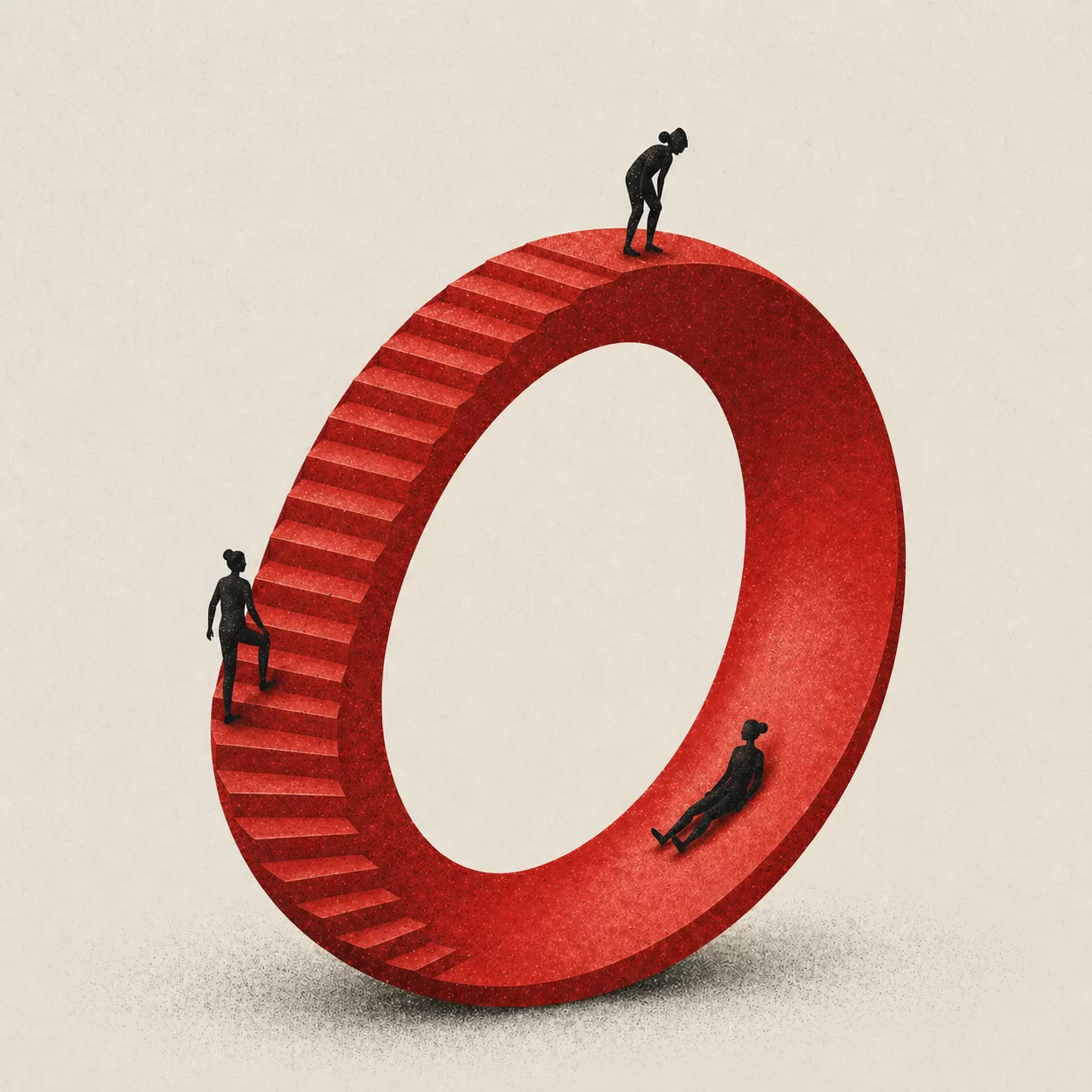









Time, sleep, and boundaries that actually make a difference 

When you are balancing school, work, and everything else that comes with early adulthood, stress can feel constant. 

There are deadlines, responsibilities, social expectations, and often a sense that you should be doing more or doing better. Even when you are getting things done, it can still feel like you are behind. 

Because of this, stress management can feel unrealistic. 

You may not have hours to dedicate to self-care or the ability to completely disconnect. What you need are strategies that fit into your life as it is right now. 

The goal is not to eliminate stress. It is to reduce how much it builds and how much it affects you over time. 


Why Stress Feels So Hard to Manage Right Now 

This stage of life comes with a unique mix of pressure and independence. 

You are expected to manage your own time, stay on top of responsibilities, and make decisions about your future, often all at once. 

At the same time, there is less external structure than before. No one is organizing your day for you. That responsibility falls on you. 

This combination can make even simple tasks feel overwhelming. 

When there is too much to manage and not enough structure, stress builds quickly. 


Managing Your Time Without Overcomplicating It 

Time management is often presented as something that requires detailed schedules and strict routines. 

For most students and young professionals, that approach does not last. 

What tends to work better is creating a simple structure that reduces decision-making. 

Instead of planning every hour, focus on identifying a few key priorities for the day. This helps you stay grounded without feeling restricted. 

It can also be helpful to think in smaller blocks of time. 

Starting a task for even 20 minutes can make it easier to continue. Waiting for the “perfect time” often leads to delay. 

The goal is not to use time perfectly. It is to use it in a way that feels manageable. 


Sleep Is Not Optional 

Sleep is often the first thing to be sacrificed when life gets busy. 

Late nights studying, working, or catching up on tasks can feel necessary in the moment. Over time, though, lack of sleep makes everything harder. 

Focus decreases. Stress increases. Tasks take longer. 

Improving sleep does not require a perfect routine. Small changes can help: 

  • Going to bed and waking up at roughly the same time most days  
  • Reducing screen use right before sleep when possible  
  • Allowing time to wind down instead of going straight from work to bed  

Better sleep does not solve everything, but it supports everything else. 

Understanding Boundaries in a Realistic Way 

Boundaries are often talked about as if they need to be strict and immediate. 

In reality, most people need to build them gradually. 

For students and young professionals, boundaries might look like: 

  • Setting a general end point for work or studying  
  • Not responding to messages immediately unless necessary  
  • Allowing yourself time that is not focused on productivity  

These boundaries may not always be perfect, and that is okay. 

What matters is creating some separation between constant responsibility and personal time. 

Managing Stress While You Are In It 

Stress does not only show up at the end of the day. It builds throughout the day. 

Learning to respond in the moment can make a big difference. 

This does not require long breaks or stepping away completely. 

It can be as simple as noticing when you are feeling overwhelmed and making a small adjustment. Slowing your pace, taking a few deeper breaths, or pausing briefly before moving to the next task. 

These moments interrupt the buildup of stress. 

Letting Go of “Catching Up” All the Time 

Many students and young professionals feel like they are constantly catching up. 

There is always something unfinished, something to prepare for, or something that could be done better. 

This mindset can make it hard to rest. 

Even when you have time off, it may feel like you should be using it to get ahead. 

Letting go of the idea that everything needs to be done at once can reduce this pressure. 

Progress happens over time, not all at once. 

When Stress Starts to Feel Like Too Much 

There are times when stress moves beyond what feels manageable. 

You may notice that it is harder to focus, harder to start tasks, or harder to feel motivated. You might feel constantly tired or disconnected from what you are doing. 

When this happens, it is important to recognize that more effort is not always the solution. 

Sometimes what is needed is a different approach. 

How Therapy Can Help 

Therapy can provide a space to understand what is contributing to your stress and how to manage it in a way that fits your life. 

At Trust Therapeutics, this often includes practical strategies like improving time structure, building better sleep habits, and setting realistic boundaries. 

It also includes understanding patterns that make stress harder to manage, such as perfectionism, comparison, or feeling responsible for too much. 

Approaches like Cognitive Behavioral Therapy can help shift unhelpful thinking patterns, while Acceptance and Commitment Therapy can support making choices that align with your values instead of constant pressure. 

The focus is always on creating something that is sustainable. 

Making Stress Management Work for You 

Stress management does not need to be complicated. 

It needs to be realistic. 

Small changes, done consistently, can reduce the overall level of stress you carry. Over time, this makes it easier to focus, stay engaged, and feel more in control of your day. 

You do not need to fix everything at once. 

You just need a place to start. 

You Do Not Have to Navigate This Alone 

At Trust Therapeutics, we work with students and young professionals who are balancing multiple responsibilities and feeling the pressure that comes with it. 

We focus on helping you understand what is happening and build strategies that actually fit your life. 

Whether it is managing time, improving sleep, setting boundaries, or reducing overwhelm, support can help you create a more balanced and manageable way forward. 

If stress has started to feel constant, you do not have to keep pushing through on your own. 

Support is available, and change is possible.