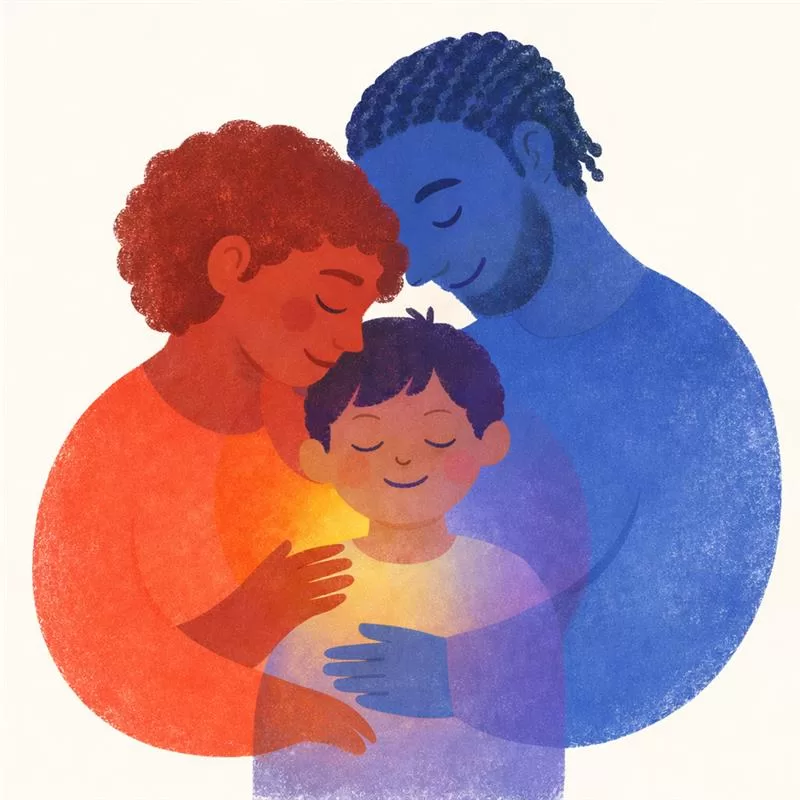

When Strength Means Staying Silent
Many people grow up hearing that strength means handling problems quietly, staying resilient under pressure, and not burdening others with emotional struggles. In immigrant families especially, these messages are often shaped by real experiences involving sacrifice, survival, instability, financial hardship, discrimination, or migration-related stress. Because of this, asking for help can feel emotionally complicated.
Strength and Survival Are Often Deeply Connected
Many immigrant families have histories shaped by survival and adaptation. Parents and caregivers may not have had access to therapy, emotional support, or spaces to openly process stress. Instead, they focused on working, caregiving, and creating stability. As a result, many children grow up learning messages such as: “Keep going no matter what.” “Don’t complain.” “Handle your responsibilities.” “Family problems stay within the family.” These messages are rooted in protection and survival rather than lack of love — but they can unintentionally make emotional vulnerability feel unsafe or shameful.
Why Hyper-Independence Develops
Some individuals respond to emotional stress by becoming extremely self-reliant. They avoid asking for help because depending on others feels emotionally risky, unfamiliar, or burdensome. A person may insist on handling everything alone even when overwhelmed. Others struggle to express emotional needs because they learned early that vulnerability was not consistently supported or prioritized. Hyper-independence is often misunderstood as confidence alone — in reality, it can reflect long-standing emotional survival strategies.
Mental Health Stigma Can Increase Isolation
In some communities, therapy and mental health conversations are still heavily stigmatized. Emotional struggles may be viewed as personal weakness, family failure, or something people should push through privately. Many individuals keep their stress hidden for years. Some worry family members will not understand why they want therapy. Others fear being judged or misunderstood. These concerns are valid — but stigma can prevent people from seeking support even when they are emotionally overwhelmed.
Asking for Help Does Not Mean You Are Weak
Emotional support is a normal human need, not evidence of weakness. People seek therapy for many different reasons — chronic stress and burnout, anxiety or emotional overwhelm, relationship challenges, family pressure or conflict, difficulty setting boundaries, or simply wanting greater self-understanding. Therapy is not about becoming dependent on someone else. Often, it involves building emotional awareness, healthier coping strategies, and greater self-compassion over time.
How Therapy Can Help
At Trust Therapeutics, therapy is approached with warmth, cultural responsiveness, and respect for the complexity of family, identity, and emotional health. You do not have to carry everything alone. Wanting support does not erase strength. In many cases, asking for help reflects emotional honesty and self-awareness — and that is a form of strength too.