When Trauma Is Connected to Identity
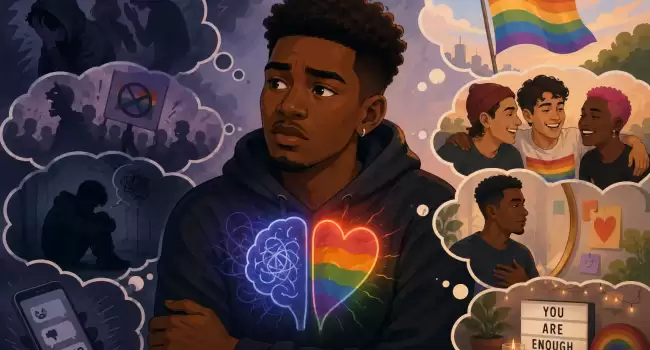
Trauma can affect anyone, but the experiences surrounding trauma are not always the same for every individual or community. For many LGBTQ+ individuals, emotional distress may be connected not only to specific traumatic events, but also to repeated experiences of rejection, discrimination, invalidation, fear, or emotional isolation connected to identity. Many people still carry emotional wounds related to bullying, family rejection, cultural stigma, religious shame, unsafe environments, or years of feeling pressured to hide parts of themselves.
Trauma Is Not Always One Single Event
Many people think trauma only refers to catastrophic experiences, but trauma can also develop through repeated emotional harm over time. For some LGBTQ+ individuals, trauma may involve experiences related to family rejection, bullying, discrimination, harassment, emotional neglect, or environments where authenticity did not feel emotionally safe. Even when these experiences are minimized by others, the emotional impact can still be significant. Constantly monitoring safety, acceptance, or belonging can place tremendous strain on emotional health over time.
The Emotional Impact of Minority Stress
Minority stress refers to the chronic emotional strain that can develop when individuals face stigma, discrimination, fear of rejection, or pressure related to marginalized identities. For many LGBTQ+ individuals, this stress can begin early in life. Over time, chronic stress can contribute to anxiety, depression, hypervigilance, emotional exhaustion, shame, and trauma-related symptoms.
Trauma and Identity Development
Identity development can become especially complicated when someone feels unsafe expressing who they are. LGBTQ+ individuals may spend years trying to balance authenticity with emotional survival, particularly within families, schools, workplaces, cultural systems, or religious environments that feel rejecting or unpredictable. Some individuals become emotionally guarded because vulnerability no longer feels safe. Others struggle with self-criticism, shame, or fear of being fully known by others.
LGBTQ+ Trauma Can Affect Relationships
Trauma can significantly influence how people connect with others emotionally. Some LGBTQ+ individuals may struggle with trust, fear rejection in close relationships, avoid vulnerability, or feel pressure to constantly explain or defend their identity. For many individuals, healing involves not only processing painful experiences but also learning that safe, affirming, and emotionally healthy relationships are possible.
How Therapy Can Help
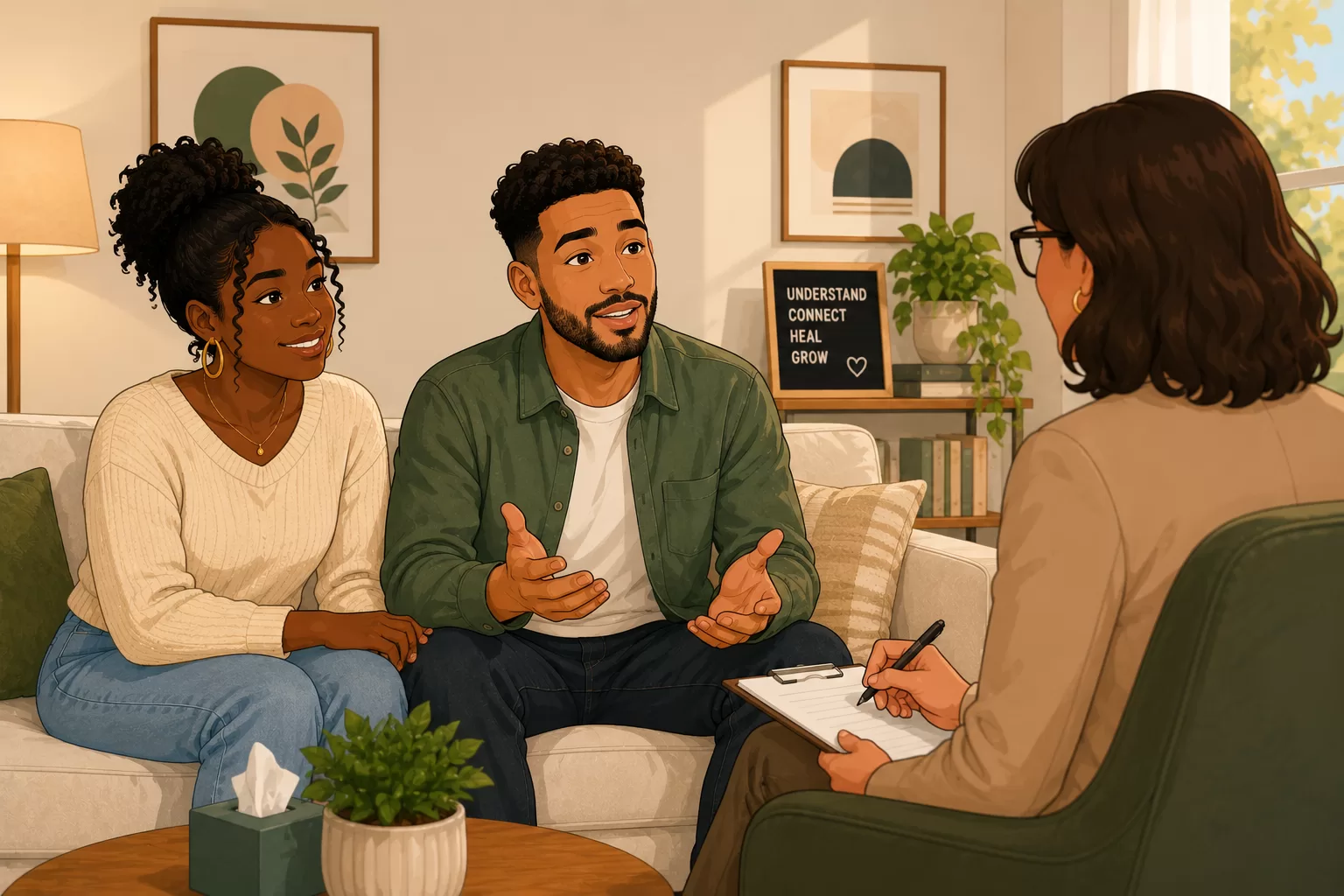
At Trust Therapeutics, therapy may involve helping clients process experiences of rejection or discrimination, improve emotional regulation, strengthen self-understanding, build healthier boundaries, and develop a greater sense of emotional safety and connection. Healing does not require someone to justify their pain or prove that their experiences were “serious enough.” Emotional wounds connected to identity, belonging, and safety are real, and supportive therapy can help individuals process those experiences while building stronger emotional connection, self-understanding, and resilience.