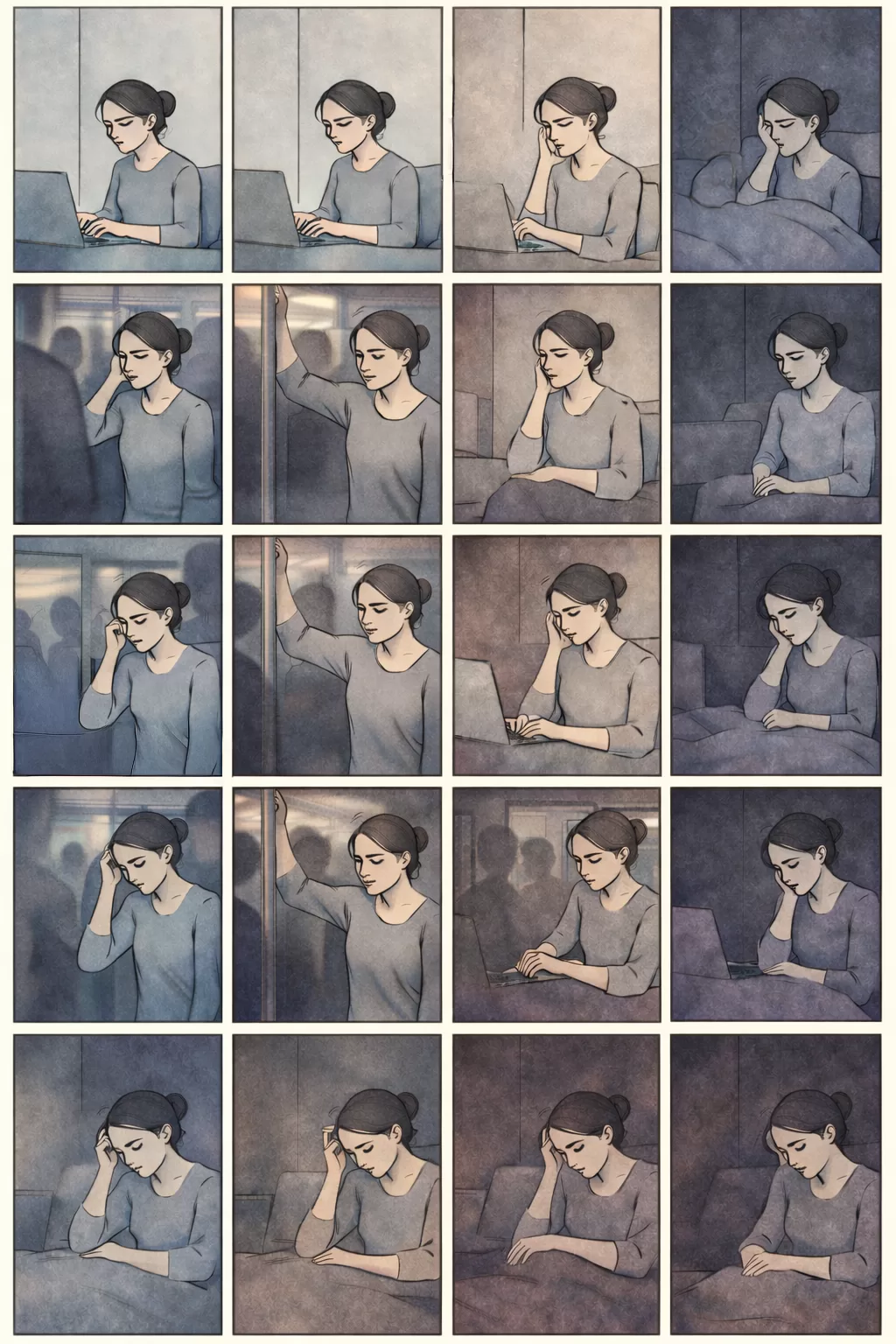

When Hiding Becomes Automatic
Many LGBTQ+ individuals grow up learning that emotional safety is connected to hiding parts of themselves. Sometimes these messages are direct — through rejection, criticism, bullying, or discrimination. Other times, they are more subtle, appearing through silence, discomfort, or repeated experiences of feeling misunderstood or unsafe. Over time, these experiences can shape emotional health, identity development, relationships, and nervous system responses in ways that are not always immediately recognized as trauma.
Learning to Stay Emotionally Hidden
Avery, a 29-year-old client, began therapy because of chronic anxiety, emotional exhaustion, and difficulties in relationships. They described feeling emotionally guarded around others and constantly worried about being misunderstood or rejected. Although Avery had supportive friendships as an adult, they explained that vulnerability still felt emotionally unsafe. During early sessions, Avery repeatedly minimized their experiences by saying, “Other people had it much worse” or “Nothing dramatic really happened.” As therapy progressed, they began discussing growing up in an environment where expressing their identity never felt emotionally safe.
The Emotional Impact of Constant Self-Monitoring
Avery described always feeling emotionally alert around family members, teachers, and peers. Even subtle comments about gender roles, sexuality, or identity created fear and tension because they reinforced the belief that authenticity could lead to rejection. As an adult, Avery continued carrying this hypervigilance into relationships and social interactions. Externally, they appeared successful, thoughtful, and emotionally composed. Internally, they felt chronically anxious, disconnected, and emotionally exhausted from years of self-protection.
Trauma Does Not Always Come From One Event
One of the most important parts of Avery’s therapy process involved recognizing that trauma does not always result from one catastrophic event. Chronic emotional invalidation, fear, rejection, or pressure to hide parts of oneself can also deeply affect emotional well-being and nervous system functioning. This realization brought both grief and relief. Avery began understanding that many of their struggles with anxiety, emotional guardedness, and self-criticism were not personality flaws — they were adaptations developed in response to emotionally unsafe experiences.
Healing Was Gradual, Not Immediate
Healing did not happen all at once. Some sessions involved grief related to missed experiences, emotional loneliness, and years spent hiding important parts of themselves. Other sessions focused on learning how to tolerate vulnerability and emotional closeness without immediately expecting rejection. Over time, Avery reported feeling more emotionally grounded and less exhausted by social interactions. At Trust Therapeutics, LGBTQ+ affirming therapy may involve helping clients process identity-related stress, strengthen emotional regulation, improve self-understanding, and build healthier emotional boundaries and relationships.