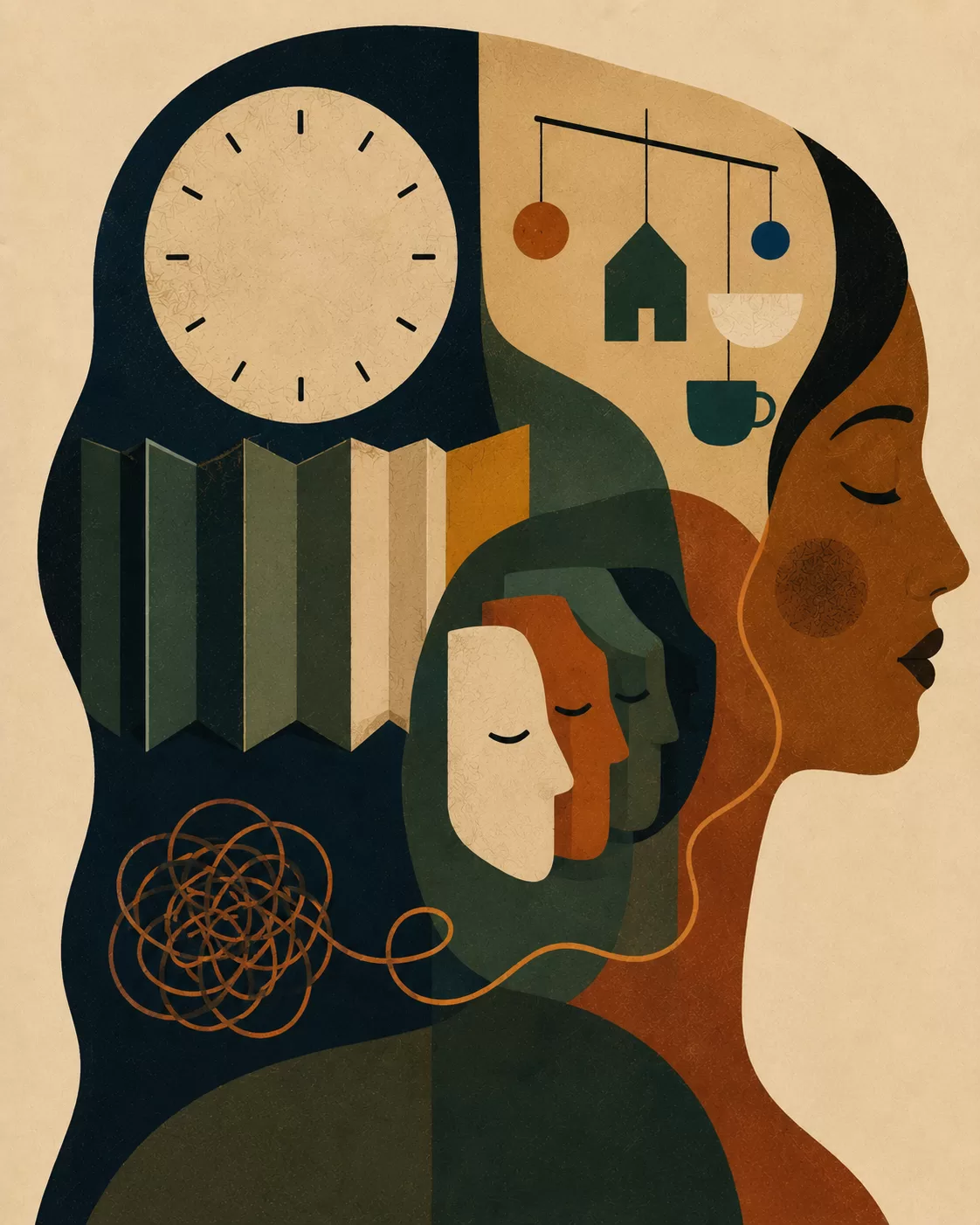

When Life Gets Harder Than Usual
Life can be stressful for everyone. Work demands, financial concerns, family responsibilities, relationship difficulties, and major life transitions can all place pressure on emotional well-being. While these experiences are common, LGBTQ+ individuals may face additional stressors that make challenging times feel even more complicated. Experiences related to identity, belonging, discrimination, family acceptance, or concerns about safety can contribute to emotional strain. Protecting mental health during stressful times involves recognizing personal needs, responding to challenges with self-awareness, and creating conditions that support resilience and recovery.
Understanding the Impact of Chronic Stress
When individuals experience ongoing pressure, the nervous system can remain activated for extended periods. This can affect sleep, concentration, mood, energy levels, and relationships. For LGBTQ+ individuals, chronic stress may sometimes include concerns that others do not regularly consider. Someone may be navigating family rejection while also managing work responsibilities. Another person may be balancing the emotional impact of discrimination alongside financial concerns. These overlapping stressors can accumulate over time, making self-care and emotional support particularly important.
The Importance of Community and Connection
During stressful times, connection often becomes one of the most important protective factors for emotional well-being. Yet stress frequently pushes people toward isolation. For many LGBTQ+ individuals, supportive relationships play a particularly meaningful role. Feeling understood, accepted, and valued can reduce feelings of loneliness and create opportunities for emotional processing and encouragement. Community can take many forms — close friendships, chosen family, support groups, affirming faith communities, or LGBTQ+ social networks.
Practices That Support Mental Health During Stressful Times
- Maintaining supportive social connections
- Setting healthy emotional boundaries
- Prioritizing consistent sleep and rest
- Engaging in meaningful activities and hobbies
- Limiting exposure to unnecessary sources of stress
- Practicing self-compassion during difficult periods
- Seeking professional support when needed
Letting Go of the Pressure to Be Perfect
Many people respond to stress by becoming more demanding of themselves. They expect themselves to remain productive, composed, and capable regardless of what is happening around them. Perfectionism can be particularly challenging because it frequently disguises itself as responsibility or ambition. During difficult periods, self-compassion can be far more helpful than self-judgment. Self-compassion involves recognizing that struggling is part of being human — acknowledging challenges without concluding that personal worth is somehow diminished because life feels difficult.
How Therapy Can Help
At Trust Therapeutics, affirming therapy provides a space to process emotions, strengthen coping skills, improve self-awareness, and explore patterns that may be contributing to distress. For LGBTQ+ individuals, therapy can also offer support in navigating identity-related concerns, relationship dynamics, family issues, workplace stress, and experiences of discrimination. Seeking therapy does not mean someone is failing to cope — it reflects a willingness to invest in emotional well-being and personal growth.