When Stress Stops Being Temporary
Stress is often discussed as a normal part of modern life. While short-term stress can sometimes help people stay motivated and focused, chronic stress is a different experience entirely. When stress persists for weeks, months, or even years without adequate recovery, it can begin to affect both mental and physical health in significant ways. Many people become so accustomed to feeling stressed that they assume it is simply part of life — continuing to meet responsibilities and care for others while ignoring signs of emotional and physical exhaustion.
What Is Chronic Stress?
Stress is the body’s natural response to challenges or perceived threats. When a stressful situation occurs, the nervous system releases hormones such as cortisol and adrenaline that prepare the body to respond quickly. In short bursts, this response can be helpful. Problems arise when the stress response remains activated for extended periods. Chronic stress occurs when individuals face ongoing demands without sufficient opportunities for recovery — living in a near-continuous state of tension, worry, or emotional overload.
The Impact on Mental Health
One of the most noticeable effects of chronic stress is its impact on emotional health. Individuals experiencing prolonged stress often report feeling overwhelmed, irritable, anxious, or emotionally exhausted. Anxiety is one of the most common consequences — when the nervous system remains on high alert, individuals may find themselves constantly anticipating problems or feeling unable to relax. Chronic stress can also contribute to symptoms of depression including feelings of hopelessness, decreased motivation, and loss of interest in activities that once felt enjoyable.
How Stress Affects the Body
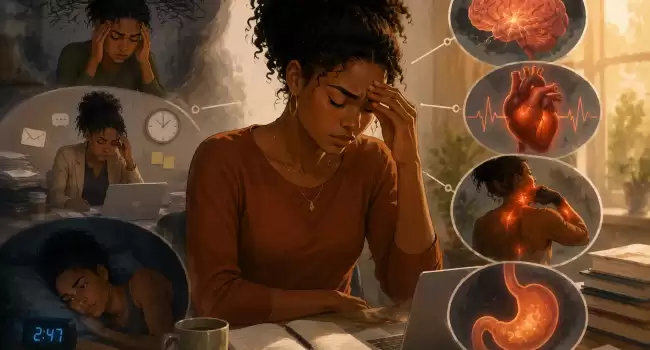
Mental and physical health are deeply connected. When stress becomes chronic, the body often begins to show signs of strain — headaches, muscle tension, digestive issues, fatigue, or changes in appetite. Sleep disturbances are particularly common. Racing thoughts and heightened nervous system activation can make it difficult to fall asleep or stay asleep, which then intensifies stress and creates a cycle that becomes increasingly difficult to break. These physical symptoms are real responses to prolonged stress and deserve attention and care.
Common Signs That Stress May Be Becoming Chronic
- Feeling tired even after resting
- Difficulty concentrating or making decisions
- Increased irritability or emotional sensitivity
- Frequent headaches or muscle tension
- Changes in sleep patterns
- Feeling overwhelmed by everyday responsibilities
- Increased anxiety or persistent worry
When Professional Support May Help
There are times when stress becomes difficult to manage alone. When coping strategies no longer feel effective or stress begins to interfere with work, relationships, or daily functioning, professional support can be valuable. Therapy provides a space to explore sources of stress, identify patterns that contribute to emotional exhaustion, and develop healthier coping strategies. At Trust Therapeutics, we help individuals manage stress, anxiety, burnout, life transitions, and other mental health concerns through compassionate, personalized care.