








When Rest Doesn’t Seem to Help
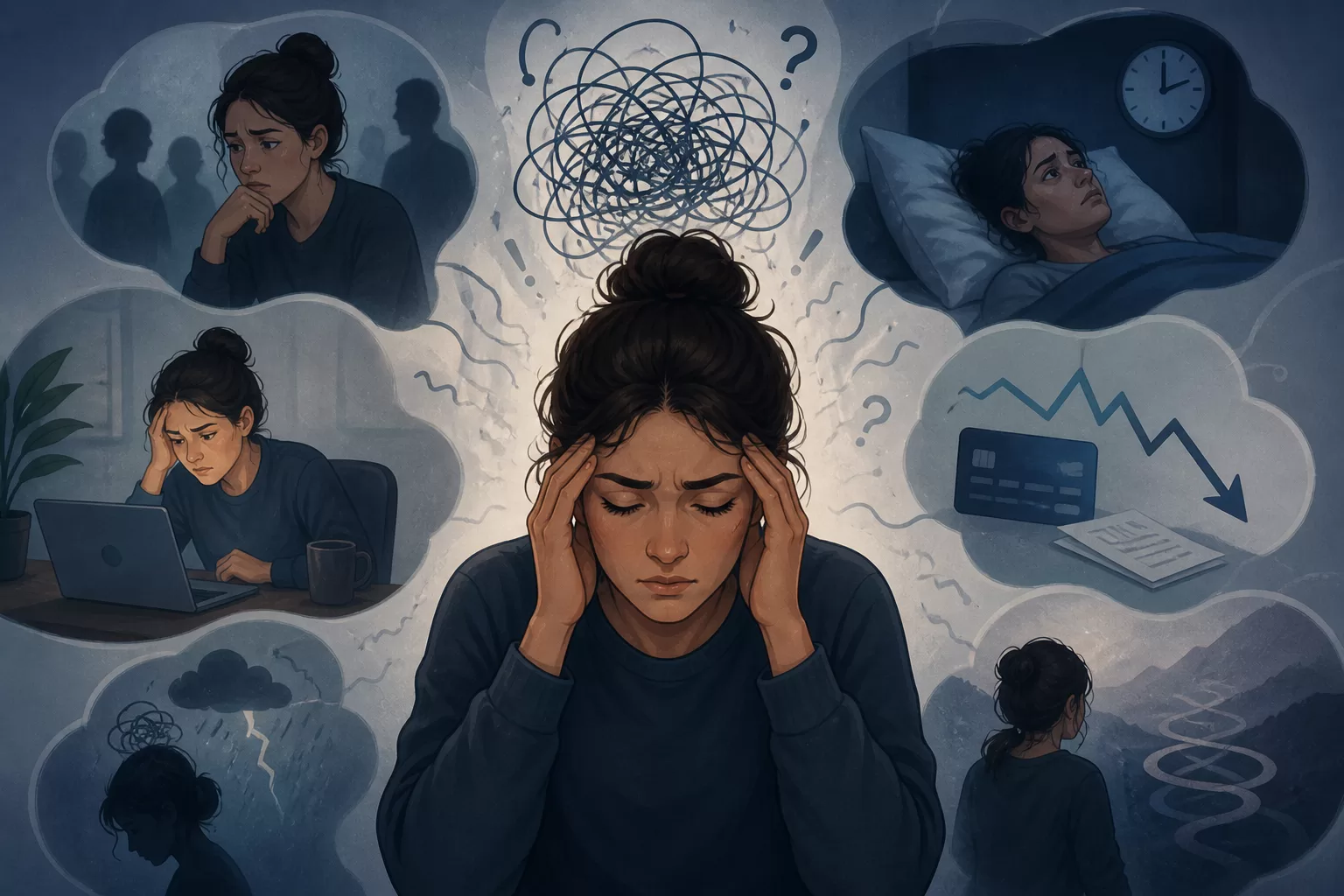
Most people expect to feel tired after a long day or a stressful week. Emotional exhaustion, however, can be more difficult to recognize. Unlike ordinary tiredness, emotional exhaustion often persists even after rest. A person may get enough sleep, take time off, or complete a major project and still feel drained, overwhelmed, or disconnected. In today’s fast-paced world, emotional exhaustion has become increasingly common — many individuals spend years balancing work, family obligations, financial pressures, and caregiving roles without realizing how much emotional energy they are expending.
What Emotional Exhaustion Actually Is
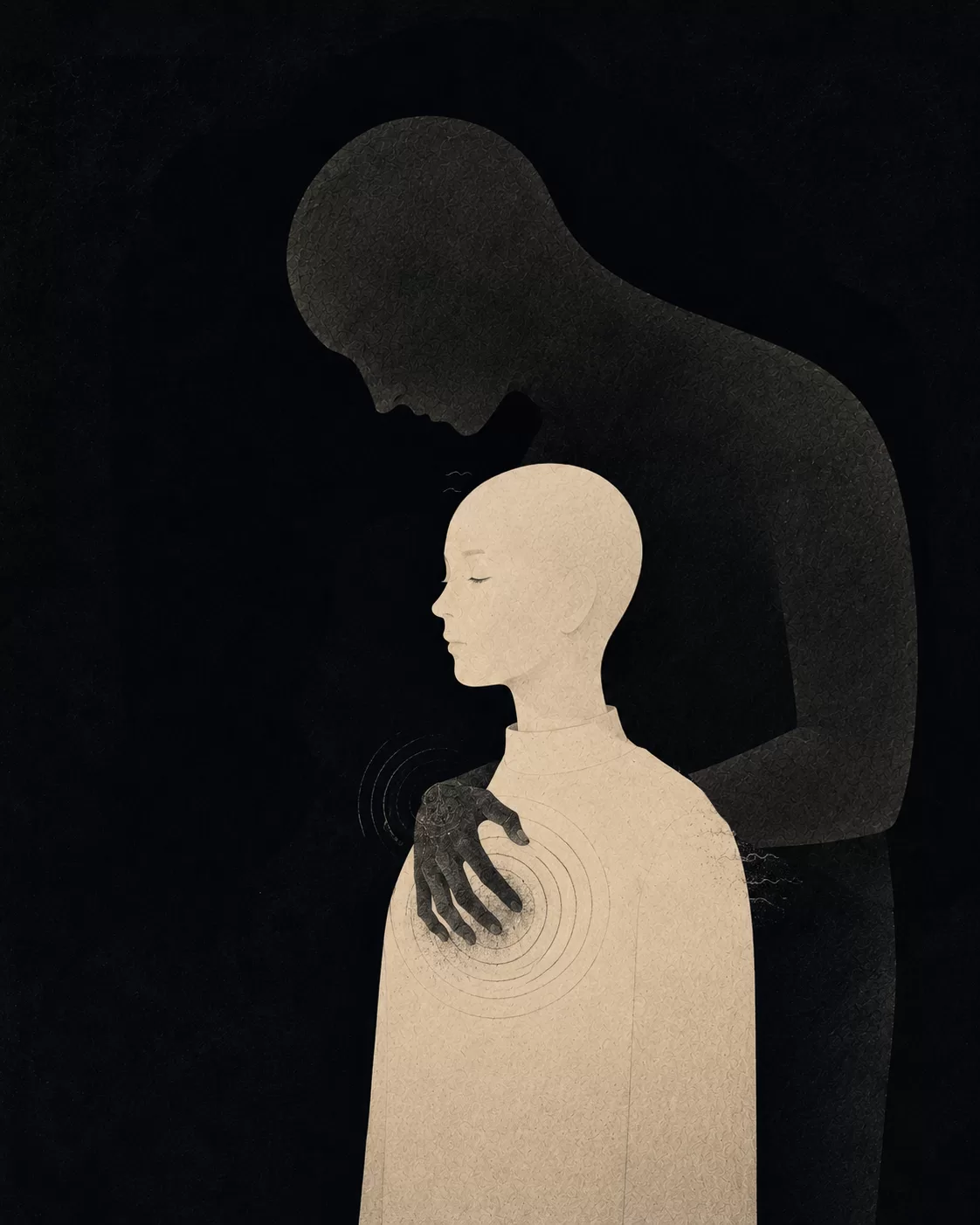
Emotional exhaustion occurs when a person feels emotionally drained and unable to meet ongoing demands in the way they once could. It is often associated with chronic stress, burnout, caregiving responsibilities, trauma, or prolonged periods of emotional strain. Unlike temporary stress, emotional exhaustion affects a person’s ability to recharge. Individuals may find that activities which once helped them feel better no longer provide the same relief. They may feel emotionally “empty,” detached, or constantly overwhelmed even when life appears manageable from the outside.
Common Signs of Emotional Exhaustion
- Feeling drained most days, regardless of how much rest is received
- Difficulty concentrating or making decisions
- Increased irritability or frustration
- Feeling detached from relationships or activities
- Loss of motivation
- Frequent feelings of overwhelm
- Difficulty experiencing joy or excitement
- Physical symptoms such as headaches, fatigue, or muscle tension
What Emotional Exhaustion May Be Trying to Tell You
Emotional exhaustion often carries important messages that deserve attention. Sometimes it is a sign that a person’s responsibilities have exceeded their capacity for too long — caring for everyone else while neglecting their own needs, or having become accustomed to saying yes to every request. For others, it may signal unresolved emotional experiences. Grief, trauma, chronic stress, or ongoing anxiety can require substantial emotional energy even when not actively being processed. Rather than asking “How do I stop feeling exhausted?” it can be more helpful to ask “What is this exhaustion trying to tell me?”
Why Rest Alone May Not Be Enough
When people feel emotionally depleted, their first instinct is often to rest. While rest is important, emotional exhaustion is not always resolved by sleep or taking a few days off. Many individuals return from vacations feeling only temporarily refreshed before exhaustion quickly returns. This occurs because emotional exhaustion is often connected to deeper patterns rather than temporary fatigue. A person who consistently neglects boundaries may continue feeling exhausted regardless of how much time off they take.
When Professional Support Can Help
There are times when emotional exhaustion becomes difficult to manage independently. Individuals may find themselves feeling stuck or unable to identify the underlying causes of their exhaustion. A therapist can help explore the factors contributing to emotional exhaustion while developing healthier coping strategies — identifying stressors, addressing unresolved emotional experiences, improving boundaries, and building more sustainable daily habits. At Trust Therapeutics, our clinicians support individuals experiencing burnout, chronic stress, anxiety, depression, and emotional exhaustion with compassionate, personalized care.