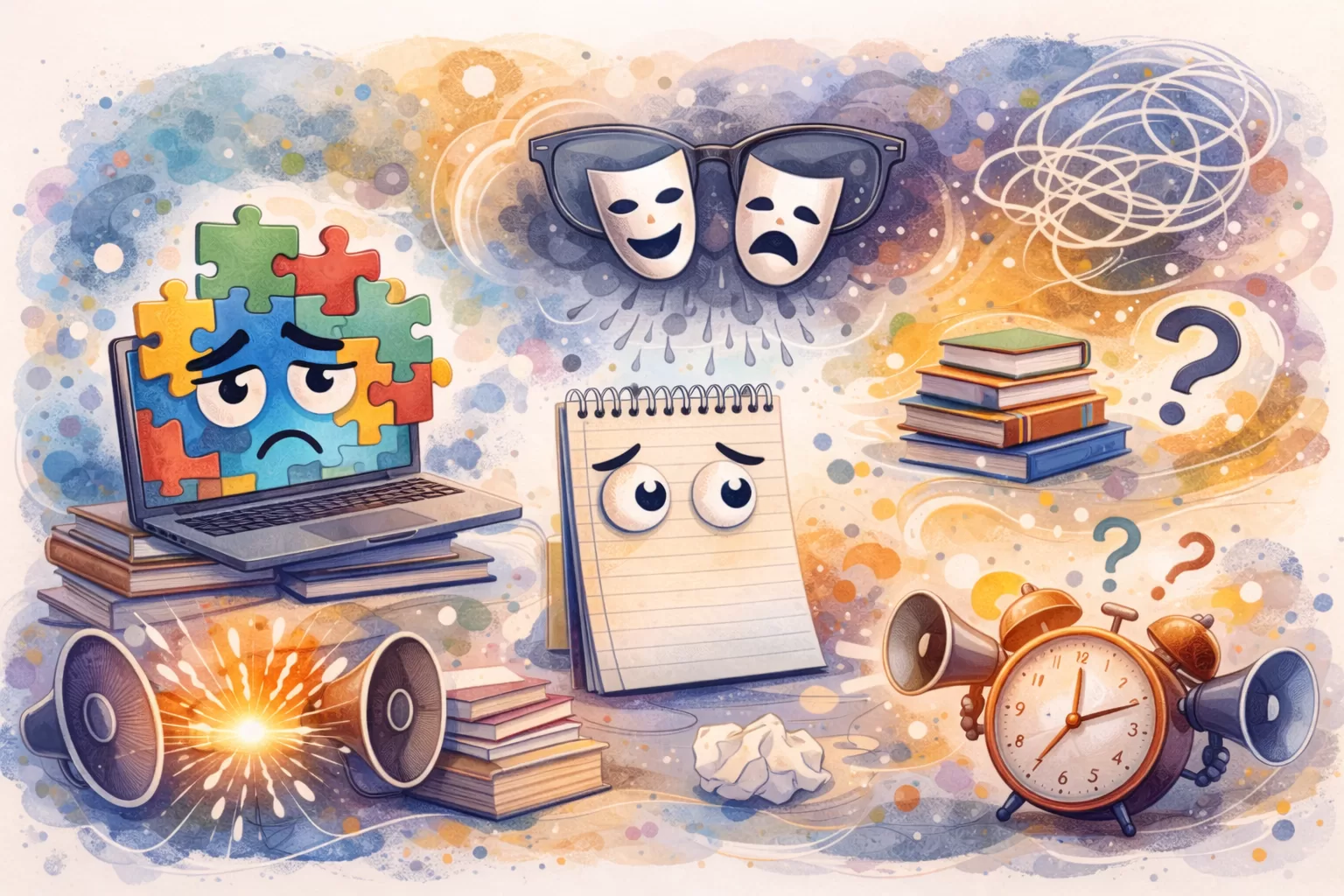









What Chronic Stress Does to the Brain
Acute stress — the kind that comes from a specific threat or challenge — is something the brain and body are designed to handle. It triggers a response, you manage the situation, and the system returns to baseline. Chronic stress is different. When the stress response stays activated over time, it begins to affect how the brain functions. Memory, concentration, decision-making, and emotional regulation can all be impaired by prolonged stress exposure.
How Stress Affects the Body
Chronic stress does not stay in the mind — it moves into the body. The stress response involves the release of hormones like cortisol and adrenaline, which prepare the body for action. When this response is sustained, it can contribute to physical symptoms including persistent tension and muscle pain, disrupted sleep, changes in appetite and digestion, weakened immune function, and cardiovascular strain over time.
The Connection Between Stress, Mood, and Mental Health
Chronic stress is closely associated with the development and maintenance of anxiety and depression. It can also make existing mental health challenges harder to manage. The relationship is bidirectional — stress worsens mental health, and poor mental health makes stress harder to regulate.
What This Means for Recovery
Understanding the impact of chronic stress on the brain and body helps explain why willpower alone is often not enough. Recovery from chronic stress is not just about thinking differently — it also requires physical recovery, nervous system regulation, and often professional support.
How Therapy Can Help
At Trust Therapeutics, therapy for chronic stress addresses both the psychological and physiological dimensions of the experience. This includes understanding your specific stress patterns, developing regulation strategies, and addressing the underlying factors that are keeping the system activated.