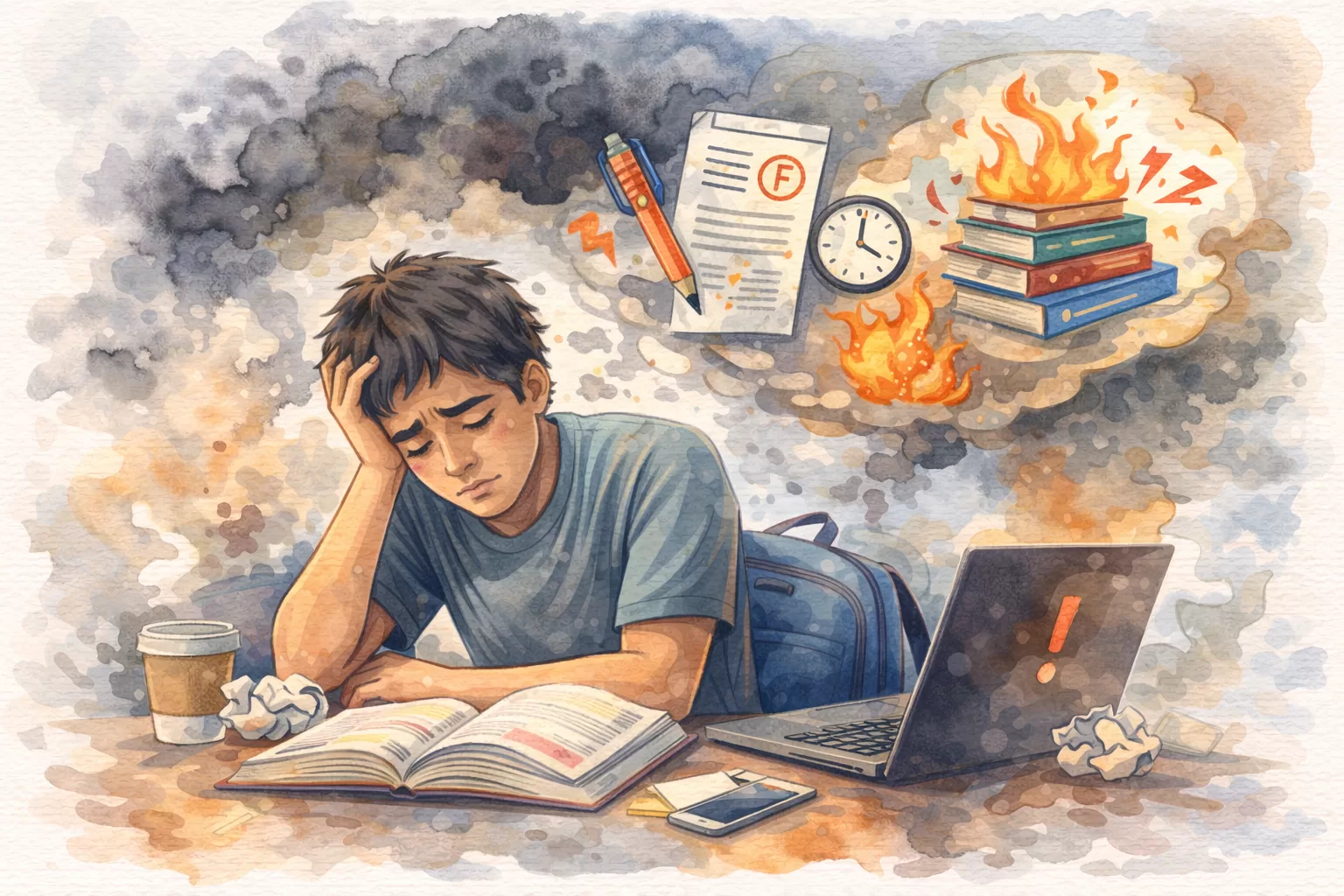









What Mental Exhaustion Actually Is
Mental exhaustion is different from physical tiredness. You can sleep for eight hours and still wake up feeling depleted. You can have a day with no major events and still feel like you have been running a marathon. Mental exhaustion is the result of sustained cognitive and emotional effort — and it often builds without being recognized until it becomes significant.
Common Contributors to Mental Exhaustion
Some of the most common contributors include:
- Chronic stress that does not fully resolve
- Emotional labor — supporting others while managing your own internal world
- Decision fatigue from constant small choices throughout the day
- Sensory or social overload
- The effort of masking or performing in environments that do not feel natural
Common Signs of Mental Exhaustion
- Difficulty concentrating or remembering things
- Feeling irritable or emotionally flat
- Losing motivation for things that usually matter
- Needing significantly more effort to complete familiar tasks
- Feeling like rest is not helping
What Helps Reduce Mental Exhaustion
Some helpful approaches include reducing input by creating genuine quiet time without stimulation, addressing the source of stress rather than only managing symptoms, building in regular recovery rather than waiting until exhausted, and prioritizing sleep as a non-negotiable rather than an afterthought.
How Therapy Can Help
At Trust Therapeutics, therapy can help you identify what is contributing most to your mental exhaustion and develop a more sustainable way of functioning. You are not just “bad at handling stress” — you are managing more than your system can sustain without support.