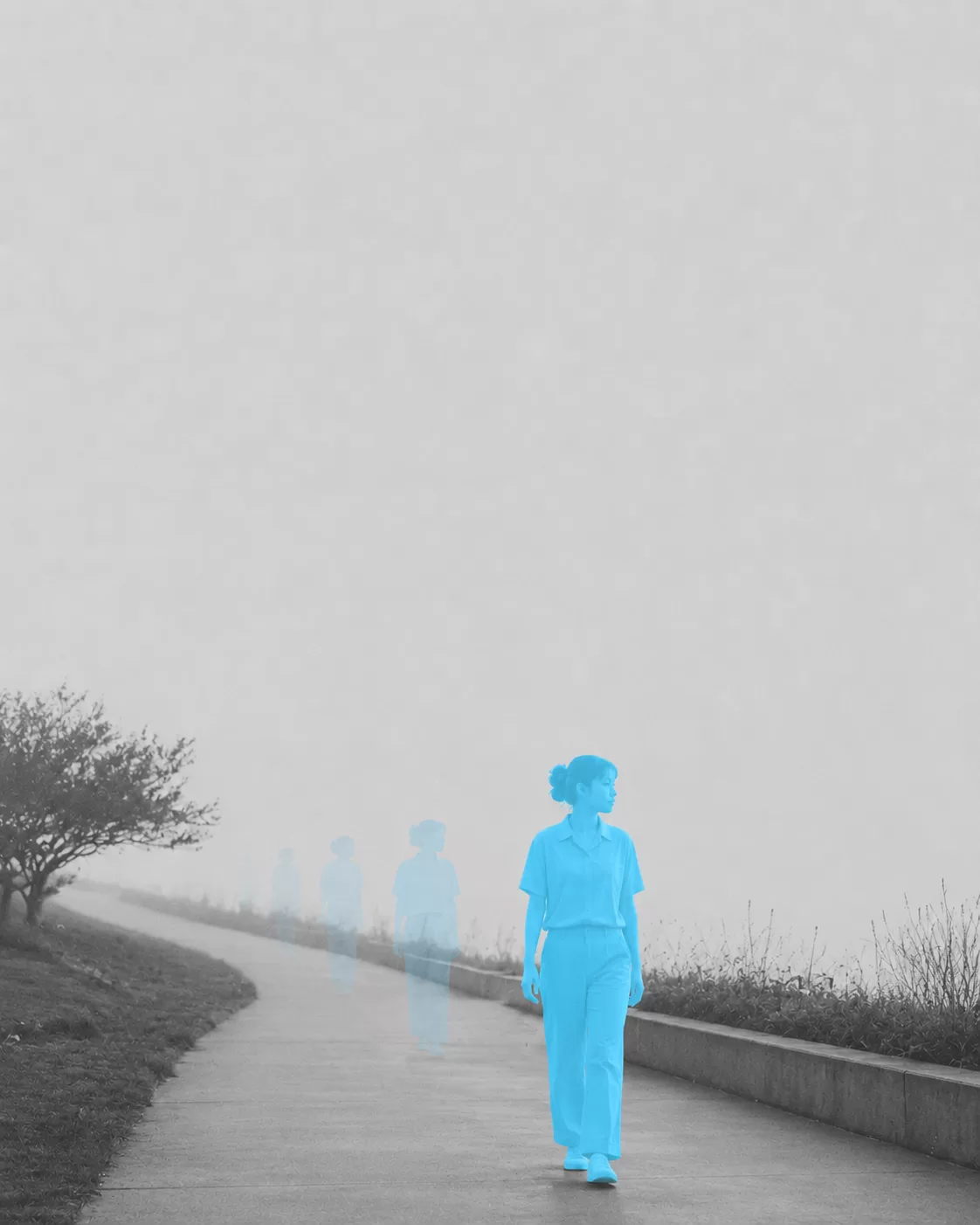

Autism doesn’t present the same way in every student, which is part of why it’s sometimes missed or misunderstood in a college setting. Presentation can vary significantly based on individual traits, gender, cultural background, and how much a student has learned to mask.
Why Presentation Varies So Much
Two autistic students can look very different from one another — one might be highly verbal and social in structured settings, another may need more solitary recovery time. There’s no single template that captures the full range of autistic experience.
Understanding Masking
Masking refers to consciously or unconsciously suppressing natural traits to appear more neurotypical — mimicking eye contact, rehearsing scripts for conversation, or suppressing self-regulating behaviors. It can make autism harder to recognize from the outside, including sometimes by the student themselves.
Why Masking Is More Common in Some Groups
Some populations, including many women and gender-diverse students, are more likely to have learned extensive masking, which is part of why autism is sometimes diagnosed later or missed altogether in these groups.
Academic Presentation
This can include strong performance in areas of deep interest alongside disproportionate difficulty with more open-ended or socially embedded academic tasks, like group projects or unstructured discussion sections.
The Cost of Sustained Masking
Maintaining a mask over an extended period — a full semester, for example — can be exhausting and is associated with burnout, anxiety, and a sense of disconnection from one’s authentic self.
When to Consider Support or Evaluation
If these patterns are familiar and starting to affect wellbeing, a conversation with a campus counselor or an outside evaluation can help clarify what’s going on and what support might actually help.
Get support understanding your own patterns, whether or not a formal diagnosis is the next step.