
Emotional wellness isn’t a place you eventually arrive at and stay. It’s an ongoing practice — closer to physical fitness than to a diagnosis you either have or don’t. That means there’s no finish line where the work is done, and no permanent state of “fixed” to expect. What changes over time isn’t whether you need to tend to it, but how.
What Emotional Wellness Actually Means
Emotional wellness is the capacity to notice, understand, and respond to your emotional experience in a way that supports your functioning and relationships. It doesn’t mean feeling good all the time — it means having a workable relationship with however you’re actually feeling.
Why Needs Change Across Life Stages
What supports emotional wellness in your 20s — flexibility, exploration, building new routines — often looks different from what supports it during caregiving years, a health change, or later in life. Health, environment, past experiences, and access to support all shape what a given season of life actually requires, which is part of why a single fixed routine rarely works forever.
Five Practices That Support Ongoing Wellness
Regularly checking in with how you’re actually feeling, rather than assuming everything is fine by default.
Maintaining at least one relationship where you can be honest about how things are going.
Building in recovery time before you’re depleted, not just after.
Staying flexible about what “self-care” looks like as your circumstances change.
Revisiting your support system periodically, rather than assuming it will always look the same.
How to Notice Early Changes
A simple monthly self-check can help: has your sleep, mood, energy, or interest in things shifted noticeably over the past few weeks? Small, early changes are often easier to address than ones that have been building for months.
When Self-Care Is Not Enough
Individual habits can only carry so much. If changes are persistent, significant, or tied to circumstances beyond your control — health, trauma, access, loss — that’s a reasonable point to bring in additional support rather than expecting a personal routine to resolve it alone.
How Therapy Can Support Maintenance
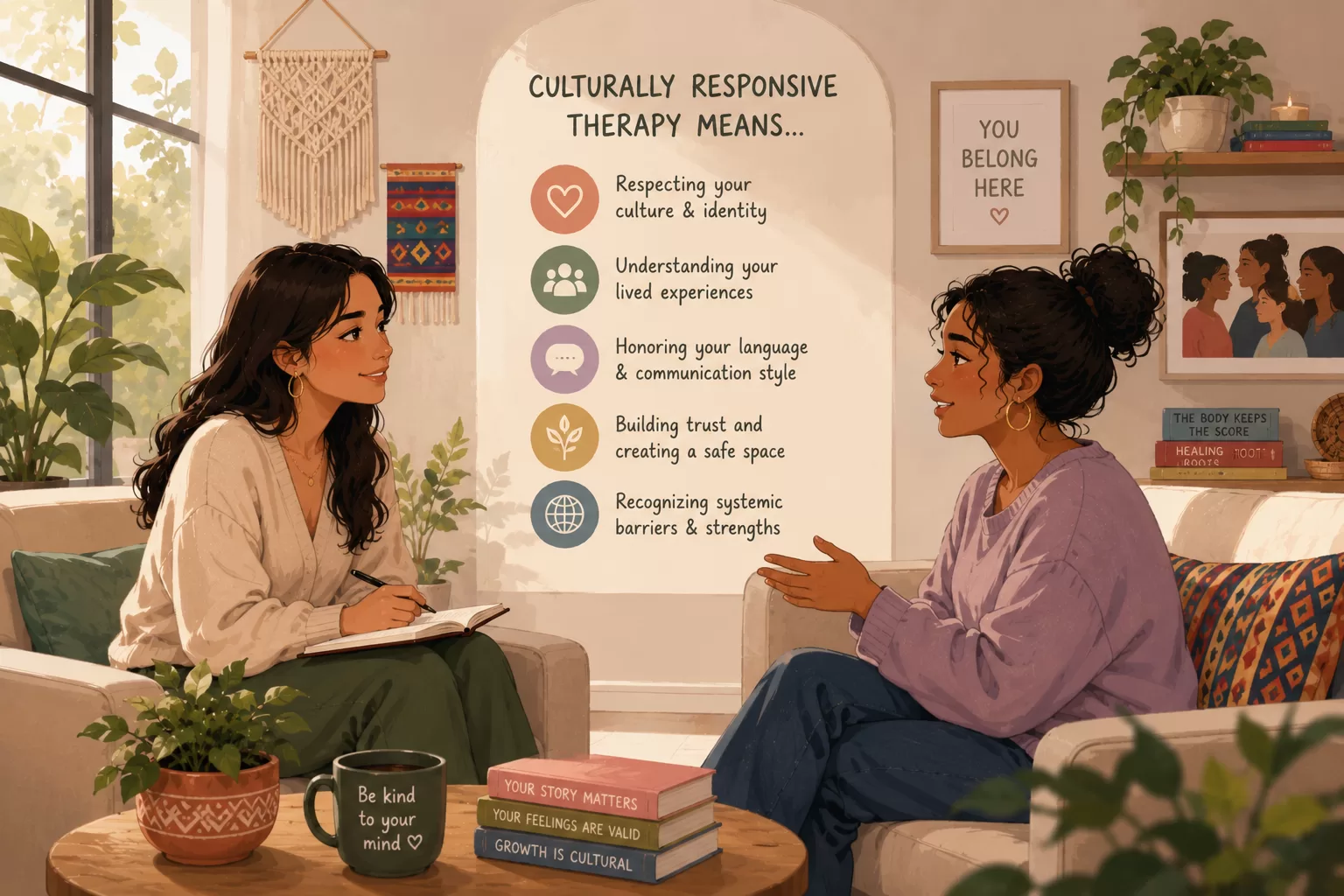
Therapy isn’t only for acute crises. Many people use it periodically as a maintenance practice — a space to process what’s changed, adjust their approach, and catch shifts early, similar to how ongoing checkups support physical health.
Explore support for strengthening emotional well-being and deciding what kind of care fits.