







Creativity Belongs to Everyone
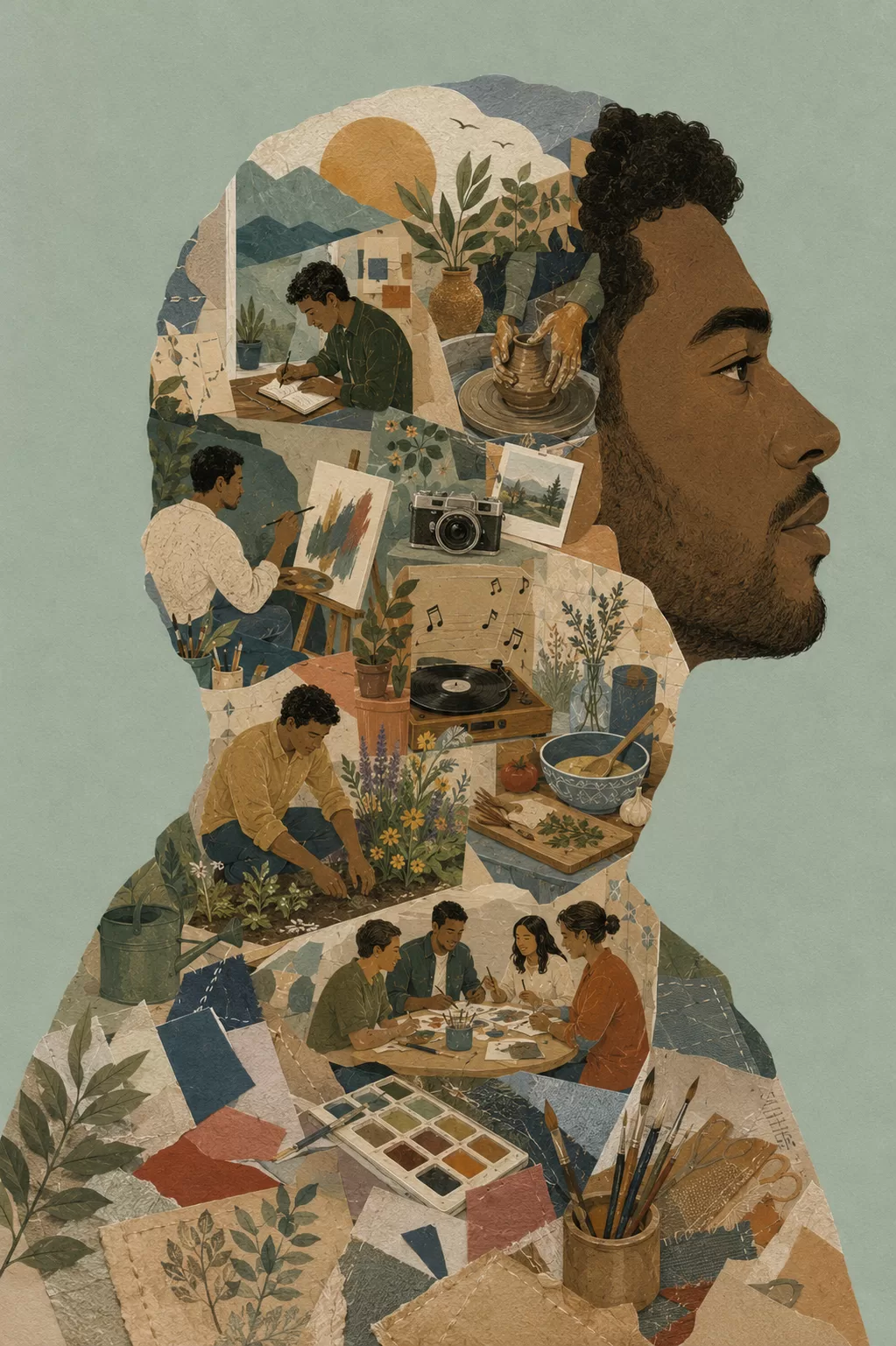
Many people associate creativity with artists, musicians, writers, or performers with exceptional talent. In reality, creativity is much broader than producing a masterpiece. It includes everyday activities that allow people to express themselves, solve problems, explore emotions, and engage with the world in meaningful ways — whether through gardening, cooking, photography, painting, dancing, woodworking, or journaling. In recent years, mental health professionals have increasingly recognized the connection between creativity and mental health.
Creativity Is About Expression, Not Perfection
One of the biggest misconceptions about creativity is that it requires artistic talent. Many adults stop engaging in creative activities because they compare their work to professionals or believe they are not creative enough. True creativity has very little to do with perfection. It involves experimenting, imagining, building, and exploring ideas without needing everything to turn out exactly right. Removing the pressure to perform allows creativity to become a source of relaxation rather than another standard to meet.
Why Creativity Supports Emotional Wellness
Creative activities engage different parts of the brain than many daily responsibilities. Instead of constantly solving problems or responding to demands, creative expression encourages flexibility, imagination, and presence. Many people notice they lose track of time while immersed in creative activity because their attention shifts away from worry and toward the present moment. Creativity also provides opportunities to process emotions indirectly — someone experiencing grief may find comfort in photography, while a person managing anxiety may enjoy pottery because the repetitive movements feel calming.
Creativity Encourages Mindfulness
Many creative activities naturally encourage mindfulness. Painting requires noticing colors and movement. Gardening involves observing textures, seasons, and growth. Cooking invites attention to taste, smell, and rhythm. During these moments, the brain often receives a break from constant future planning or reviewing past mistakes. Instead of becoming trapped in cycles of worry, individuals become absorbed in what they are creating. Over time, these experiences help reduce mental overload while promoting emotional regulation and relaxation.
Making Creativity Part of Daily Life
Creative expression does not require expensive supplies or large amounts of free time. Small moments throughout the week often provide meaningful opportunities — keeping a journal, trying a new recipe, listening to music while sketching, or taking photographs during walks. The goal is not to become an expert. It is to create opportunities for curiosity, enjoyment, and emotional restoration. Creativity should never feel like another obligation — it serves as a reminder that healing can happen through exploration and self-expression.
How Therapy Can Help
At Trust Therapeutics, many therapists incorporate creative approaches into treatment because artistic expression sometimes accesses emotions that feel difficult to describe through conversation alone. Even outside of therapy, creativity can become part of a broader mental wellness routine that supports long-term well-being.