




Healing Is Often Relational
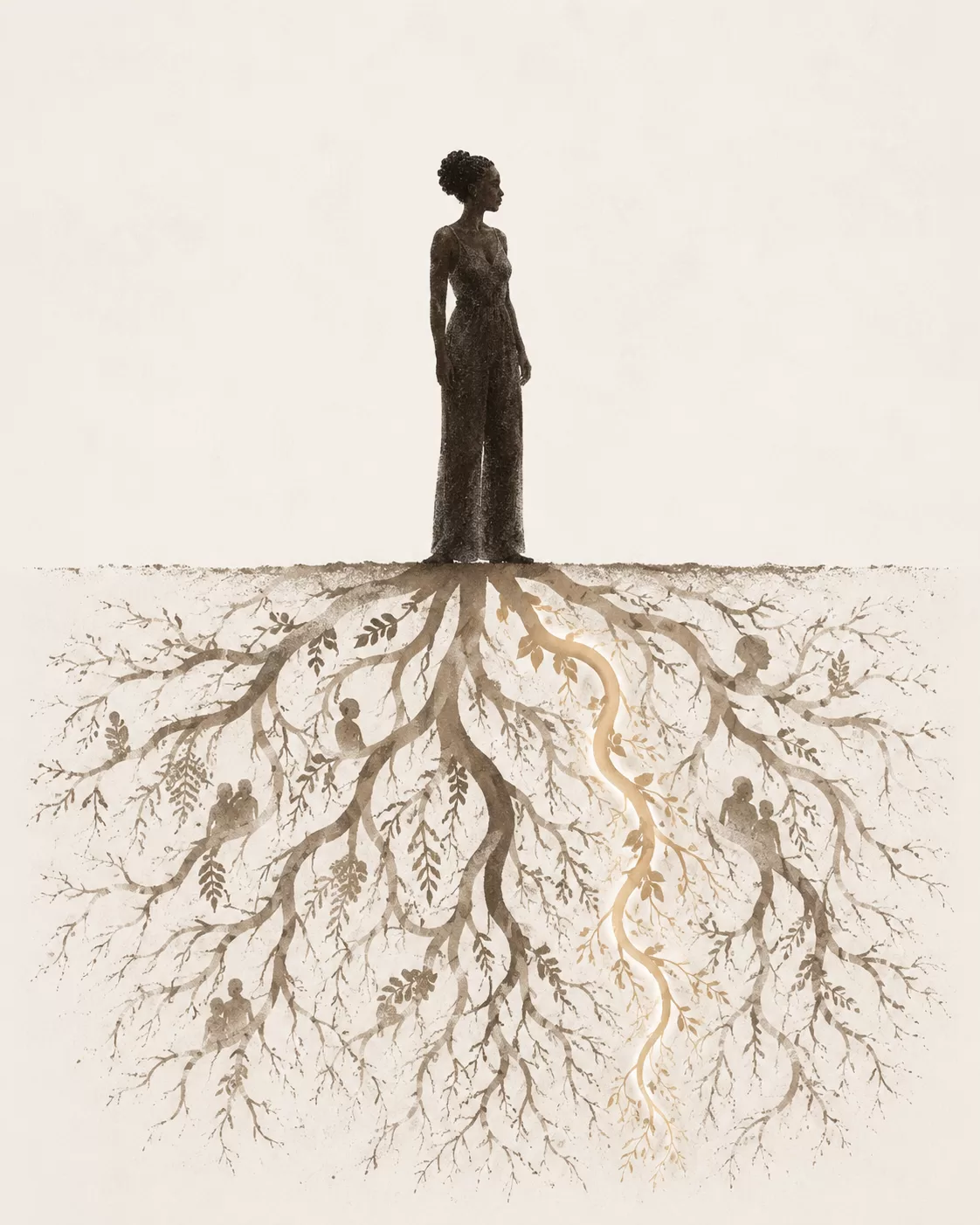
Mental health is often discussed as an individual journey. While personal growth and self-care are certainly valuable, emotional healing frequently happens through connection with others. Whether through family, friendships, faith communities, cultural organizations, or support groups, relationships can provide the safety, understanding, and encouragement that foster resilience. Collective healing recognizes that people do not experience life in isolation.
What Is Collective Healing?
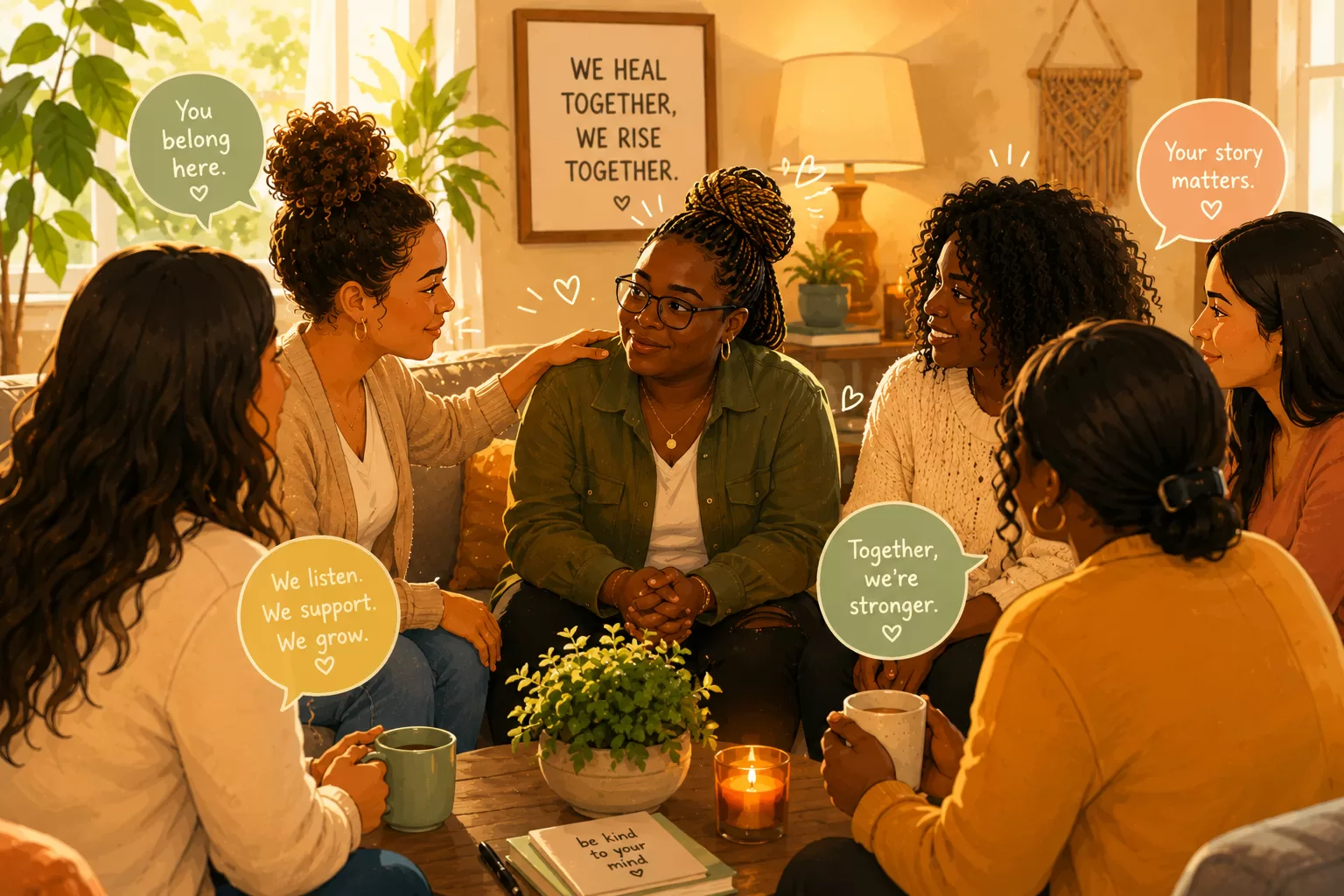
Collective healing refers to the process of individuals and communities supporting one another through emotional challenges while creating environments that promote hope, resilience, and well-being. Rather than focusing exclusively on one person’s recovery, collective healing acknowledges that healthy relationships and community support influence emotional health. Healing together does not require everyone to have experienced the same circumstances — it involves creating spaces where people feel respected, understood, and accepted.
Why Community Supports Mental Health
Feeling connected to others is one of the strongest protective factors for mental health. Research consistently shows that supportive relationships are associated with lower levels of depression, anxiety, loneliness, and chronic stress. People who believe they have someone they can turn to often cope more effectively during difficult periods. Community also provides practical support — friends may offer childcare, neighbors may prepare meals during illness, and support groups may offer coping strategies.
The Role of Culture in Collective Healing
Communities are shaped by culture, and culture often influences how people seek support. Some families emphasize collective responsibility, encouraging members to rely on one another during difficult times. Others find strength through faith, storytelling, music, shared meals, or cultural celebrations that reinforce belonging. For immigrant families and multicultural communities, collective healing may involve preserving traditions while adapting to new environments.
Building Community in Everyday Life
Creating meaningful connections often begins with small, consistent actions. Many people discover community through shared interests, volunteer opportunities, cultural organizations, neighborhood events, or wellness activities. Strong communities develop through repeated moments of care rather than extraordinary gestures. When personal coping skills, supportive relationships, and professional resources work together, mental wellness becomes its strongest.
How Therapy Can Help
At Trust Therapeutics, seeking therapy does not mean someone has failed to rely on their community. In many cases, professional support becomes another valuable part of an individual’s support system, helping people strengthen communication, process difficult experiences, and reconnect with the relationships that matter most.