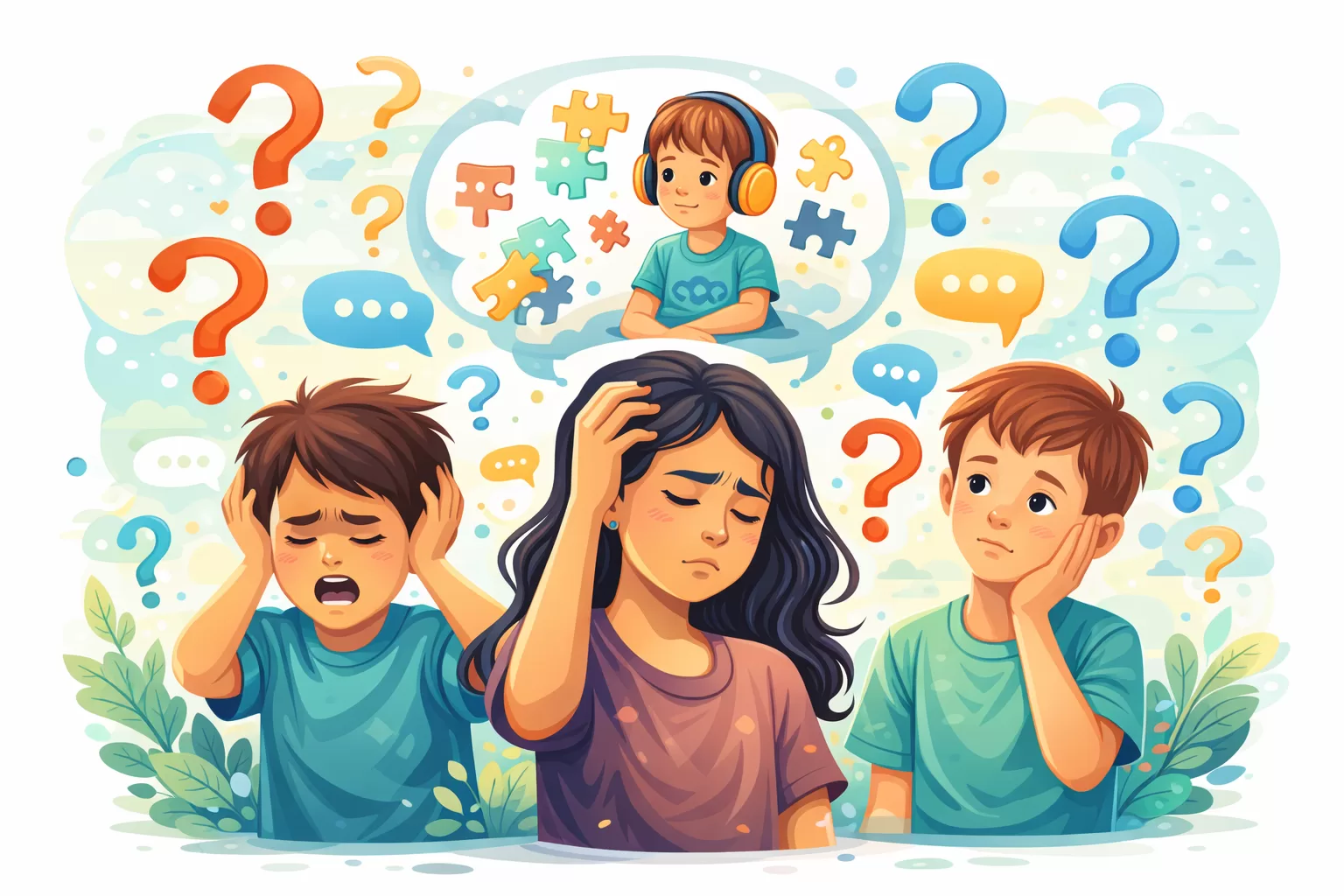









When Stress Becomes the New Normal
Stress is often talked about as something immediate and obvious. But many people experience something quieter and more gradual — stress that builds slowly over time until it begins affecting emotional, mental, and physical well-being in ways they did not initially recognize. Someone may slowly adapt to higher levels of emotional pressure until constant stress starts to feel normal. Over time, they may stop asking whether they are coping well and focus entirely on simply getting through the day.
Stress Does Not Always Feel Dramatic
When stress builds gradually, people may not notice clear warning signs right away. Instead, they experience subtle emotional or physical changes that slowly become part of daily life. Common signs of chronic stress include:
- Feeling mentally “on” all the time
- Increased irritability or frustration
- Emotional numbness or disconnection
- Constant fatigue despite resting
- Difficulty concentrating or making decisions
- Feeling overwhelmed by small tasks
- Trouble relaxing during downtime
Why People Normalize Chronic Stress
Modern life frequently rewards overfunctioning. Many people are praised for staying busy, multitasking, remaining productive, and pushing through exhaustion. Over time, emotional strain becomes normalized. Someone may believe feeling constantly stressed is simply what adulthood, parenting, school, caregiving, or professional success is supposed to feel like. While perspective can be helpful, constantly invalidating emotional stress makes it harder to recognize when support or rest is needed.
The Body Often Notices Stress Before the Mind Does
Many people first notice chronic stress through physical symptoms rather than emotional awareness. Some notice increased headaches, digestive issues, fatigue, muscle tension, appetite changes, or disrupted sleep. Others feel restless, emotionally reactive, or physically drained even after rest. Physical symptoms can have many causes, but emotional strain and physical well-being are often deeply connected.
Why Rest Alone Sometimes Feels Insufficient
When people experiencing chronic stress are told to “just rest,” emotional recovery remains incomplete. Someone may physically stop working while still feeling mentally overstimulated or emotionally preoccupied. Others return from vacations only to re-enter unsustainable routines. Emotional well-being depends on boundaries, emotional processing, support systems, and lifestyle balance — not rest alone.
How Therapy Can Help
Therapy is not only for moments of crisis. Many people seek therapy because they want to better understand how stress is affecting their emotions, relationships, physical well-being, or overall quality of life. At Trust Therapeutics, we help individuals build healthier ways of responding to emotional pressure over time. You do not need to wait until you break down — stress can build quietly, and recognizing that is the first important step.