
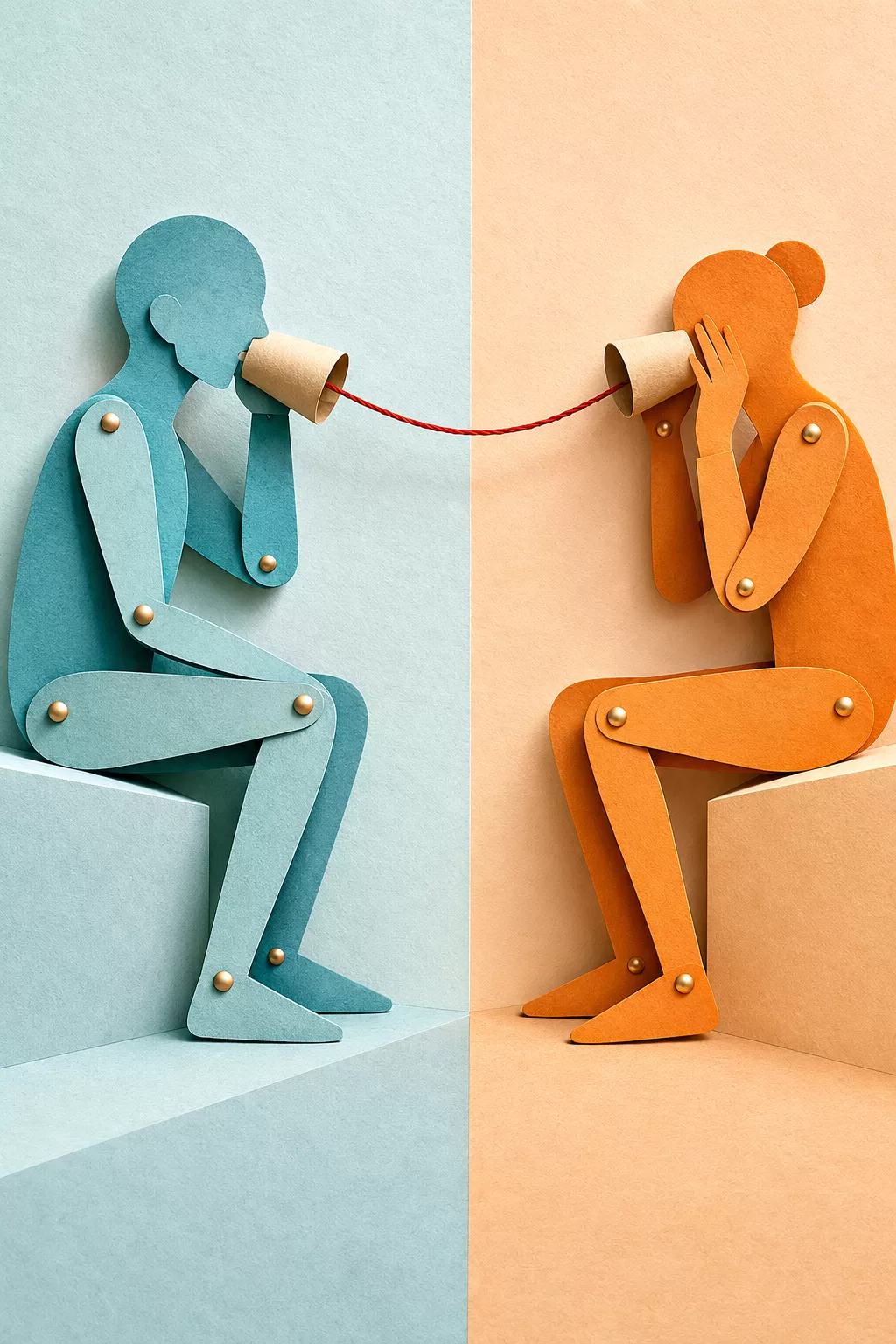








When the Past Shows Up in the Present
Relationships often play a significant role in emotional well-being. They can provide comfort, support, belonging, and connection during life’s challenges. At the same time, relationships can feel especially complicated for individuals who have experienced trauma. Many people find themselves wondering why trust feels difficult, why emotional closeness feels uncomfortable, or why certain relationship patterns continue repeating despite their best efforts to change them.
Trauma can influence how people view themselves, how they interpret the actions of others, and how safe they feel in relationships. Understanding the connection between trauma and relationships can help individuals approach themselves with greater compassion and create opportunities for healing and growth.
Why Trauma Often Impacts Relationships
Trauma is not simply an event that happened in the past. It can affect how the nervous system responds to experiences in the present. When someone has lived through situations that felt unsafe, unpredictable, overwhelming, or emotionally painful, the brain and body often adapt in ways intended to increase protection. These protective responses may continue long after the original threat has passed. As a result, individuals may react to present-day relationships through a lens shaped by past experiences.
The Connection Between Trauma and Trust
Trust is one of the most commonly affected aspects of relationships following trauma. When someone has experienced betrayal, neglect, abandonment, or other forms of relational harm, trusting others may feel risky. Even when a person consciously wants connection, another part of them may remain alert for signs of danger. This can create internal conflict — someone may desire closeness while simultaneously fearing it. They may want support but struggle to accept it.
When Emotional Connection Feels Difficult
Many people associate trauma with intense emotions, but trauma can also create emotional distance. Some individuals respond to difficult experiences by becoming highly guarded, finding it challenging to share feelings, ask for help, or depend on others. Others may feel disconnected from their own emotions altogether. Partners, friends, or family members may interpret emotional withdrawal as lack of interest when the reality is often much more complex.
Signs Trauma May Be Affecting Relationships
- Difficulty trusting others even when they have earned trust
- Fear of vulnerability or emotional closeness
- Frequent worry about rejection or abandonment
- Difficulty setting healthy boundaries
- Emotional withdrawal during conflict
- People-pleasing behaviors that create resentment
- Feeling disconnected from emotions
- Repeating relationship patterns that feel painful or frustrating
How Therapy Can Help
At Trust Therapeutics, therapy provides a supportive environment for exploring the ways trauma may be influencing relationships, trust, and emotional connection. Therapy can help individuals examine recurring patterns, understand emotional triggers, strengthen communication skills, and develop healthier ways of relating to themselves and others. While therapy cannot erase past experiences, it can help individuals develop new perspectives and skills that support meaningful change.