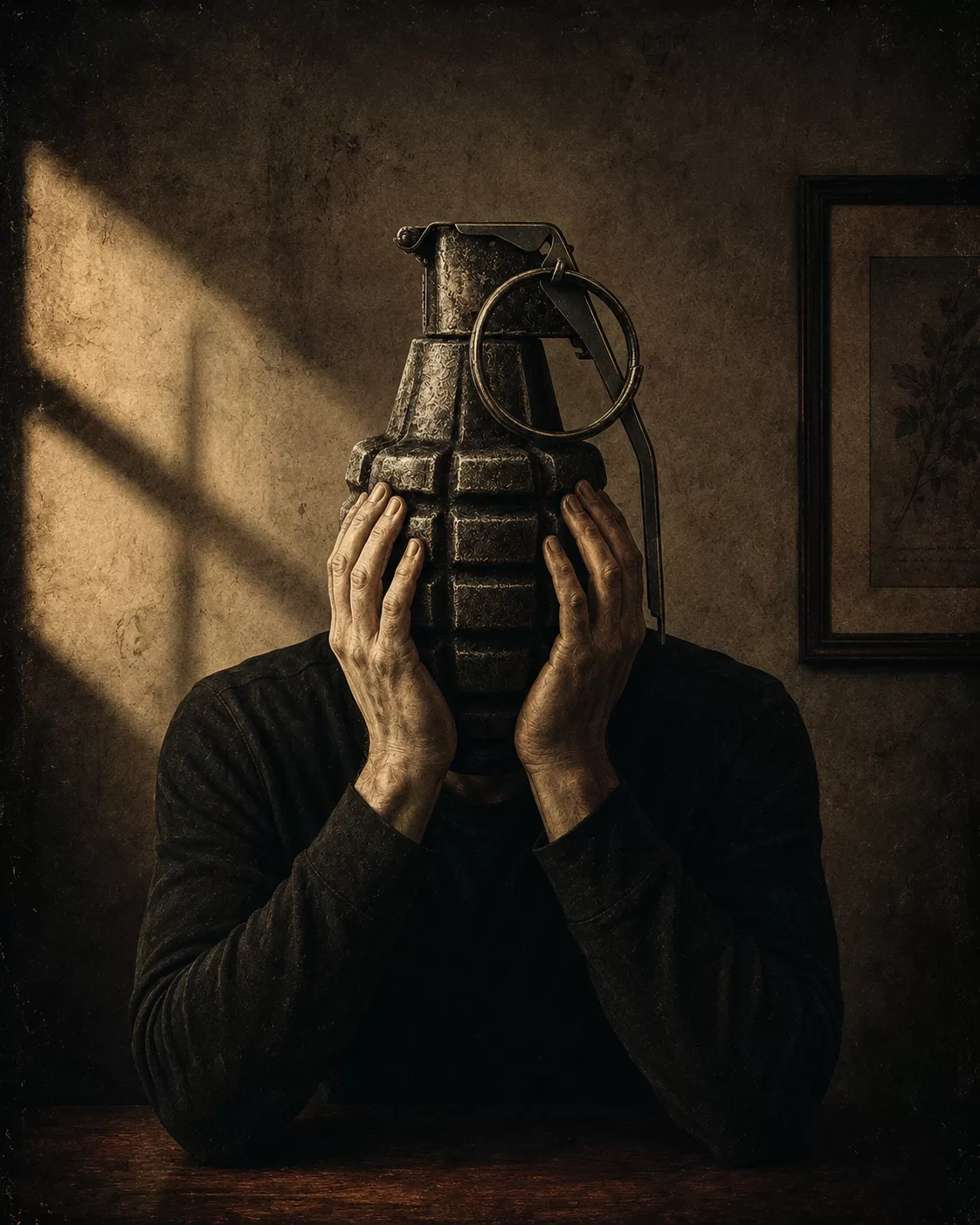

When Trauma Is Invisible
When many people hear the word trauma, they imagine a specific type of experience — combat exposure, physical violence, or other events widely recognized as traumatic. While these experiences can certainly cause trauma-related symptoms, the reality is often more complex. Trauma does not always look the way people expect. Many people spend years managing symptoms without realizing their emotional struggles may be connected to earlier experiences that overwhelmed their ability to cope.
Trauma Is About More Than the Event
One reason trauma can be difficult to recognize is that it is not defined solely by what happened. Trauma is also influenced by how a person experienced an event, how much support was available afterward, and whether the nervous system perceived the situation as threatening or overwhelming. Additionally, trauma is not limited to experiences involving physical danger. Emotional neglect, chronic criticism, bullying, discrimination, medical procedures, family instability, or growing up in an environment where emotions were consistently dismissed can all affect psychological well-being.
When Trauma Shows Up as Perfectionism
Many people do not associate perfectionism with trauma. However, perfectionism can sometimes develop as an adaptive response to unpredictable or emotionally unsafe environments. Individuals who grew up feeling criticized, rejected, or responsible for managing other people’s emotions may learn that mistakes feel dangerous. Over time, achievement becomes linked to safety. Someone may work relentlessly because success feels like protection against criticism or disappointment. While these behaviors can lead to external accomplishments, they often come with significant emotional costs — perfectionism driven by fear rarely creates lasting satisfaction.
The Connection Between Trauma and Relationships
Another hidden sign of trauma involves relationship patterns. People who have experienced difficult or inconsistent relationships earlier in life may struggle with trust, vulnerability, or emotional intimacy as adults. Some individuals become highly independent and avoid relying on others. Others become intensely focused on maintaining relationships and fear abandonment. Trauma can influence how individuals interpret interactions — neutral situations may feel threatening, minor disagreements may trigger intense emotional reactions, and compliments may feel difficult to accept.
Potential Signs of Unresolved Trauma
While trauma affects everyone differently, certain patterns may warrant further exploration:
- Chronic hypervigilance or feeling constantly on edge
- Difficulty trusting others
- Persistent shame or self-criticism
- Emotional numbness or disconnection
- Strong reactions to criticism or conflict
- Perfectionism driven by fear of failure
- Avoidance of certain situations, memories, or emotions
How Trust Therapeutics Can Help
At Trust Therapeutics, therapists provide compassionate, trauma-informed care for individuals experiencing anxiety, relationship challenges, life transitions, emotional overwhelm, and the lingering effects of difficult experiences. Therapy can help clients understand patterns, develop healthier coping strategies, and move toward greater self-awareness and emotional well-being. Recognizing these possibilities does not mean labeling every struggle as trauma — rather, it encourages a more nuanced understanding of how life experiences shape emotional health.