
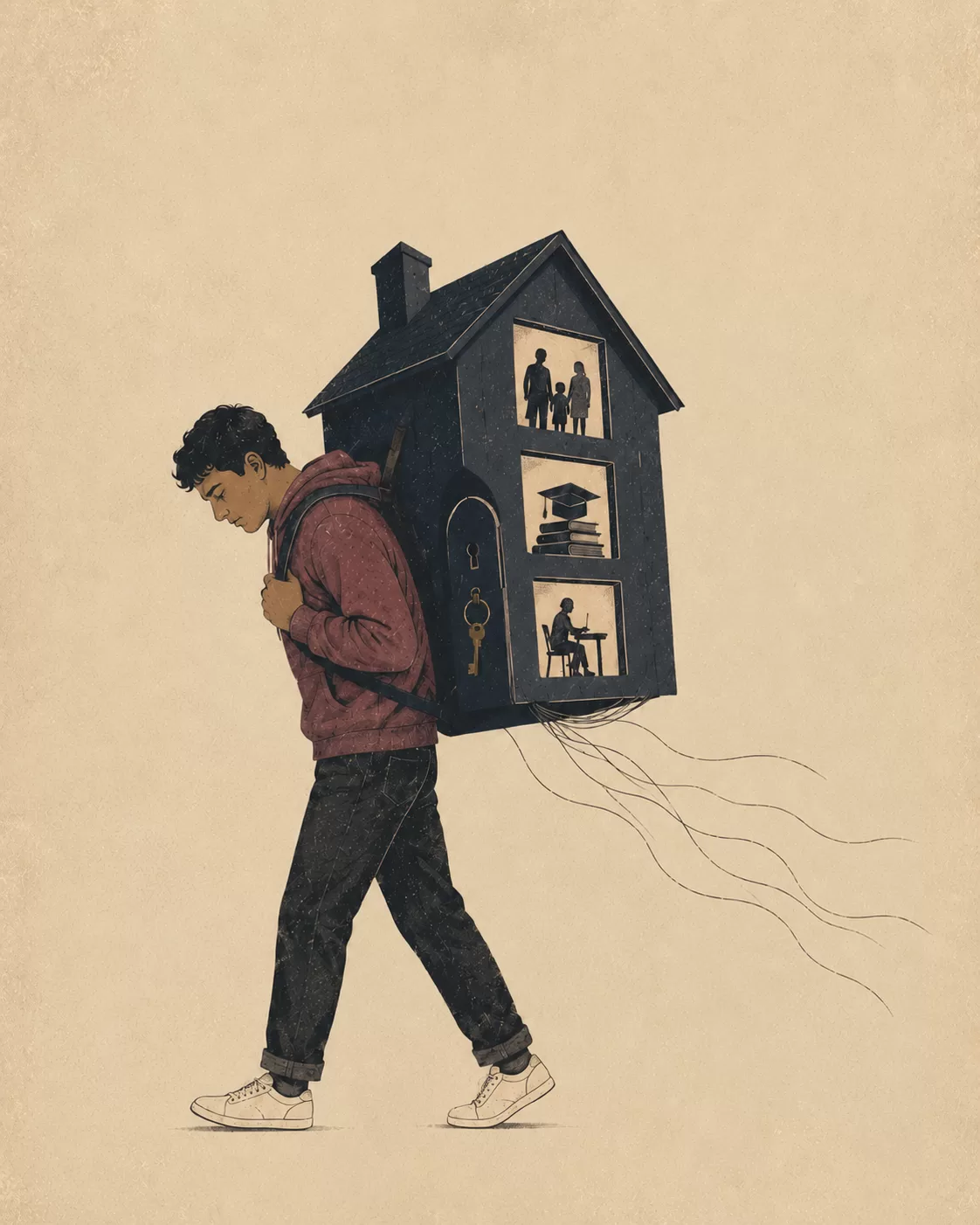








When Family and Identity Are Deeply Intertwined
Family expectations can influence mental health in powerful and complicated ways. In many cultural and immigrant communities, family is deeply connected to identity, support, responsibility, survival, and belonging. Expectations around achievement, caregiving, loyalty, emotional expression, and life choices are shaped not only by individual families, but also by larger cultural and historical experiences. These expectations are not inherently negative — many people feel proud of the values they learned growing up. At the same time, emotional stress can develop when people feel unable to balance family expectations with their own emotional needs, goals, or identity.
Family Expectations Often Come From Love and Survival
In many immigrant and cultural communities, values around work, education, caregiving, or responsibility are connected to real histories of sacrifice and survival. Parents and caregivers often encourage achievement because they want future generations to have opportunities they did not have themselves. Family loyalty and closeness may also be strongly emphasized because community support has historically played an important role in survival and resilience.
The Pressure to Succeed Can Become Overwhelming
Many people from immigrant families feel intense pressure to succeed academically or professionally. Over time, this pressure can contribute to:
- Chronic stress and anxiety
- Perfectionism and fear of failure
- Difficulty resting without guilt
- Emotional burnout and exhaustion
- Self-worth tied heavily to productivity
- Fear of disappointing family members
Why Boundaries Can Feel So Difficult
In many collectivist cultures, family interconnectedness is highly valued. Supporting relatives emotionally, financially, or practically may be viewed as normal and expected. Because of this, boundaries can feel emotionally complicated. Someone may feel guilty saying no to family requests, prioritizing personal needs, or making independent decisions. The challenge often involves finding balance between caring for others and maintaining emotional well-being.
Therapy Is Not About Rejecting Your Family or Culture
One common fear is that therapy will encourage people to distance themselves from family or reject important cultural values. Culturally responsive therapy does not pressure people to abandon meaningful relationships or traditions. At Trust Therapeutics, therapy often helps individuals build healthier communication, emotional awareness, and boundaries while still honoring the parts of their identity and relationships that matter to them. Family expectations can influence mental health in both meaningful and challenging ways — and recognizing that complexity is part of creating healthier emotional relationships with both yourself and the people you love.