







When Exhaustion Goes Deeper Than a Difficult Week
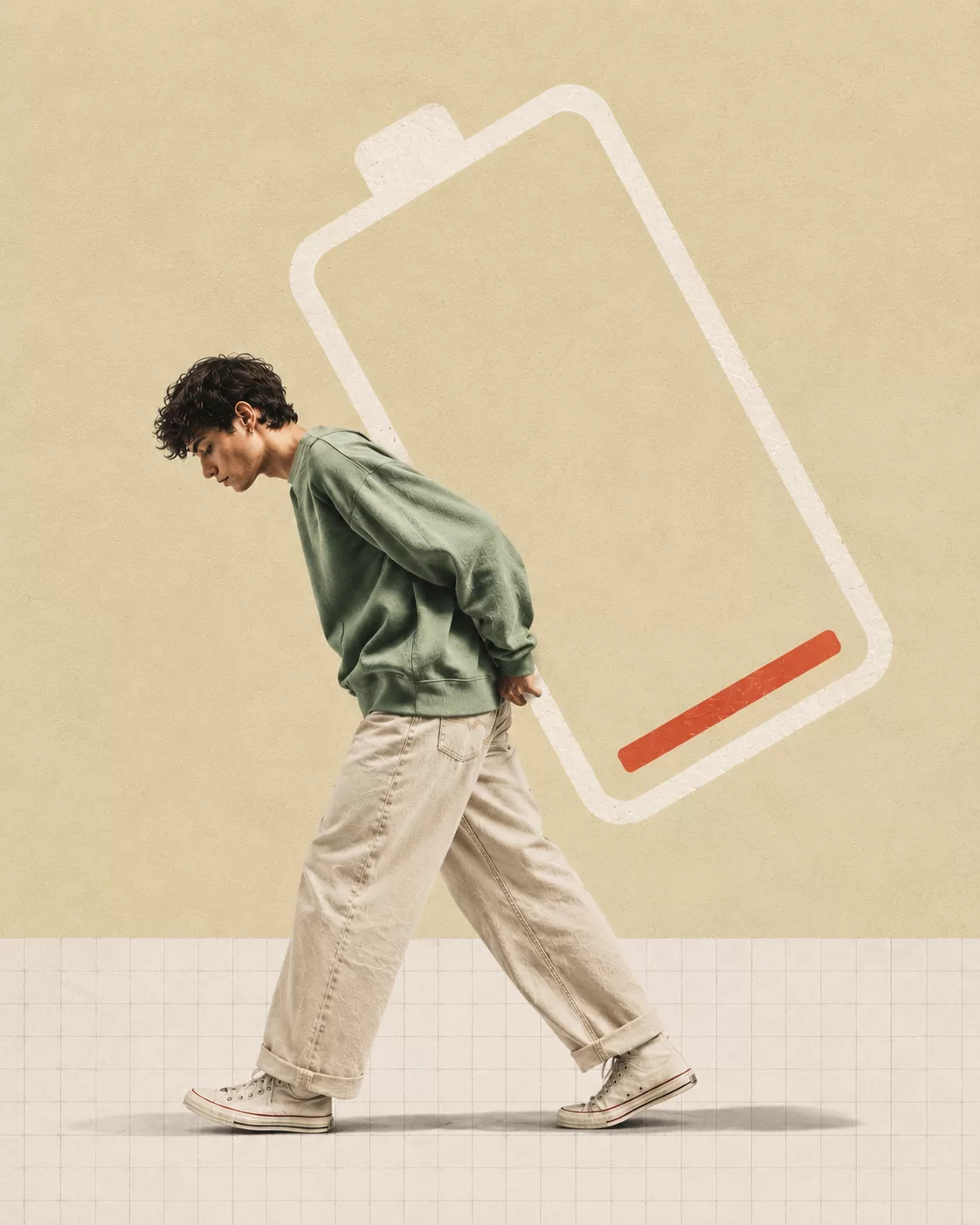
Most people have experienced stress at some point in their lives. Usually, periods of stress improve when circumstances change or when people have opportunities to rest and recover. Burnout, however, is different. It often involves ongoing emotional, mental, and physical exhaustion that develops over time. Individuals may begin to feel disconnected from themselves, less motivated, emotionally drained, or unable to engage with activities that once felt meaningful.
While burnout can affect anyone, LGBTQ+ individuals may face additional stressors that contribute to emotional exhaustion. Experiences such as discrimination, identity concealment, social isolation, family conflict, and navigating environments that feel unsafe can create a cumulative burden. Understanding the signs of burnout can help individuals recognize when they may need additional support.
How Minority Stress Contributes to Burnout
Minority stress refers to the chronic strain that can result from navigating stigma, discrimination, marginalization, or social exclusion. Constantly navigating these realities can require significant emotional resources. Many LGBTQ+ individuals become highly skilled at monitoring their environments, assessing whether situations feel safe, deciding when to disclose aspects of their identity, and navigating potential misunderstandings. Over time, carrying these responsibilities alongside work, relationships, and other life demands can contribute to feelings of depletion.
Common Signs of Emotional Burnout
- Persistent emotional exhaustion
- Feeling detached or disconnected from others
- Difficulty concentrating or staying motivated
- Increased irritability or frustration
- Loss of interest in previously enjoyable activities
- Feeling numb or emotionally flat
- Frequent self-criticism
- Difficulty resting even when opportunities exist
- Changes in sleep patterns
- Reduced sense of accomplishment or purpose
The Hidden Pressure to Always Be Resilient
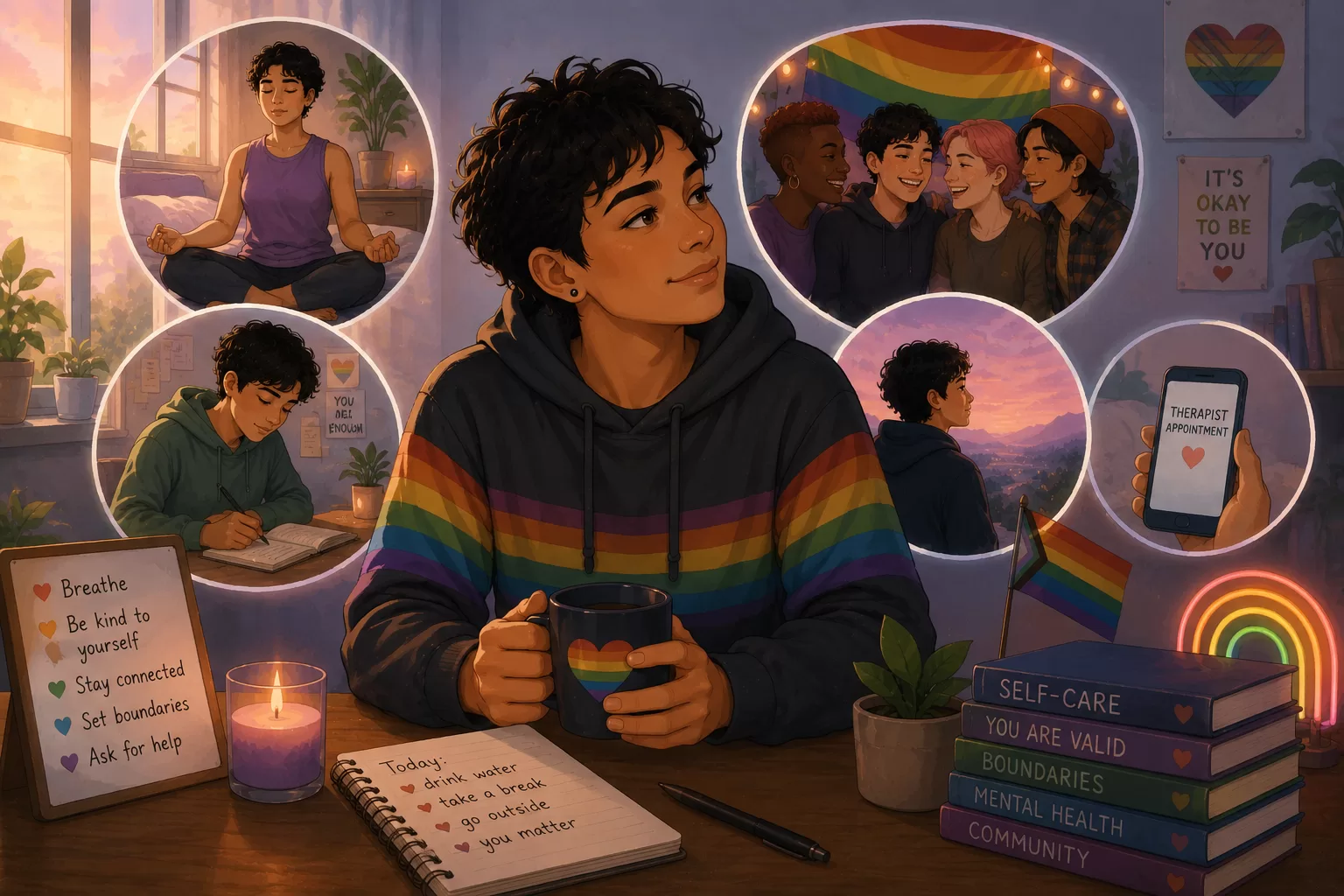
One challenge that many LGBTQ+ individuals face is the expectation that resilience should be constant. Stories of resilience can be empowering, but problems arise when people feel pressured to always be strong, always be coping well, and always be able to handle whatever comes their way. As a result, they may ignore signs of exhaustion or feel guilty for needing support. The reality is that resilience and vulnerability can coexist. Giving oneself permission to rest, set boundaries, and acknowledge emotional needs can be an important part of preventing burnout.
How Therapy Can Help
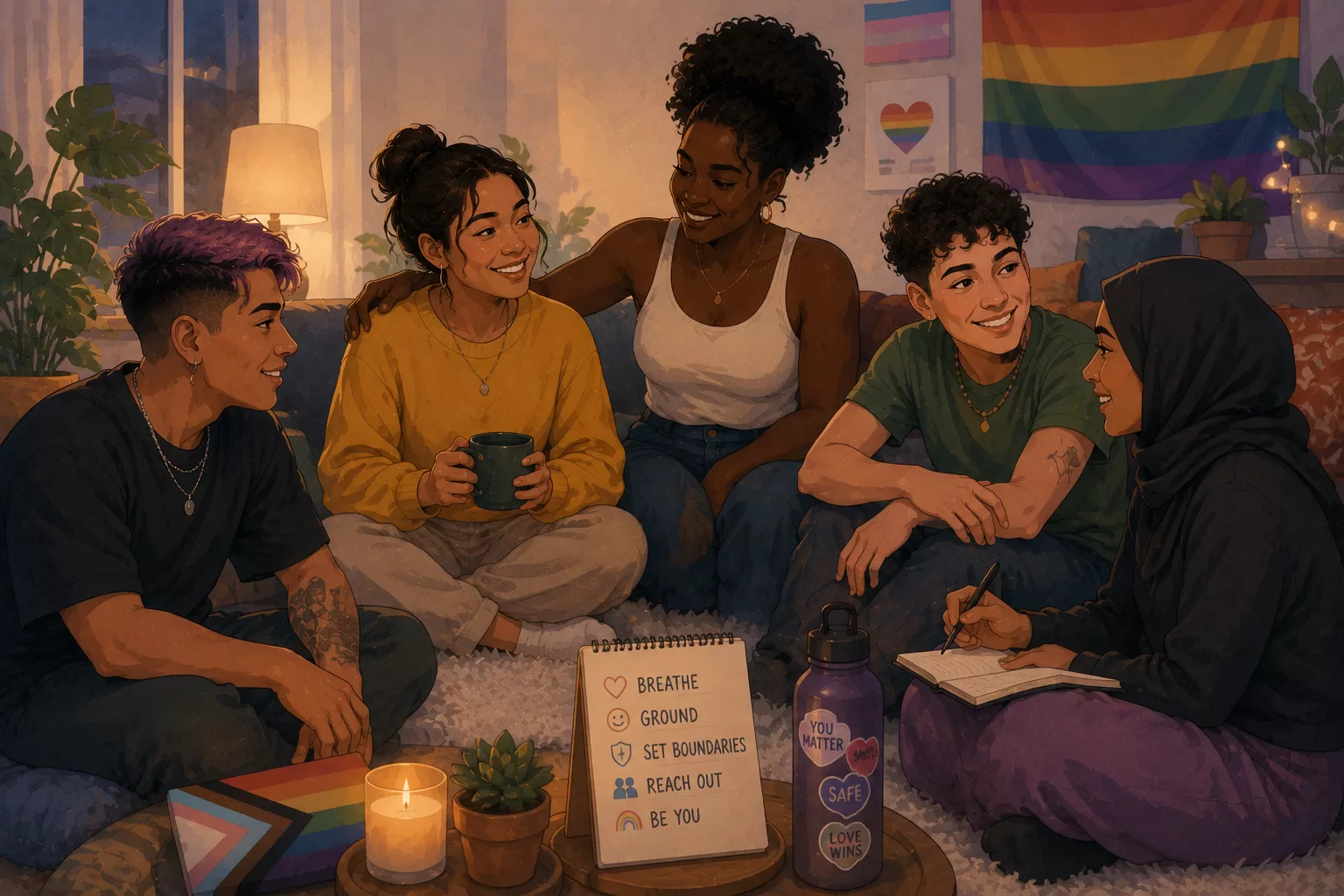
At Trust Therapeutics, therapy provides a supportive environment for exploring the factors contributing to burnout and identifying strategies that promote emotional well-being. For LGBTQ+ individuals, therapy also provides space to discuss experiences related to identity, relationships, family dynamics, workplace challenges, minority stress, and self-acceptance. Having a supportive environment where these experiences are understood can reduce feelings of isolation and help individuals feel more connected to themselves and others.