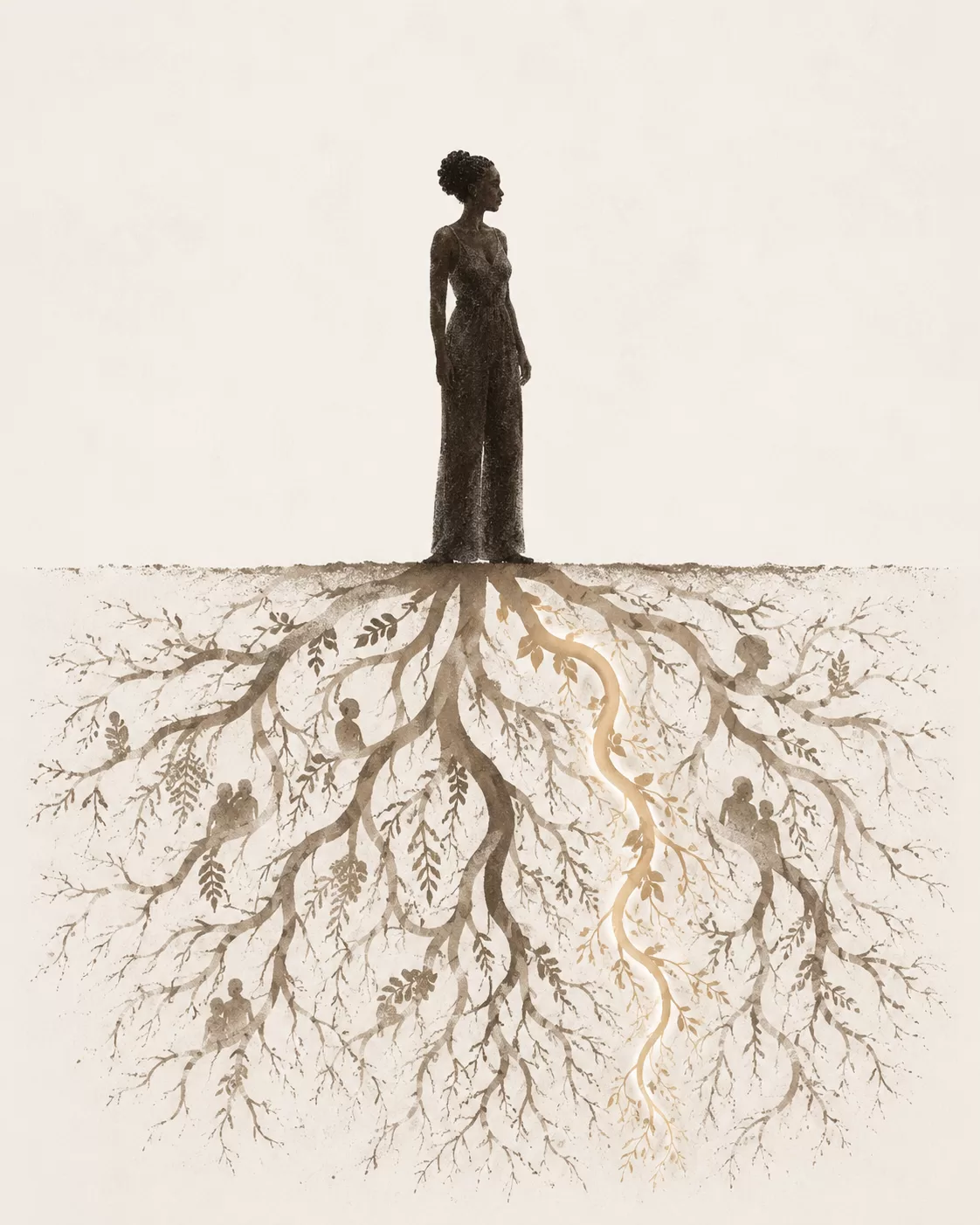









When the Past Stays Present
Many adults assume that childhood is something they have left behind. They may acknowledge that certain experiences were difficult, but believe those experiences no longer influence their daily lives. Yet childhood is one of the most important periods of emotional development. During these early years, individuals begin learning how to understand emotions, relate to others, handle stress, develop self-esteem, and make sense of the world around them. These lessons are absorbed through relationships, experiences, and repeated interactions with caregivers. Certain experiences can leave lasting emotional imprints that continue influencing behavior, relationships, and emotional well-being long into adulthood.
Childhood Experiences Shape Expectations
One of the most significant ways childhood affects adulthood is through the expectations people develop about themselves, other people, and relationships. If children consistently experience support, safety, and emotional responsiveness, they often develop a sense that relationships are trustworthy and that their needs matter. If their experiences involve unpredictability, criticism, emotional neglect, or instability, they may develop different expectations that continue operating beneath conscious awareness. An adult who grew up feeling responsible for other people’s emotions may continue prioritizing others’ needs at the expense of their own.
Relationship Patterns That Feel Familiar
Another area where childhood experiences frequently emerge is in adult relationships. Many people find themselves repeating similar relationship patterns despite actively trying to create different outcomes. They may consistently struggle with trust, fear abandonment, avoid vulnerability, or feel responsible for managing other people’s emotions. Early relationships often serve as templates for future relationships — experiences with caregivers help shape beliefs about closeness, safety, communication, and emotional connection. As adults, people sometimes recreate familiar dynamics not because those dynamics are healthy, but because they are familiar.
Common Indicators Childhood Experiences May Still Be Influencing You
Some possible signs include:
- Chronic self-criticism or low self-esteem
- Difficulty trusting others
- Fear of rejection or abandonment
- People-pleasing behaviors
- Difficulty setting boundaries
- Emotional numbness or disconnection
- Strong reactions to criticism or conflict
- Persistent feelings of shame
Why Awareness Matters
Awareness is not about becoming stuck in the past. In fact, awareness often creates greater freedom in the present. When people understand the origins of certain patterns, they gain the opportunity to respond differently. Behaviors that once felt automatic begin to feel more understandable and manageable. Someone who recognizes their people-pleasing tendencies as a learned survival strategy may begin practicing healthier boundaries. At Trust Therapeutics, therapists provide compassionate, trauma-informed care for individuals navigating anxiety, relationship challenges, self-esteem concerns, and the lasting effects of difficult experiences. Therapy can help clients understand emotional patterns, strengthen coping skills, and build healthier relationships with themselves and others.