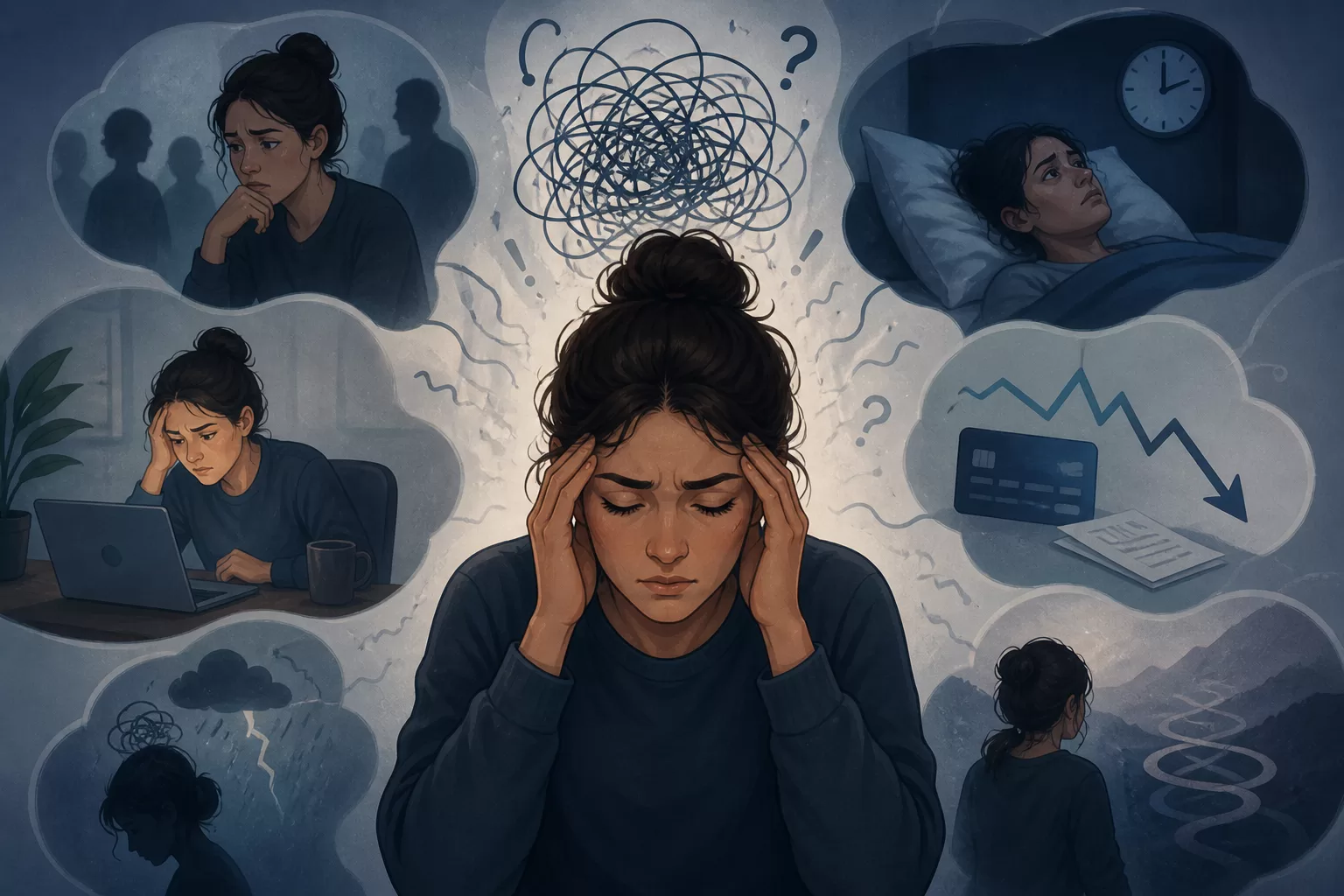









When Happiness Feels Like It Requires a Major Life Change
When people think about improving their mental health, they often imagine major life changes. They may believe they need a new job, a healthier relationship, or a long vacation before they can truly feel better. While significant changes can certainly influence well-being, research increasingly suggests that emotional health is also shaped by something much smaller: everyday moments of joy. These moments are easy to overlook because they rarely feel dramatic — laughing with a friend, enjoying a favorite meal, or sitting outside on a sunny afternoon. Yet together, they help regulate the nervous system and remind people that life contains experiences worth noticing, even during difficult seasons.
Joy Is Different From Happiness
People often use the words “joy” and “happiness” interchangeably, but they are not exactly the same. Happiness is frequently connected to circumstances — receiving good news or celebrating a milestone. Joy tends to be quieter and more sustainable. It often comes from meaningful experiences, connection, gratitude, or simply being present in the moment. Someone may still experience grief or stress while also finding joy in spending time with loved ones. Understanding this distinction helps reduce the pressure to feel happy all the time.
Why the Brain Often Misses Positive Experiences
Human brains are naturally wired to notice potential problems. As a result, joyful moments often pass by without much attention. Someone may receive several compliments but spend the entire day thinking about one negative comment. Learning to intentionally notice positive experiences helps create a more balanced emotional perspective. Consistency matters more than intensity — one joyful experience every day often has a greater long-term impact than occasional dramatic experiences.
Joy Strengthens Resilience
Resilience is often described as the ability to recover from adversity. Joy plays an important role in developing this capacity. Positive emotions encourage flexible thinking, creativity, and problem-solving. People who intentionally create opportunities for joy often find it easier to navigate stress because they are regularly restoring emotional resources. Joy reminds individuals that difficult moments are only one part of their lives, not the entire story.
Rediscovering Joy After Stress
Chronic stress can make enjoyable activities feel less appealing. Rather than assuming those interests are gone forever, it helps to begin with small, manageable experiences — listening to favorite music, spending ten minutes outdoors, or cooking a meaningful recipe. These moments rebuild motivation gradually rather than requiring immediate emotional transformation.
How Therapy Can Help
Sometimes emotional exhaustion becomes so overwhelming that even enjoyable activities no longer feel meaningful. At Trust Therapeutics, therapy can help individuals identify barriers preventing them from experiencing joy and explore practical ways to reconnect with meaningful activities. Joy does not replace healing, but it often becomes an important part of it.