







Why Identity Matters for Emotional Well-Being
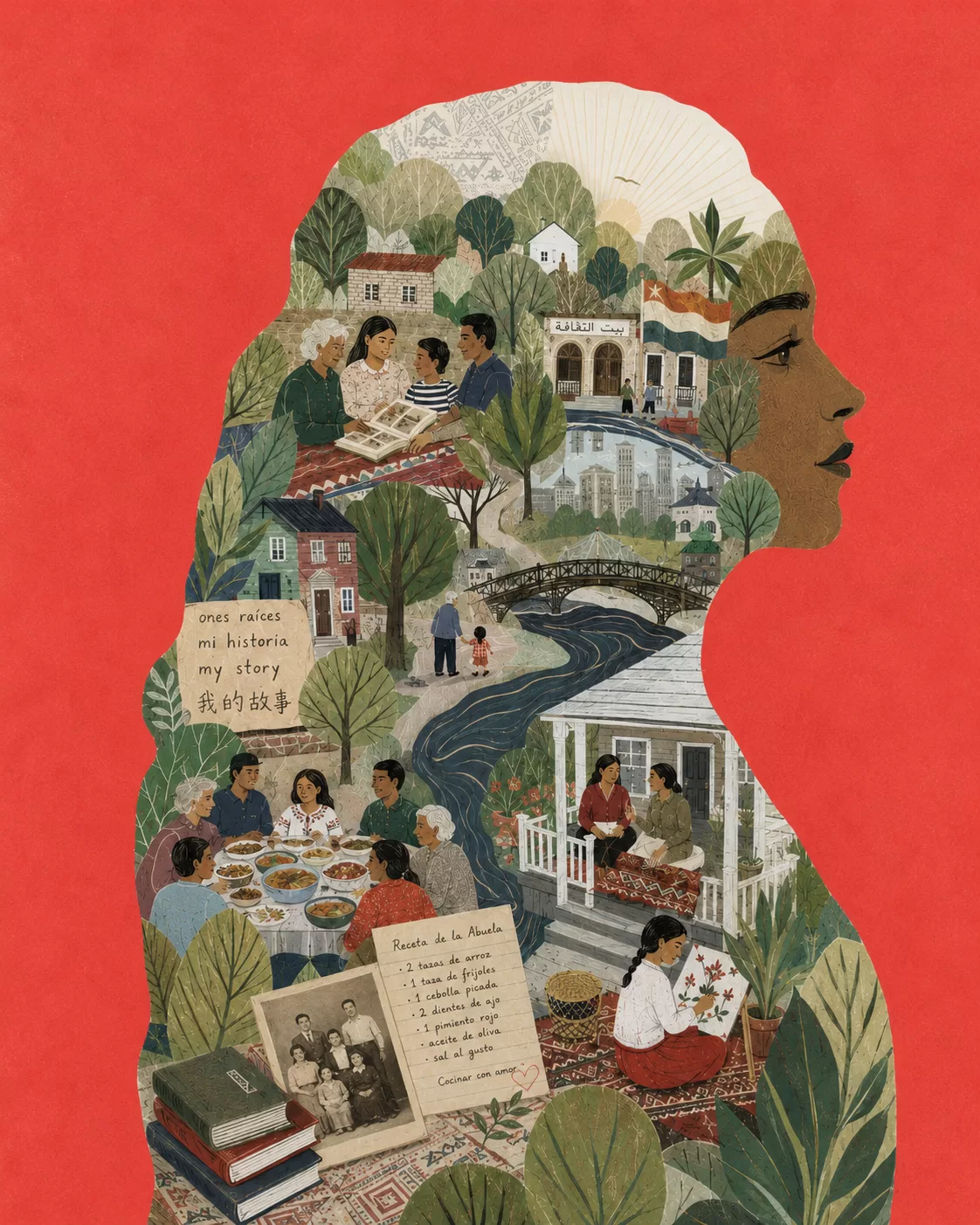
Cultural identity influences much more than traditions, language, or holidays. It shapes how people see themselves, connect with others, understand adversity, and find meaning in their lives. Whether someone identifies strongly with a particular culture or is still exploring what their identity means, feeling connected to one’s heritage can become a powerful source of emotional strength.
At the same time, cultural identity is rarely simple. Many people grow up balancing different expectations between home, school, work, and society. Some feel deeply connected to their traditions, while others struggle with questions of belonging after migration, family conflict, or experiences of prejudice. These experiences influence confidence, relationships, emotional well-being, and resilience in meaningful ways.
What Is Cultural Identity?
Cultural identity refers to the values, traditions, customs, beliefs, language, history, and experiences that help shape how people understand themselves and where they belong. It may include ethnicity, nationality, race, religion, family traditions, community practices, or shared historical experiences. For many individuals, cultural identity continues to evolve throughout different stages of life.
Difficulties often arise when people feel pressured to reject or hide aspects of their identity to fit into environments where they do not feel fully accepted. Over time, this disconnection can affect self-esteem, increase stress, and contribute to feelings of isolation.
Why Identity Supports Emotional Well-Being
Knowing where someone comes from can provide a strong foundation during uncertain times. Cultural traditions often offer routines, celebrations, spiritual practices, storytelling, music, food, and family rituals that promote comfort and continuity. These experiences remind individuals that they belong to something larger than themselves. A secure cultural identity can also strengthen emotional resilience — when people understand the strengths within their families or communities, they may view challenges differently.
Navigating Multiple Cultural Worlds
Many people move between different cultural environments every day. They may speak one language at home and another at work. Family expectations may differ from those of friends or colleagues. These transitions can become emotionally exhausting. Individuals may feel pressure to assimilate while maintaining loyalty to family traditions. Learning to appreciate multiple identities instead of viewing them as competing often reduces this tension.
Culture as a Source of Resilience
Every culture carries strengths that support emotional well-being. Some emphasize community responsibility and collective care. Others prioritize spirituality, storytelling, creativity, or intergenerational wisdom. These strengths often become valuable coping resources during stressful periods. Research consistently suggests that individuals who experience a positive connection to their cultural identity often demonstrate greater resilience following adversity.
How Therapy Can Help
Therapy can provide a supportive space for individuals navigating questions about identity, belonging, family expectations, discrimination, or cultural transitions. A culturally responsive therapist recognizes that culture influences how people experience stress, relationships, communication, and healing. At Trust Therapeutics, we approach every client with curiosity, compassion, and genuine respect for the cultural experiences that shape their lives.