
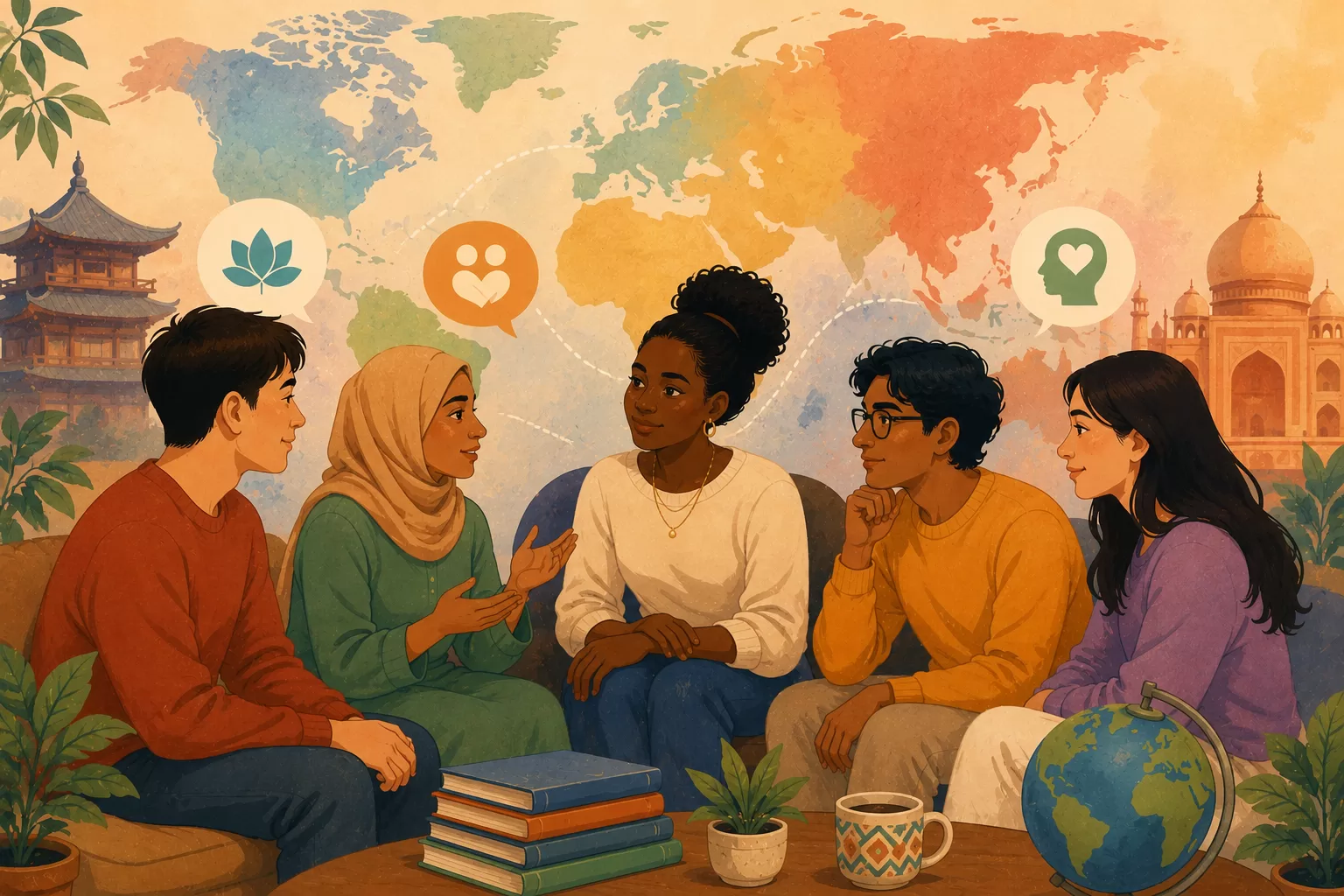








Why Language Shapes Emotional Experience
Language shapes how people express emotions, build relationships, process experiences, and seek support. Culture also influences how mental health is understood, discussed, and responded to within families and communities. For many people — especially immigrants, bilingual individuals, and multicultural families — mental health conversations can feel complicated. Someone may understand their emotions clearly in one language but struggle to explain them in another.
Mental Health Is Not Experienced the Same Way Everywhere
Different cultures have different beliefs about emotions, relationships, independence, family roles, and coping. In some communities, emotional restraint is associated with strength or maturity. In others, family privacy is highly valued, making it difficult to discuss personal struggles openly. Some cultures prioritize collectivism and family responsibility, while others emphasize individuality and independence. Because of these differences, emotional distress may not always look the same across communities.
The Emotional Impact of Language Barriers
For bilingual or multilingual individuals, certain emotions may feel easier to express in one language than another. Someone may intellectually understand English well while still feeling emotionally limited when discussing grief, fear, shame, or vulnerability in therapy. Language barriers may also affect:
- Access to mental health services
- Comfort discussing emotions openly
- Understanding diagnoses or treatment recommendations
- Trust in healthcare systems
- Family communication across generations
- Feelings of belonging or identity
Why Some People Feel Misunderstood in Therapy
A therapist unfamiliar with a client’s cultural context may unintentionally interpret behaviors, communication styles, or family dynamics too narrowly. Family closeness may be viewed differently depending on cultural background. Emotional restraint may reflect learned cultural norms rather than emotional avoidance alone. Culturally aware therapy involves openness, curiosity, humility, and awareness that mental health experiences are shaped by social and cultural context.
How Therapy Can Help
At Trust Therapeutics, culturally responsive care means recognizing that mental health is influenced by language, relationships, identity, migration experiences, family expectations, and social context. Therapy is approached with curiosity, compassion, and respect for each person’s lived experience. You deserve to feel emotionally understood — and that understanding can make a meaningful difference in therapy and in daily life.