
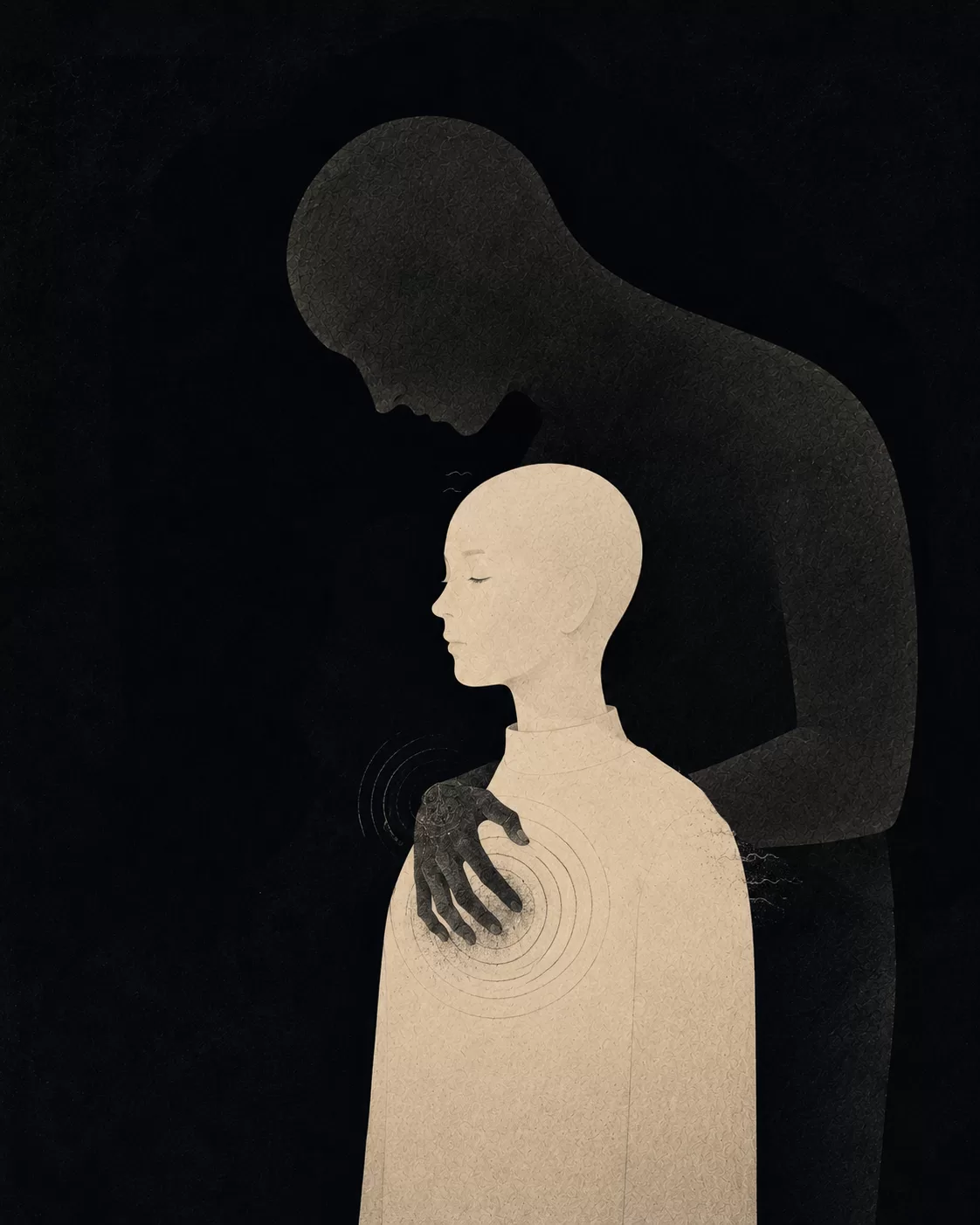








An invisible disability — one that isn’t immediately apparent to others — carries a specific emotional weight that visible disabilities don’t always share: having to repeatedly prove that a real limitation exists, often to people who mean no harm but simply can’t see it.
What Counts as an Invisible Disability
This can include chronic pain conditions, autoimmune illness, some neurodivergent conditions, mental health conditions, and sensory processing differences, among others — a wide range of conditions united mainly by the fact that they aren’t visually obvious.
The Emotional Toll of Disbelief and Minimization
Being met with skepticism, subtle disbelief, or comments like “you don’t look sick” can be exhausting in a way that compounds the original condition. Over time, repeated disbelief can lead people to doubt their own experience or stop disclosing it altogether.
The Burden of Constantly Explaining Yourself
Needing to repeatedly justify accommodations, energy limits, or symptoms — to employers, family, or even doctors — adds an ongoing emotional labor cost on top of managing the condition itself.
How This Affects Relationships and Self-Trust
Chronic disbelief from others can erode self-trust over time, making it harder to advocate for your own needs even when you know something is genuinely wrong.
Finding Community and Validation
Connecting with others who share similar experiences — through community groups, online spaces, or peer support — can provide a form of validation that’s hard to find elsewhere, simply from being believed without having to prove anything.
How Therapy Can Help
A therapist familiar with chronic and invisible conditions can offer a space where your experience doesn’t need to be justified, and can help you process the emotional weight of navigating disbelief alongside the condition itself.
Talk with a therapist who takes your experience seriously, without requiring proof.