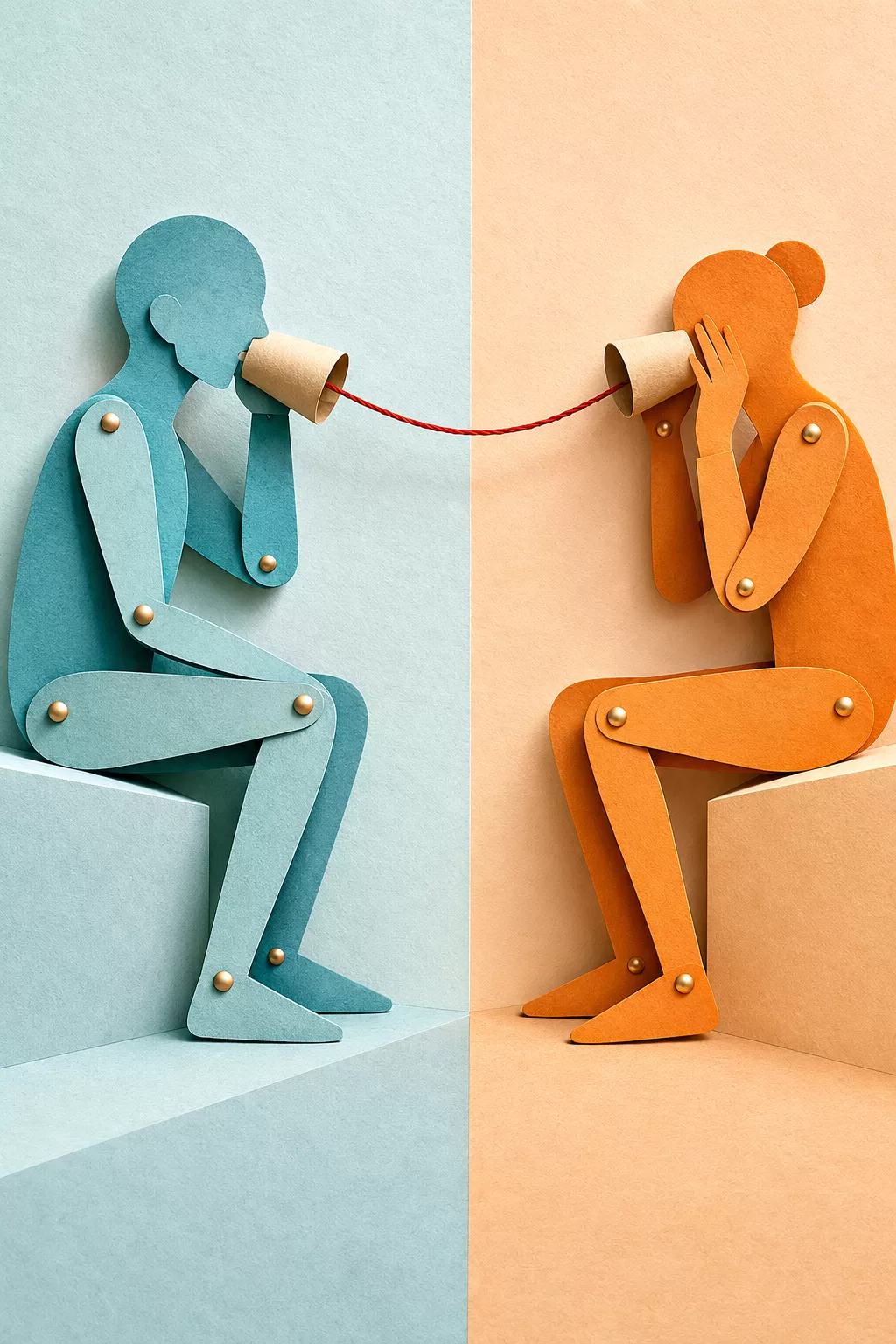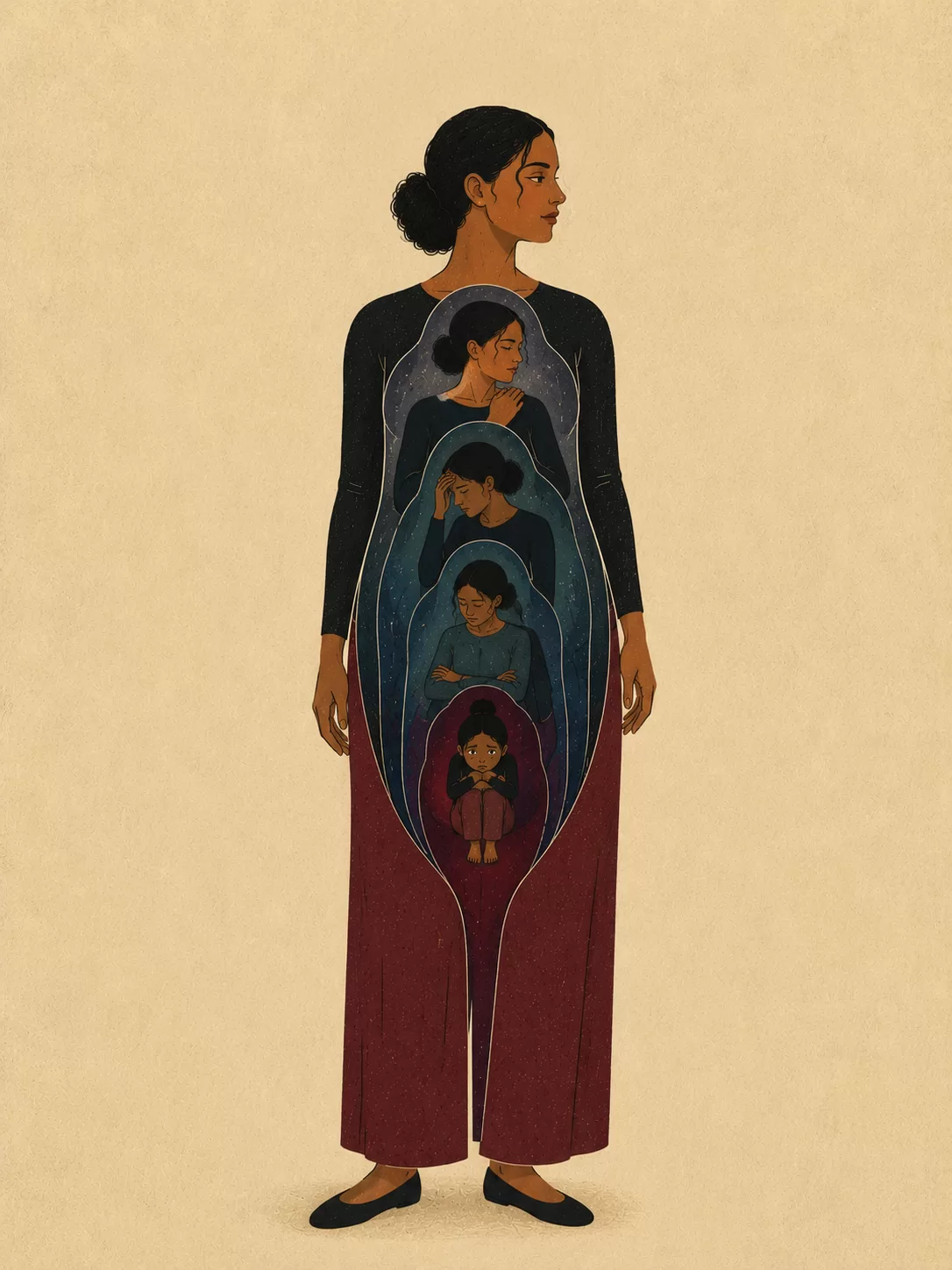

Mental health struggles in men don’t always look the way popular depictions suggest. Recognizing the signs that are more common, but less discussed, can make it easier to notice when something’s actually going on — in yourself or someone you care about.
This isn’t about suggesting men experience fundamentally different emotions — it’s about how those emotions often get expressed, shaped by socialization that can make certain expressions feel safer than others.
Why Presentation Can Differ
Social conditioning around emotional expression can shape how distress shows up — sometimes as irritability, anger, or withdrawal rather than the sadness or open distress more commonly associated with depression or anxiety.
Signs That Are Often Missed
- Increased irritability or a short temper that’s out of character.
- Overworking or throwing yourself into a project as a way to avoid feelings.
- Increased risk-taking or reckless behavior.
- Physical complaints — headaches, fatigue — without another clear cause.
- Withdrawal from relationships rather than talking about what’s wrong.
Why These Signs Often Go Unaddressed
Cultural expectations around masculinity and emotional stoicism can make it harder for men to recognize their own distress, or to feel like acknowledging it is acceptable, even to themselves.
If This Sounds Like You or Someone You Know
Naming these patterns for what they might be — not weakness, but signs worth taking seriously — is often the first step toward addressing them directly, rather than continuing to manage them alone.
How Therapy Can Help
A therapist can help you understand what’s underneath these patterns and build a way of processing difficulty that doesn’t rely solely on irritability, overworking, or withdrawal as the default outlet.