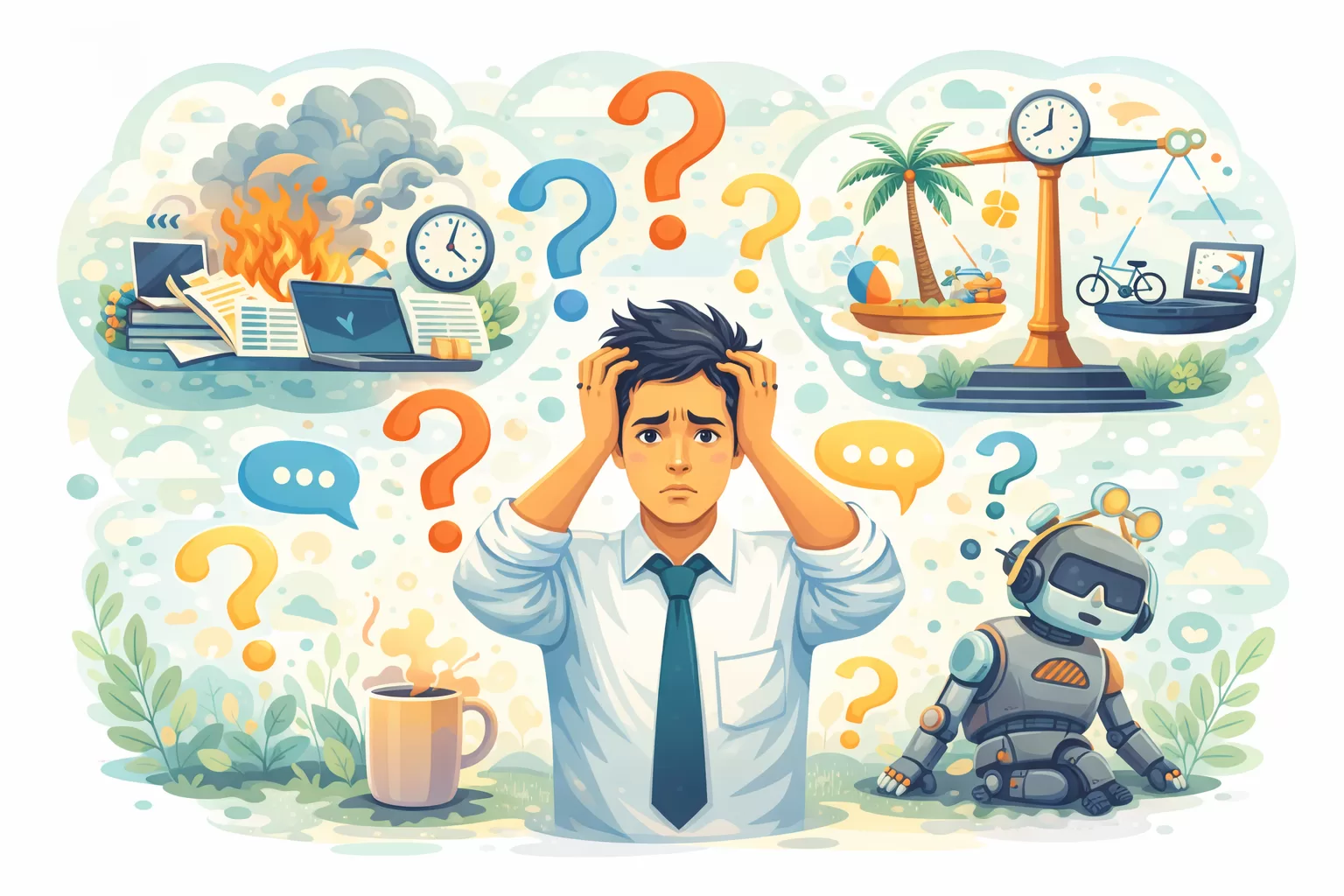









When the Body Stays Stuck in Protection Mode
Many people assume trauma is something that happens in the past and stays there. They may expect that once a difficult experience ends, life eventually returns to normal. However, trauma does not always operate according to a timeline. For some individuals, the body and mind continue responding to stress long after the original danger has passed. They may find themselves feeling exhausted, anxious, disconnected, or constantly alert without understanding why. What they are experiencing is sometimes described as living in survival mode.
Survival mode is not a formal diagnosis. Rather, it is a way of describing a nervous system that remains focused on protection instead of restoration. When the brain has learned that the world is unpredictable or unsafe, it may continue scanning for threats even during periods of relative stability. Understanding the signs of survival mode can help individuals recognize patterns that may be affecting their emotional well-being and daily functioning.
Understanding the Purpose of Survival Mode
The human nervous system is remarkably effective at protecting people during times of danger. When faced with a threat, the body automatically activates a stress response designed to increase the chances of survival. The challenge arises when the nervous system has difficulty recognizing that the threat has ended. A person may logically understand they are safe while their nervous system continues preparing for something bad to happen. This disconnect often creates confusion because individuals may not realize that their reactions are connected to past experiences rather than current circumstances.
When Being Alert Becomes a Way of Life
One of the most common signs of survival mode is a persistent feeling of vigilance. Many trauma survivors describe feeling as though they can never fully relax. Even during enjoyable experiences, part of their attention remains focused on what could go wrong. Over time, this constant alertness can become so familiar that it feels normal. Some individuals are even praised for being highly responsible or prepared without recognizing that these strengths may be connected to chronic anxiety and hypervigilance.
The Hidden Exhaustion of Survival Mode
Many people expect survival mode to feel intense and energetic. Surprisingly, one of its most common effects is fatigue. Individuals living in survival mode often report feeling tired even after sleeping. They may struggle with concentration, experience brain fog, or find it difficult to complete tasks that once felt manageable. In reality, their nervous system may simply be depleted from carrying a heavy emotional burden for an extended period.
Common Signs Trauma May Still Be Affecting the Nervous System
- Difficulty relaxing even when life feels relatively stable
- Persistent anxiety, worry, or feelings of dread
- Trouble sleeping or staying asleep
- Emotional numbness or disconnection
- Constantly expecting something to go wrong
- Feeling exhausted despite adequate rest
- Difficulty trusting others or asking for support
Moving Beyond Survival
The good news is that survival mode is not a permanent state. The nervous system has the capacity to learn safety just as it learned danger. Healing often involves helping the body recognize that it no longer needs to remain constantly prepared for threat. At Trust Therapeutics, a trauma-informed therapist can help individuals identify patterns, develop coping skills, process difficult experiences, and build a stronger sense of safety. With greater awareness, support, and self-compassion, individuals can begin shifting from a state of constant protection toward a life that includes safety, connection, and genuine well-being.