
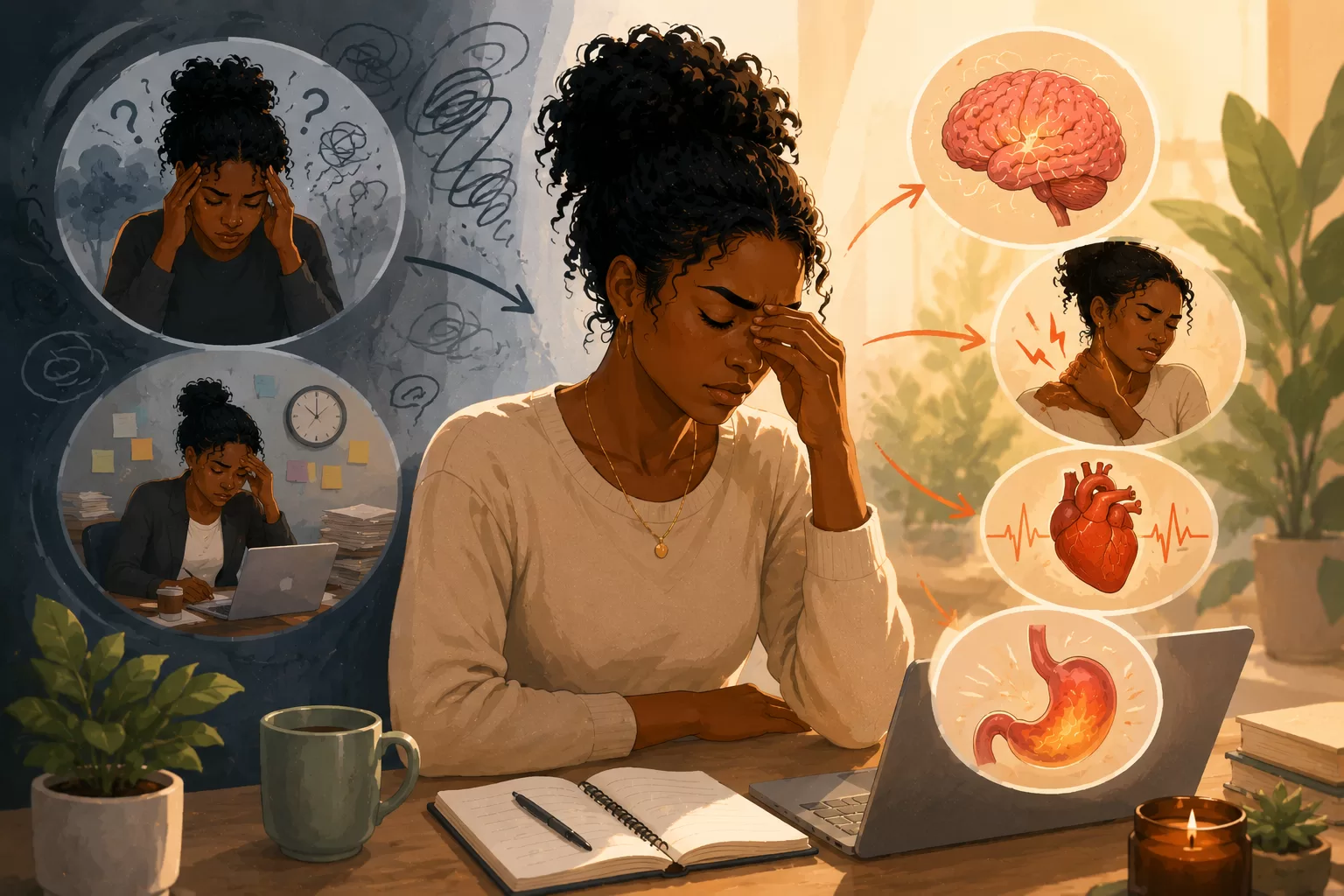








When Stress Stops Being Temporary
Stress is a normal part of life. In many situations, stress serves a useful purpose — it can motivate people to solve problems and meet challenges. However, there is a point where stress can begin to affect mental health in ways that go beyond temporary discomfort. One reason this transition is often overlooked is because chronic stress has become normalized. Many people describe themselves as stressed almost every day and assume feeling overwhelmed is simply part of adulthood, not recognizing the toll it is taking on their emotional well-being.
Stress Does Not Always Look Like Anxiety
When people think about stress, they often picture someone who appears worried or overwhelmed. While anxiety can certainly be a sign of stress, stress affects people in many different ways. Some individuals become more irritable or emotionally reactive. Others feel emotionally numb, disconnected, or exhausted. Stress can also show up as increased frustration, difficulty concentrating, or a reduced ability to tolerate everyday challenges. Because stress manifests differently from person to person, it is important to pay attention to changes in mood, behavior, and overall functioning.
Emotional Signs That Stress Is Affecting Mental Health
One of the clearest indicators that stress is becoming a mental health concern is a noticeable shift in emotional well-being. Individuals may feel persistently anxious or unable to relax even when there are no immediate problems to solve. Others may experience increased sadness, hopelessness, or emotional exhaustion — activities that once brought enjoyment may feel less satisfying, and motivation may begin to decline. Some people describe feeling detached or emotionally numb, which can be just as significant as feeling overwhelmed.
Physical Symptoms May Be Warning Signs
The body often communicates the effects of stress before people fully recognize what is happening emotionally. Persistent headaches, muscle tension, digestive issues, fatigue, and changes in appetite are all common physical responses to chronic stress. Sleep problems are particularly common — some individuals have difficulty falling asleep due to worry, while others wake frequently throughout the night. Poor sleep can further intensify stress, making it more difficult to regulate emotions and cope with daily demands.
When Everyday Responsibilities Feel Increasingly Difficult
Most people experience occasional periods when responsibilities feel overwhelming. However, when stress becomes chronic, even routine tasks can begin to feel difficult. Activities such as answering emails, completing work assignments, or keeping up with household responsibilities may require significantly more effort than usual. When previously manageable responsibilities begin to feel consistently overwhelming, it may indicate that stress is having a broader impact on mental health.
When It May Be Time to Seek Help
Many people wait until they reach a breaking point before seeking support. In reality, therapy can be helpful long before someone reaches a crisis. Mental health professionals can help individuals identify sources of stress, recognize unhelpful patterns, and develop healthier coping strategies. The earlier stress-related concerns are addressed, the easier it often becomes to prevent them from developing into more significant mental health challenges. At Trust Therapeutics, our clinicians work with individuals experiencing stress, anxiety, burnout, and life transitions to help them feel more balanced and supported