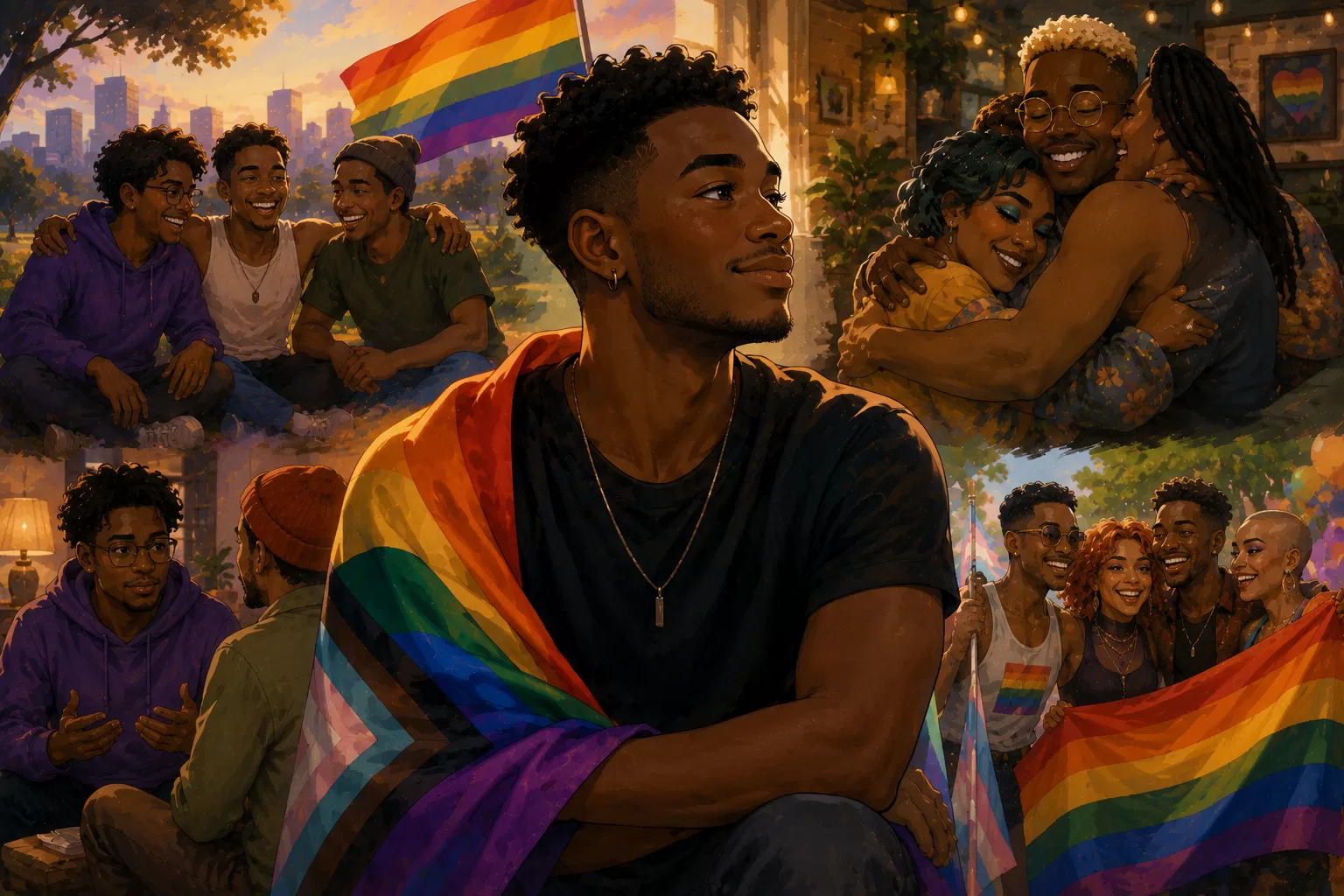








Community plays an outsized role in LGBTQ+ mental health, in part because family or hometown support can’t always be assumed the way it might be for others. For many LGBTQ+ people, chosen community becomes a primary — sometimes the primary — source of belonging and support.
Why Community Matters More in This Context
When family or community of origin isn’t fully accepting, or when someone has relocated to find a safer or more affirming environment, building new community isn’t optional — it’s often essential for basic wellbeing.
The Concept of Chosen Family
Many LGBTQ+ people build close, family-like bonds with friends and community members who provide the acceptance and support that biological family may not. This isn’t a lesser substitute — for many, it’s a vital and legitimate form of family.
How Isolation Affects LGBTQ+ Mental Health Specifically
Isolation compounds the effects of minority stress, removing a key buffer against the chronic strain of navigating an unaccepting environment — which is part of why community isn’t just nice to have, but protective.
Barriers to Finding Community
Geography, limited local LGBTQ+ community, or difficulty finding community that also reflects other aspects of identity (race, religion, disability) can all make building genuine connection harder for some people than others.
Ways to Build Community
This can include LGBTQ+ community centers, affinity groups, online communities, or activities and interests that happen to bring you into contact with like-minded people — connection doesn’t have to start explicitly identity-focused.
How Therapy Can Support This
A therapist can help you process barriers to connection — whether past rejection, social anxiety, or practical obstacles — and support you in building the kind of community that genuinely sustains you.
Get support building genuine connection and community.