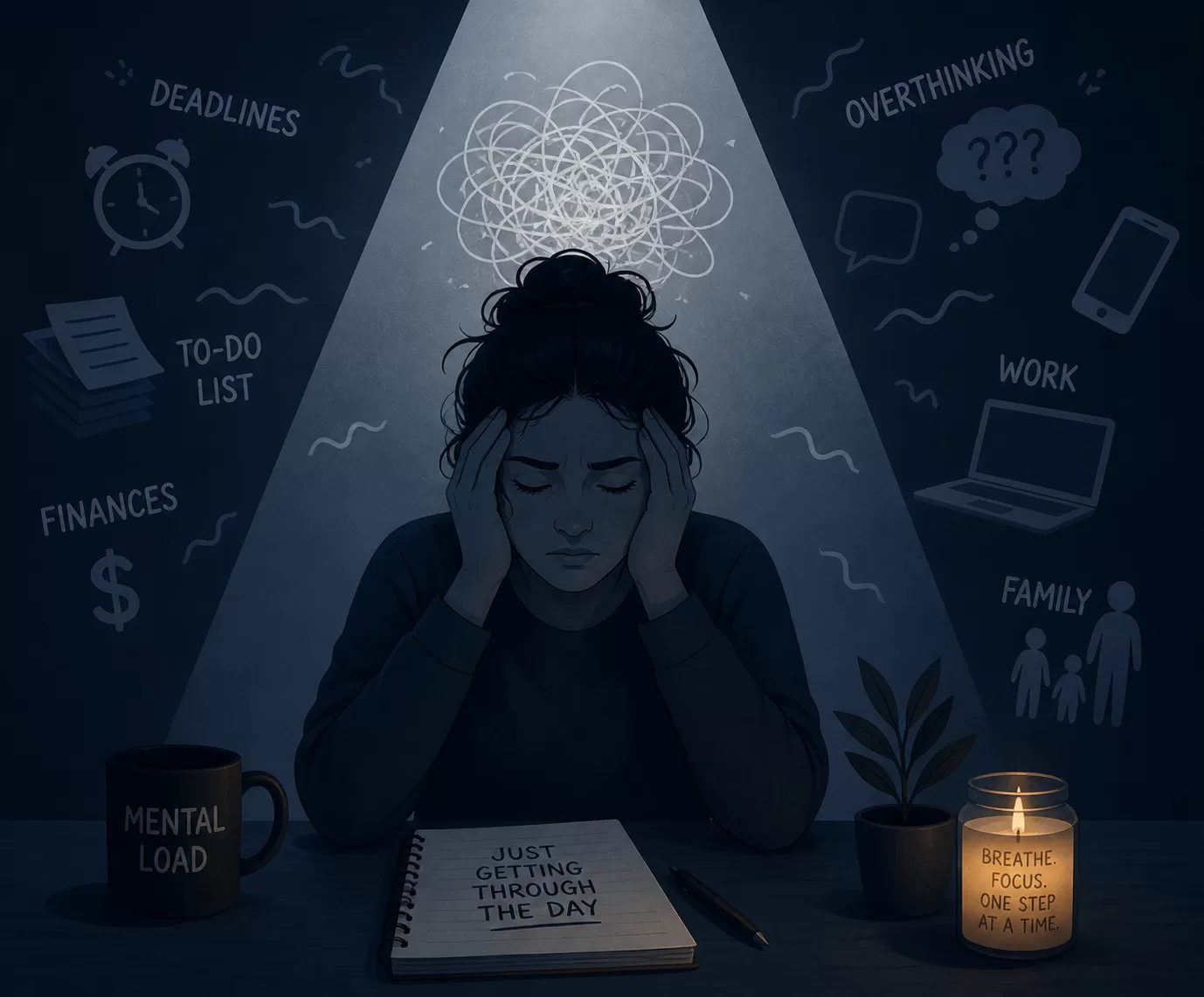









When Positive Changes Bring Unexpected Emotions
A promotion at work. A new relationship. Moving into a new home. Even accomplishing a long-awaited goal can sometimes bring an unexpected emotional response: discomfort. Many people assume that positive changes should automatically create excitement and happiness, so when anxiety, sadness, or uncertainty appear instead, they begin to question themselves. The reality is that change — whether positive or difficult — requires adjustment. Understanding the relationship between the fear of change and mental health can help people respond to life transitions with greater compassion instead of self-criticism.
Why the Brain Prefers Familiarity
The human brain is remarkably efficient. It constantly looks for patterns, routines, and predictable outcomes because they reduce uncertainty and allow daily life to feel manageable. This preference explains why people sometimes stay in jobs they have outgrown or hesitate to pursue opportunities they genuinely want — remaining in familiar situations often feels less emotionally demanding than stepping into the unknown. This response can occur regardless of whether the change is objectively positive. Every transition involves both gains and losses, and the brain naturally notices both.
Positive Change Can Still Bring Grief
One of the most overlooked aspects of major life transitions is that positive experiences often include elements of grief. Graduating from college may mean saying goodbye to close friendships and familiar routines. Becoming a parent often changes personal identity and free time. Accepting a promotion might involve leaving supportive coworkers behind. Acknowledging these mixed emotions does not diminish gratitude. In fact, recognizing both excitement and sadness allows people to process transitions more honestly. It is entirely possible to celebrate a new beginning while mourning what has ended.
Giving Yourself Permission to Adjust
Modern culture often celebrates quick adaptation, leaving little room for the emotional complexity that accompanies real change. In reality, adjustment takes time. Developing new routines, building confidence, and feeling comfortable in unfamiliar environments rarely happen overnight. Many people place unnecessary pressure on themselves to immediately feel settled or confident. Giving yourself permission to adjust means recognizing that emotional discomfort is not a sign of failure — like learning any new skill, adapting to change involves practice, patience, and repeated experiences that gradually increase familiarity.
Growth Often Begins Outside Familiar Places
Looking back, many people recognize that the experiences contributing most to their personal growth were also the ones that initially felt most uncomfortable. Beginning therapy, accepting a new opportunity, or relocating to a new city may have once felt intimidating. Over time, those same experiences often become meaningful turning points. Growth rarely feels comfortable while it is happening because it requires learning, flexibility, and uncertainty. Confidence does not usually appear before change — it develops because people move through change despite uncertainty.
How Therapy Can Help
At Trust Therapeutics, therapy provides a safe environment to process transitions, develop coping strategies, and better understand emotional responses without judgment. While therapy cannot eliminate uncertainty, it can increase confidence while helping individuals navigate change with greater resilience and self-compassion.