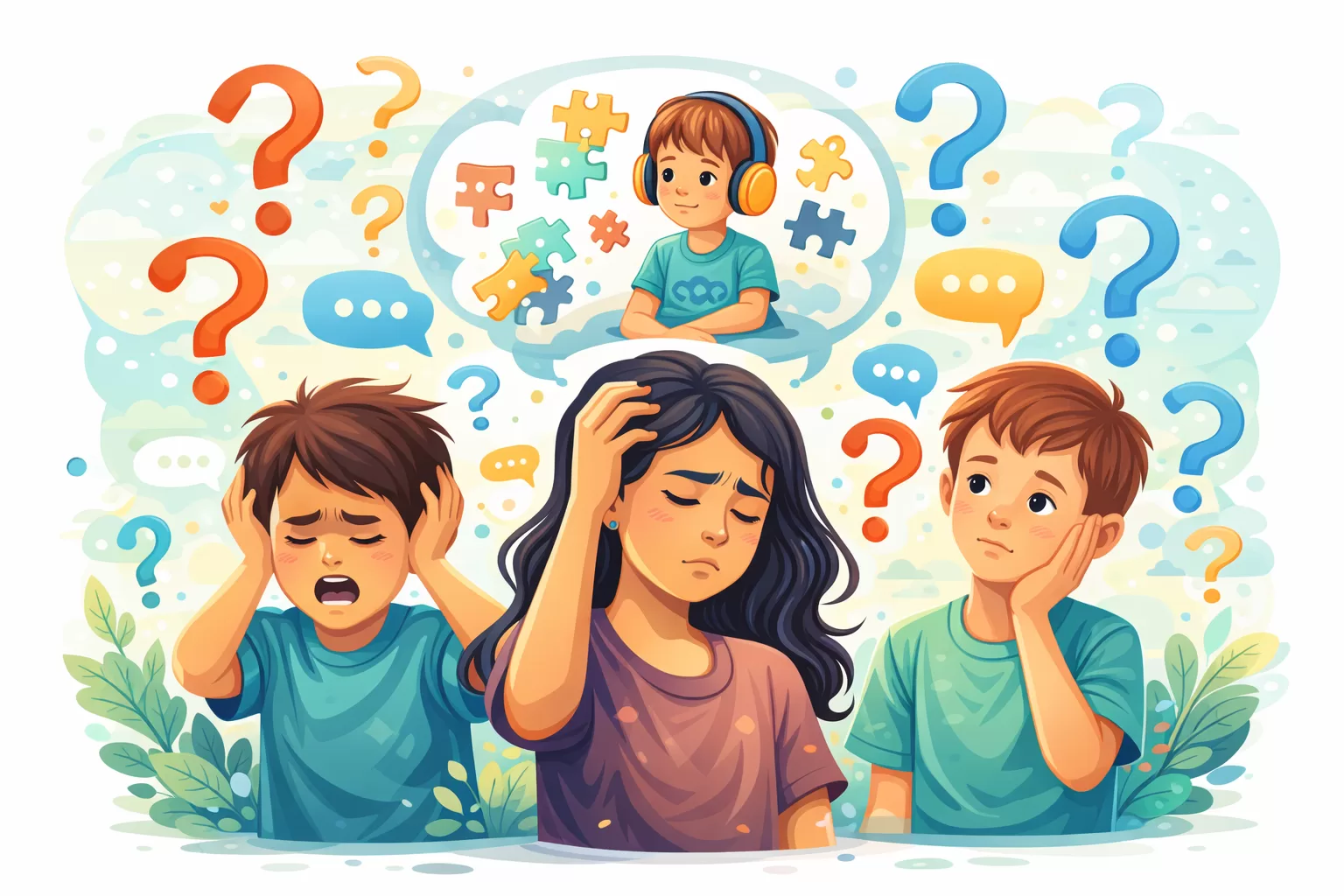









A consistent sense of belonging — feeling like you have a place among other people, not just proximity to them — is closely linked to mental well-being. Its absence, even when someone is surrounded by people, tends to show up as a persistent, hard-to-name kind of loneliness.
What Belonging Actually Means
Belonging is different from simply being around other people. It’s the sense that you can show up as yourself in a group or relationship and still be accepted — not that you’re liked for a performed version of yourself.
Why Belonging Matters for Mental Health
A felt sense of belonging is associated with lower stress reactivity and greater resilience during hard times, likely because it provides a buffer — a place to land when things are difficult, rather than facing challenges in isolation.
What Gets in the Way of Belonging
Belonging can be disrupted by moving, masking parts of your identity to fit in, past experiences of rejection, or simply not having found a community that fits. It isn’t always about a lack of effort — sometimes the right fit hasn’t been found yet.
Signs You May Be Missing a Sense of Belonging
This can show up as loneliness despite having people around, a persistent feeling of being on the outside, or hesitation to be fully honest in relationships out of fear it will change how you’re seen.
Small Ways to Build Genuine Connection
Belonging tends to build gradually — through consistent, low-stakes contact over time, shared activities, and small moments of honesty that let people know the real you rather than a curated version.
How Therapy Can Help With Belonging
A therapist can help you understand what’s gotten in the way of belonging in your life so far, and work through the patterns — avoidance, masking, past rejection — that may be making connection harder to build.
Talk with a therapist about building genuine connection and a stronger sense of belonging.