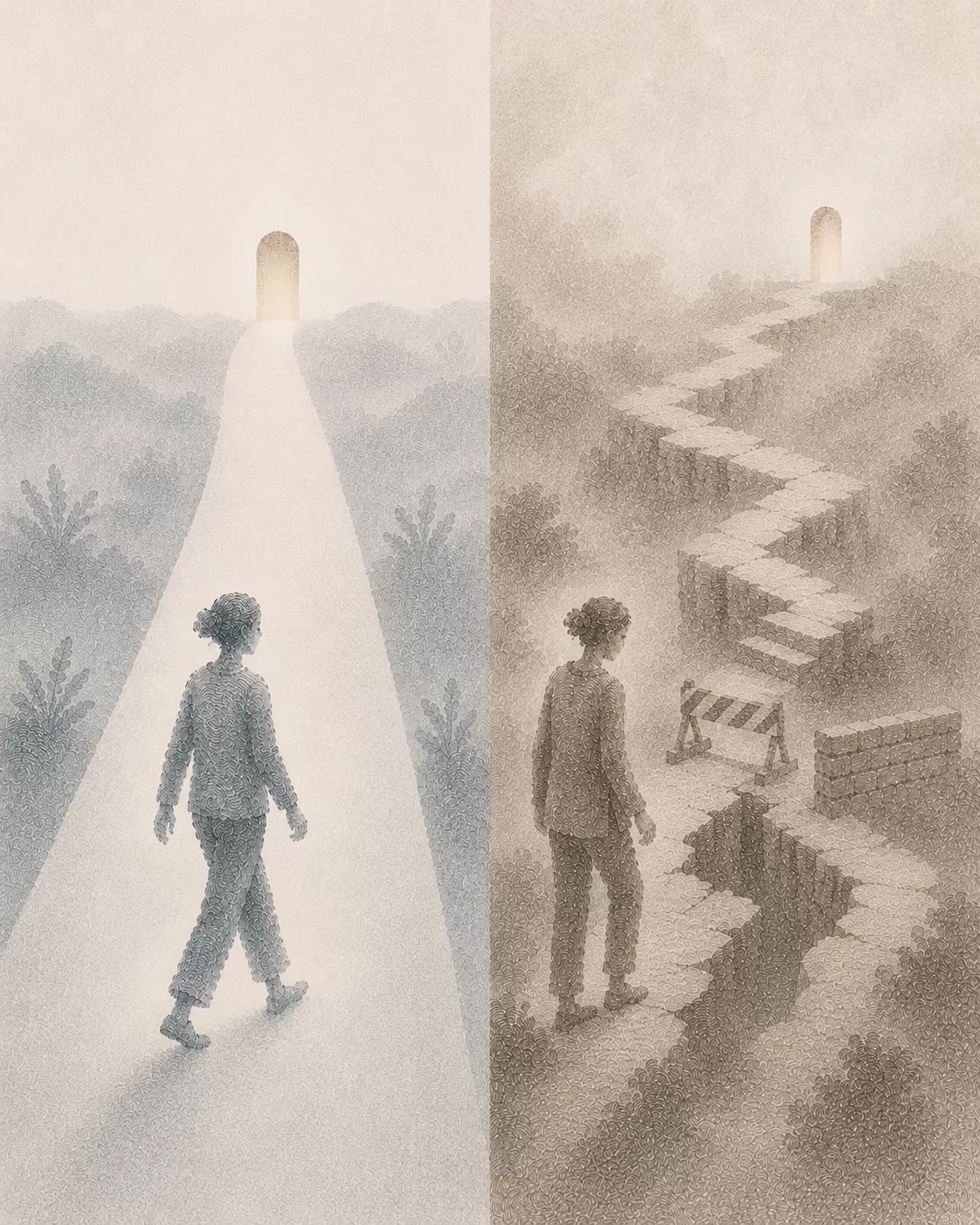









Grief is usually associated with death, but the same emotional process — shock, sadness, anger, eventual adjustment — can follow many other kinds of loss. Losing a job you built your identity around, a relationship, your health, or a future you’d planned on can bring grief that’s just as real, even without a funeral to mark it.
Why This Grief Often Goes Unrecognized
Because these losses don’t come with the social rituals and support typically offered after a death, people often feel they have to minimize what they’re feeling or move on faster than feels possible — a pattern sometimes called “disenfranchised grief.”
Common Sources of This Kind of Grief
- A health diagnosis or chronic condition that changes what life looks like
- The end of a long-term relationship or marriage
- A job loss, especially one tied closely to identity or purpose
- Infertility or a change in family plans
- A friendship that quietly ended
Why It Deserves to Be Taken Seriously
Grief that goes unacknowledged doesn’t disappear — it tends to surface in other ways, including irritability, fatigue, or a sense of being emotionally “stuck.” Naming it as grief, rather than something to just get over, is often the first step toward actually processing it.
How Therapy Can Help
A therapist can help create space for this kind of loss to be processed on its own terms, without the pressure to justify why it matters as much as it does.