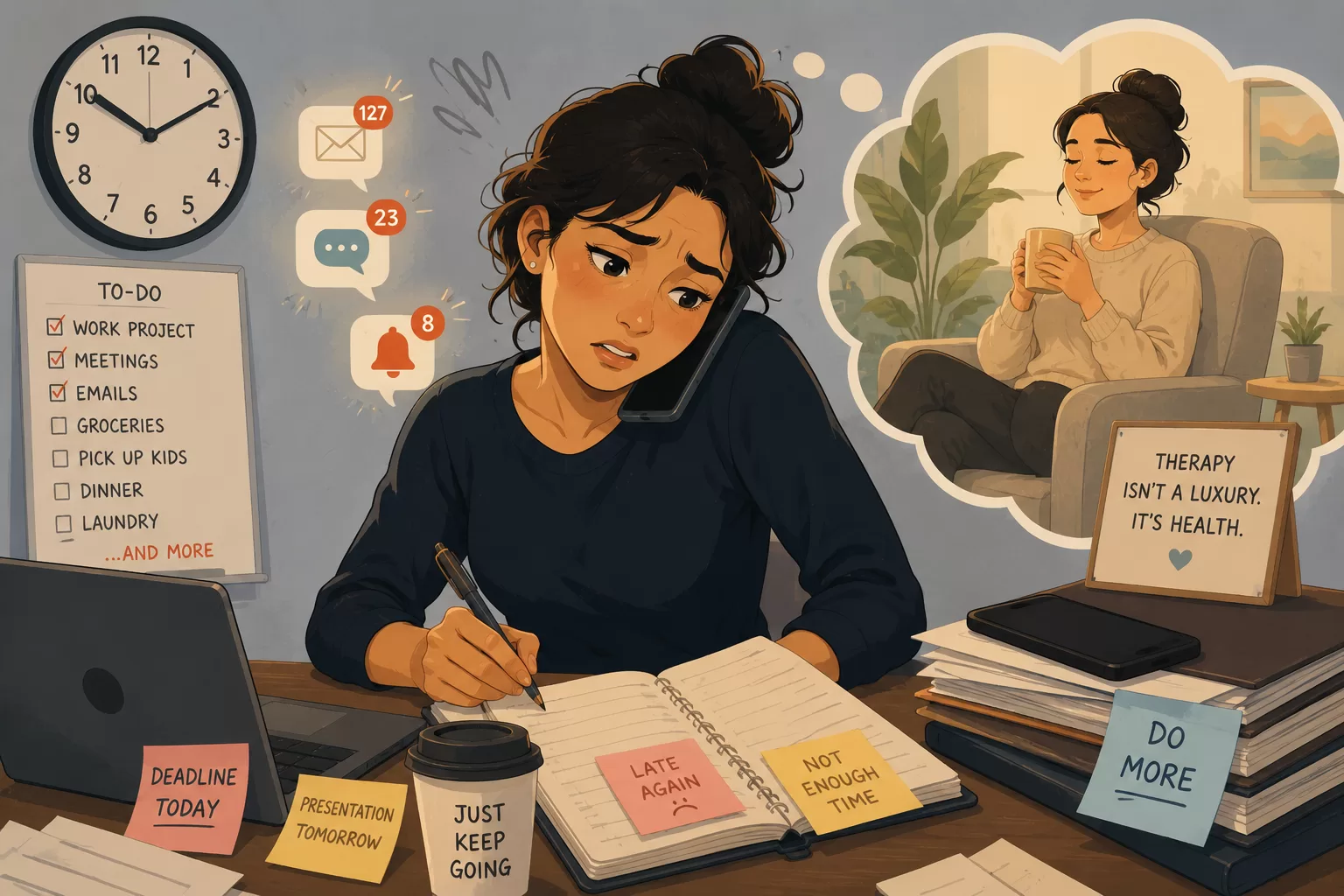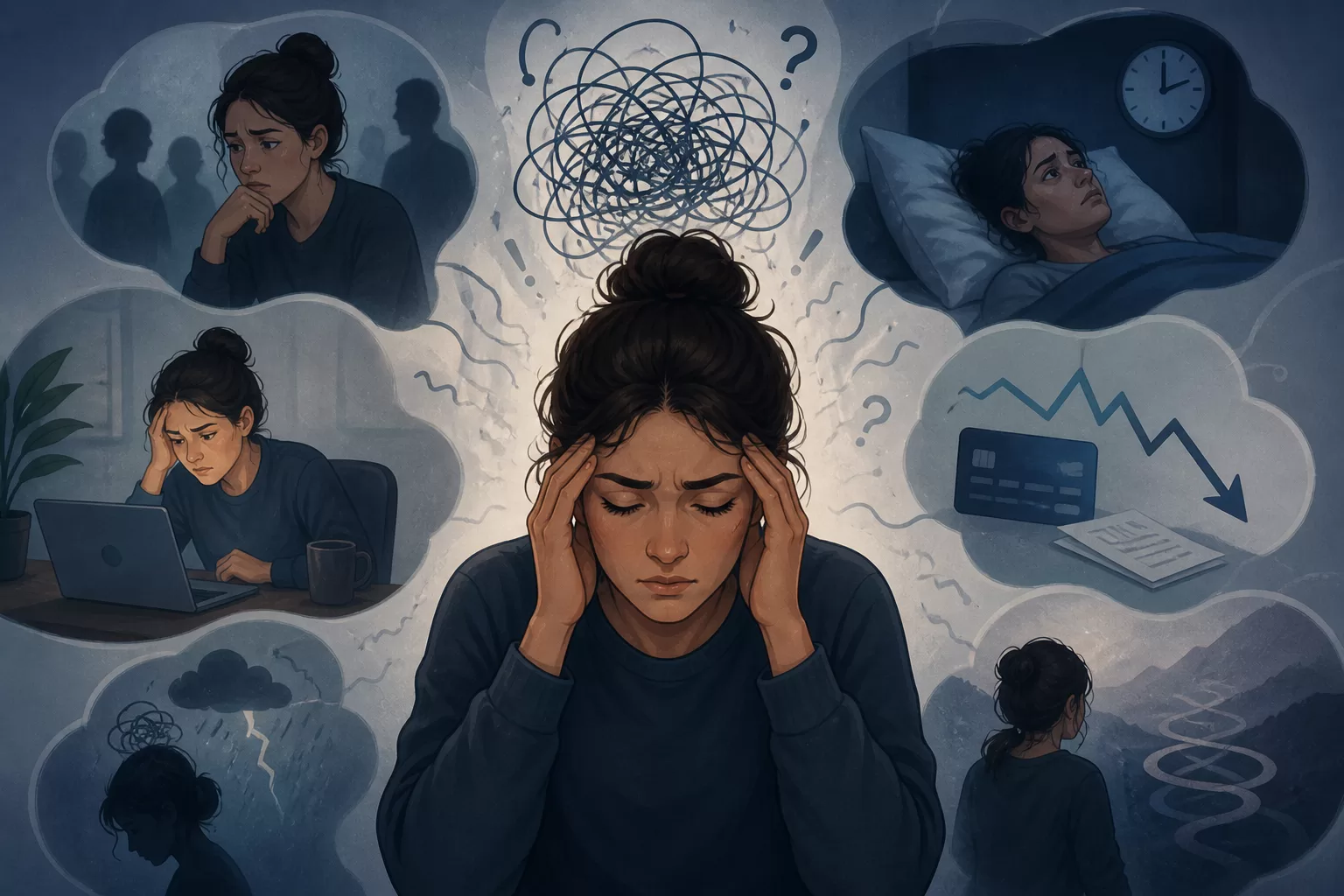
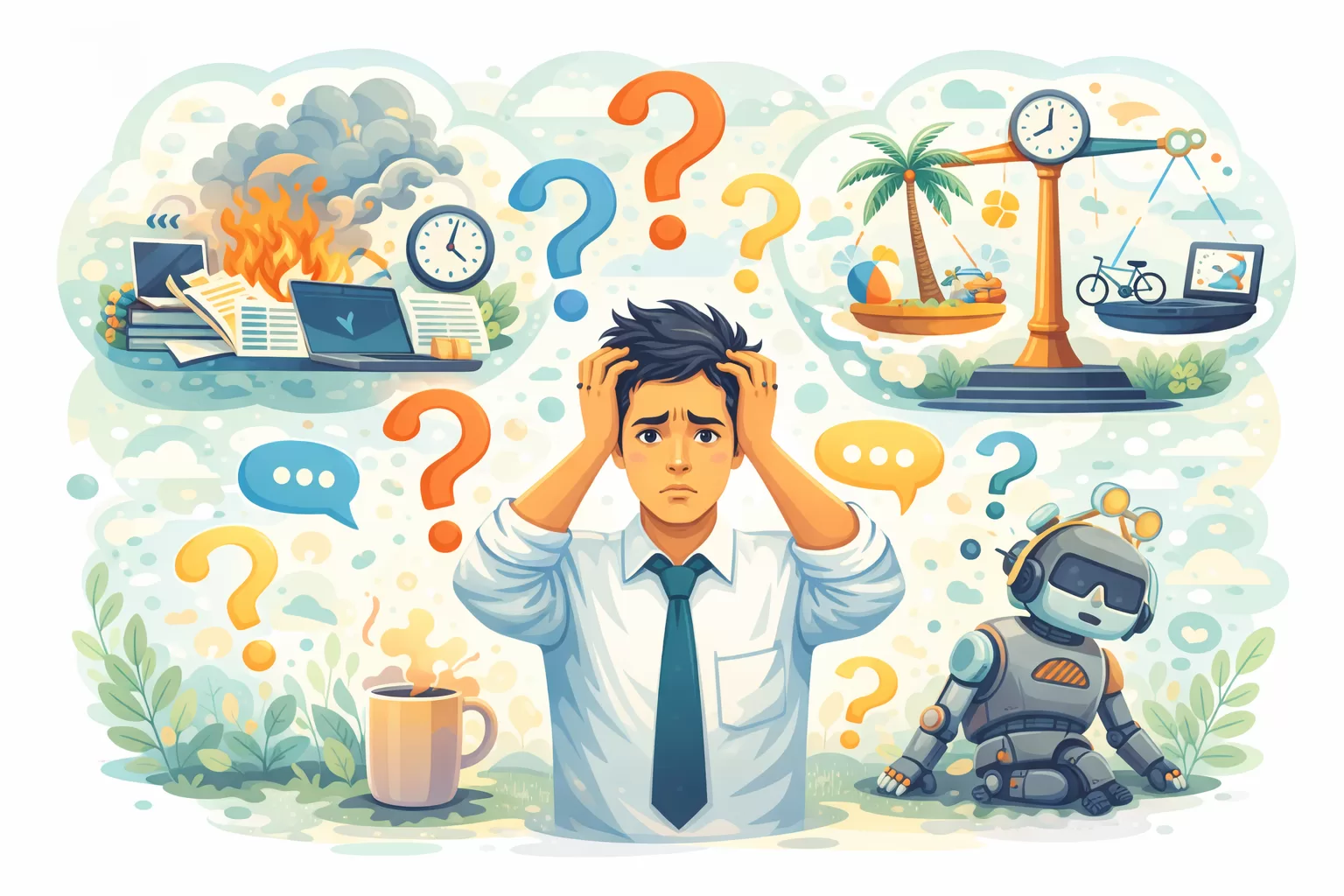








Stress, burnout, and work-life balance are related but distinct topics, and the terms get used loosely enough that it’s worth clarifying some of the most common questions people have about them.
What’s the Difference Between Stress and Burnout?
Stress is typically tied to a specific cause and eases once that cause resolves. Burnout is a more persistent state of exhaustion and detachment that builds over time and doesn’t resolve simply because a busy period ends.
Is Work-Life Balance Realistic?
“Balance” can suggest an equal split that isn’t realistic for most people most of the time. A more useful framing is sustainability — whether your current pattern, even if uneven, is something you can maintain without eroding your wellbeing.
How Much Stress Is Too Much?
There’s no universal threshold, but persistent stress that doesn’t ease with normal recovery time, or that’s starting to affect sleep, relationships, or health, is worth taking seriously rather than normalizing.
Can You Have Work-Life Balance in a Demanding Career?
It’s possible, though it often looks different than a strict 50/50 split — more like intentional boundaries and recovery built into a demanding schedule, rather than reduced ambition.
What Should I Do If I Think I’m Burned Out?
Start by identifying what’s actually within your control to change — even small adjustments — and consider whether professional support could help you build a more sustainable approach going forward.
When Should I Seek Professional Support?
If stress or burnout is persistent, worsening, or affecting your ability to function, that’s a reasonable point to seek support rather than waiting for it to resolve on its own.
Get support building a genuinely sustainable relationship with work.