







When Progress Feels Like It Has Disappeared
One of the most discouraging experiences people encounter during therapy or personal growth is the feeling that they are moving backward. After making progress, developing new coping skills, or experiencing a period of emotional stability, they suddenly find themselves struggling again. Old emotions return. Anxiety increases. Relationship challenges resurface. Reactions that seemed manageable become difficult once more. These moments create immediate self-doubt — they wonder whether therapy is working, whether they have failed, or whether all of their progress has somehow disappeared.
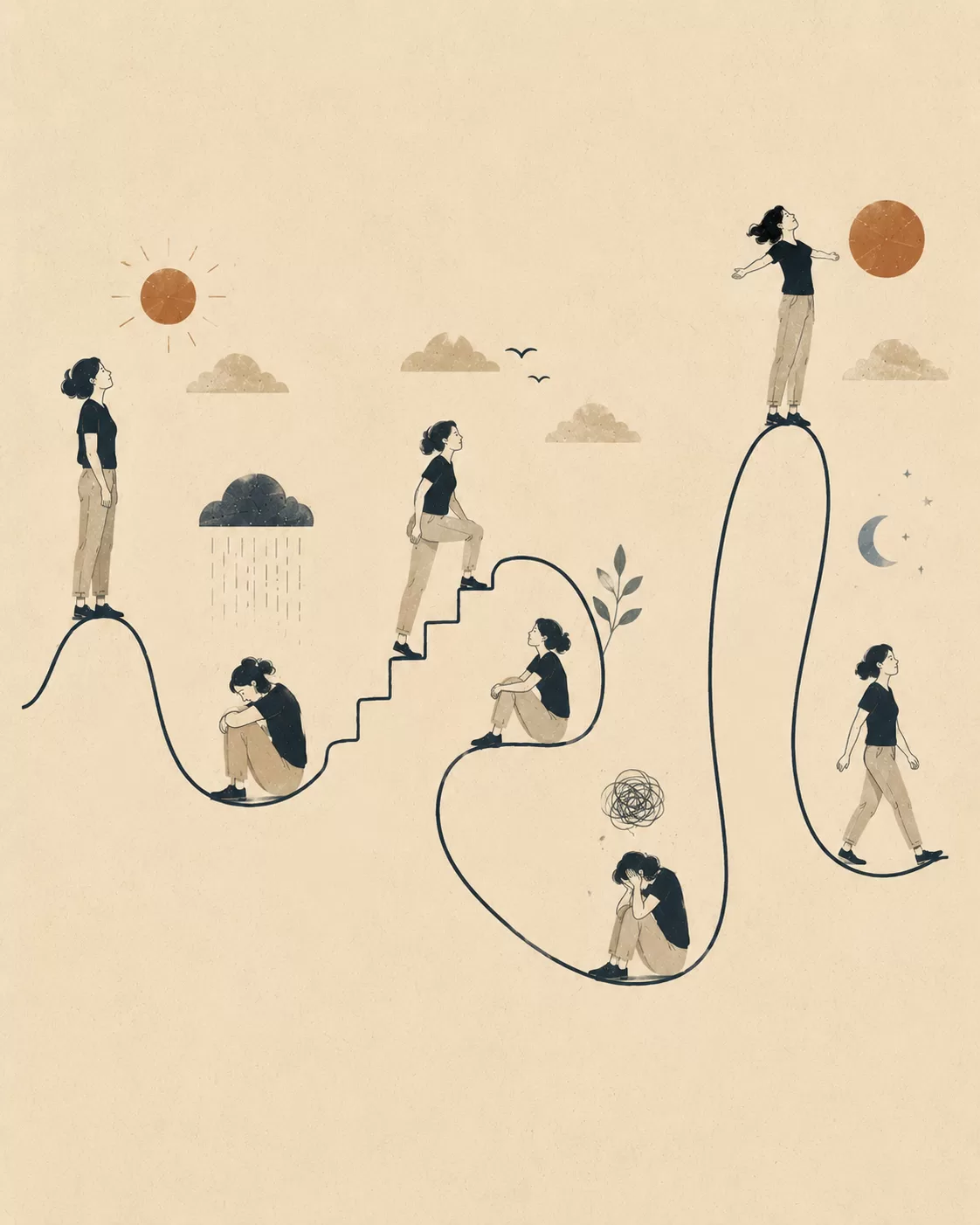
These concerns are understandable, but they are often based on a misunderstanding of how healing actually works. Many people imagine recovery as a straight path that moves steadily upward. In reality, emotional growth rarely follows such a predictable pattern. Healing often occurs in waves — periods of progress, periods of reflection, periods of challenge, and periods of integration. Moving through these phases does not mean something is wrong. In many cases, it is simply part of the process.
Why Old Feelings Sometimes Return
One reason healing feels nonlinear is that growth often occurs in layers. Many emotional struggles are connected to multiple experiences, beliefs, and relational patterns. Addressing one aspect of a challenge does not necessarily eliminate every related issue. Individuals often develop new insights as they encounter different stages of life. Someone may process experiences related to self-esteem and develop healthier confidence, then years later encounter circumstances that bring new awareness of those same experiences from a different perspective. The return of difficult emotions does not erase previous growth — more often it reflects the nervous system encountering circumstances that require additional attention and care.
Growth Changes How We Experience Challenges
One important reality about healing is that progress is often easier to recognize in hindsight than in the moment. When individuals are struggling, they frequently focus on the fact that distress is present. What they overlook is how differently they are responding compared to the past. Someone who once isolated themselves for months may now reach out for support after a difficult week. An individual who previously avoided conflict altogether may now engage in difficult conversations despite feeling anxious. The presence of difficult emotions does not necessarily indicate a lack of progress — often, growth is reflected in how individuals respond to those emotions rather than whether those emotions appear at all.
Signs That Growth Is Happening Even When It Doesn’t Feel Like It
Growth often appears in subtle ways that are easy to miss. Some signs of healing may include:
- Recovering more quickly from difficult emotions
- Recognizing triggers sooner
- Setting healthier boundaries
- Asking for support when needed
- Practicing greater self-compassion
- Becoming more aware of emotional patterns
- Making choices that align with personal values
Trusting the Process
Healing is often less like climbing a staircase and more like navigating waves. Some days feel calm and manageable. Others feel unpredictable and difficult. Yet movement continues even when progress is not immediately visible. The presence of difficult emotions does not mean growth has stopped. Challenging periods do not invalidate previous progress. For many people, healing involves learning to trust that growth can exist alongside struggle — that emotional wellness is not defined by the absence of pain but by the ability to move through life’s challenges with greater awareness, flexibility, and self-compassion. At Trust Therapeutics, therapists provide compassionate support for individuals navigating trauma, anxiety, relationship challenges, life transitions, and personal growth.