








When the Bar Always Feels Higher
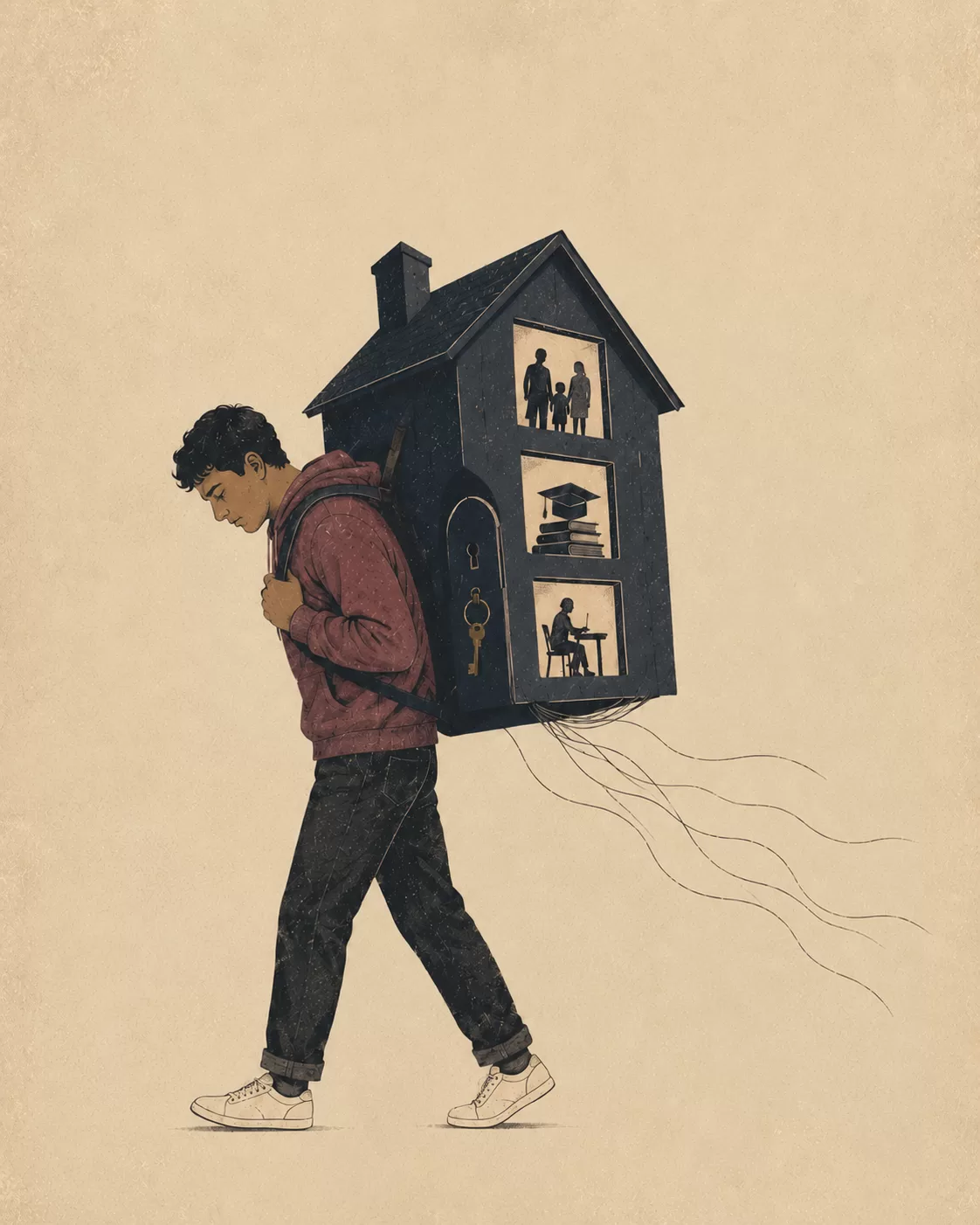
For as long as I can remember, I felt like I had something to prove. No one sat me down and explained directly that I had to work harder than everyone else. Yet somewhere along the way, I absorbed the message that being good was not enough — I needed to be exceptional. Whether those messages came from family, school, work, or my own experiences, they shaped how I approached life. I became someone who pushed myself relentlessly. People complimented my work ethic. For a long time, I saw that as a positive thing. What I did not realize was that constantly feeling the need to prove myself was affecting my mental health in ways I could not fully recognize at the time.
When Accomplishments Never Felt Like Enough
Whenever I achieved a goal, there was always another one waiting. If I earned praise, my attention immediately shifted toward maintaining that success. Instead of feeling proud, I often felt relief. Relief and satisfaction are not the same thing. I believed that once I reached a certain level of success, I would finally feel secure. Instead, the pressure simply followed me. Many people from marginalized communities experience similar feelings — pressure to represent their families or communities positively, worry about confirming stereotypes, or concern about not receiving the same opportunities as others. Over time, that pressure can become exhausting.
The Mental Load No One Saw
From the outside, people often viewed me as ambitious and capable. What they did not see was the mental energy required to maintain that image. I spent a great deal of time questioning myself — Was I prepared enough? Was I making mistakes that others would notice? Even when things were going well, I struggled to relax completely. This constant self-monitoring became so normal that I barely noticed it. Living with that level of pressure creates chronic stress. The mind rarely gets an opportunity to fully rest because it remains focused on performance, achievement, and avoiding failure.
When Strength Becomes a Burden
Growing up, I often heard messages about being strong. Strength was described as perseverance, determination, and resilience — qualities that helped me navigate difficult situations. The problem was that I eventually began treating strength as a requirement rather than a resource. Whenever I felt overwhelmed, I told myself to push through. The expectation to always be strong can make it difficult to acknowledge stress, anxiety, sadness, or burnout. It can create the belief that asking for help is a weakness rather than a healthy response to difficult circumstances. Eventually, I realized that strength and vulnerability can coexist.
Learning That Worth Is Not Measured by Productivity
Perhaps the most important part of my journey involved challenging the belief that my value depended on what I achieved. For years, I measured my worth through accomplishments — if I performed well, I felt good about myself; if I fell short, I became highly self-critical. Through reflection and personal growth, I began asking myself: Who was I outside of my achievements? What would it feel like to believe I was enough without earning that belief through productivity? Over time, I realized my worth did not increase when I succeeded or decrease when I struggled. That realization was both simple and transformative.
How Therapy Can Help
The pressure to constantly perform, achieve, and prove yourself can take a significant toll on mental health. Over time, these experiences may contribute to stress, anxiety, burnout, emotional exhaustion, and self-doubt. At Trust Therapeutics, we provide culturally responsive, affirming care that recognizes the unique experiences and challenges many individuals face. We help clients navigate stress, burnout, identity-related concerns, and other mental health challenges while building resilience and self-compassion.