






More Than Anxiety and Fear
Many people think of trauma as something that causes anxiety, fear, or emotional distress. While these experiences are certainly common, trauma often affects another area of life that receives far less attention: self-esteem. Long after a difficult experience has ended, trauma can continue shaping how individuals view themselves, their abilities, and their worth.
How Trauma Shapes Self-Perception
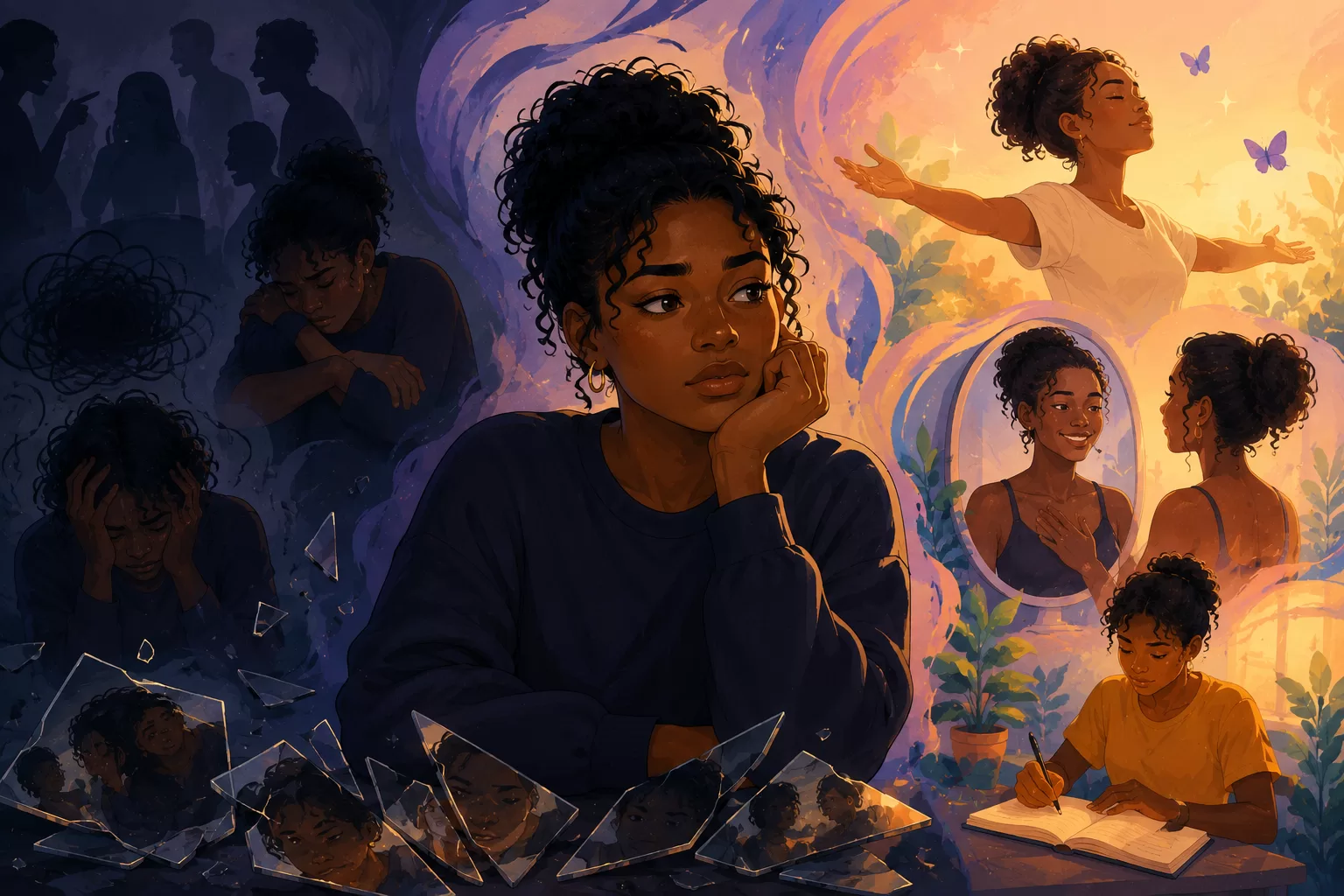
When people repeatedly experience criticism, neglect, rejection, or emotional invalidation, they often begin drawing conclusions about themselves. These beliefs rarely develop consciously — instead, they often become deeply rooted assumptions that influence how people interpret their experiences throughout life, long after the original trauma has faded into the background.
The Connection Between Trauma and Perfectionism
Many trauma survivors struggle with perfectionism, although they may not immediately recognize the connection. For someone with trauma-related self-esteem difficulties, perfectionism may become an attempt to earn worthiness. The problem is that self-worth becomes tied to achievement rather than inherent value.
Signs Trauma May Be Affecting Self-Esteem
- Chronic self-criticism
- Difficulty accepting compliments
- Fear of failure or rejection
- Perfectionism
- People-pleasing behaviors
- Feeling undeserving of success or happiness
Rebuilding Self-Esteem After Trauma
Healing trauma-related self-esteem difficulties often requires examining the beliefs that developed as a result of painful experiences and determining whether those beliefs are still serving a useful purpose. Rather than asking, “What’s wrong with me?” individuals begin asking, “What happened to me?”
How Therapy Can Help
At Trust Therapeutics, with awareness, support, self-compassion, and patience, individuals can begin challenging old beliefs and developing a healthier relationship with themselves. Trauma may have influenced how someone learned to see themselves, but it does not have to determine how they continue growing.