







For neurodivergent and disabled adults, daily life often involves navigating environments, systems, and expectations that weren’t designed with their needs in mind. That ongoing friction is real and can accumulate — but it can also make it harder to notice when everyday strain has shifted into something that warrants additional mental health support.
Why Everyday Strain Can Be Harder to Recognize
When navigating extra barriers is a constant backdrop, it can be difficult to distinguish “this is just what my day involves” from “this is starting to affect my mental health.” Both can be true at once, which is part of what makes this distinction genuinely difficult.
How Mental Health Strain Can Show Up Differently
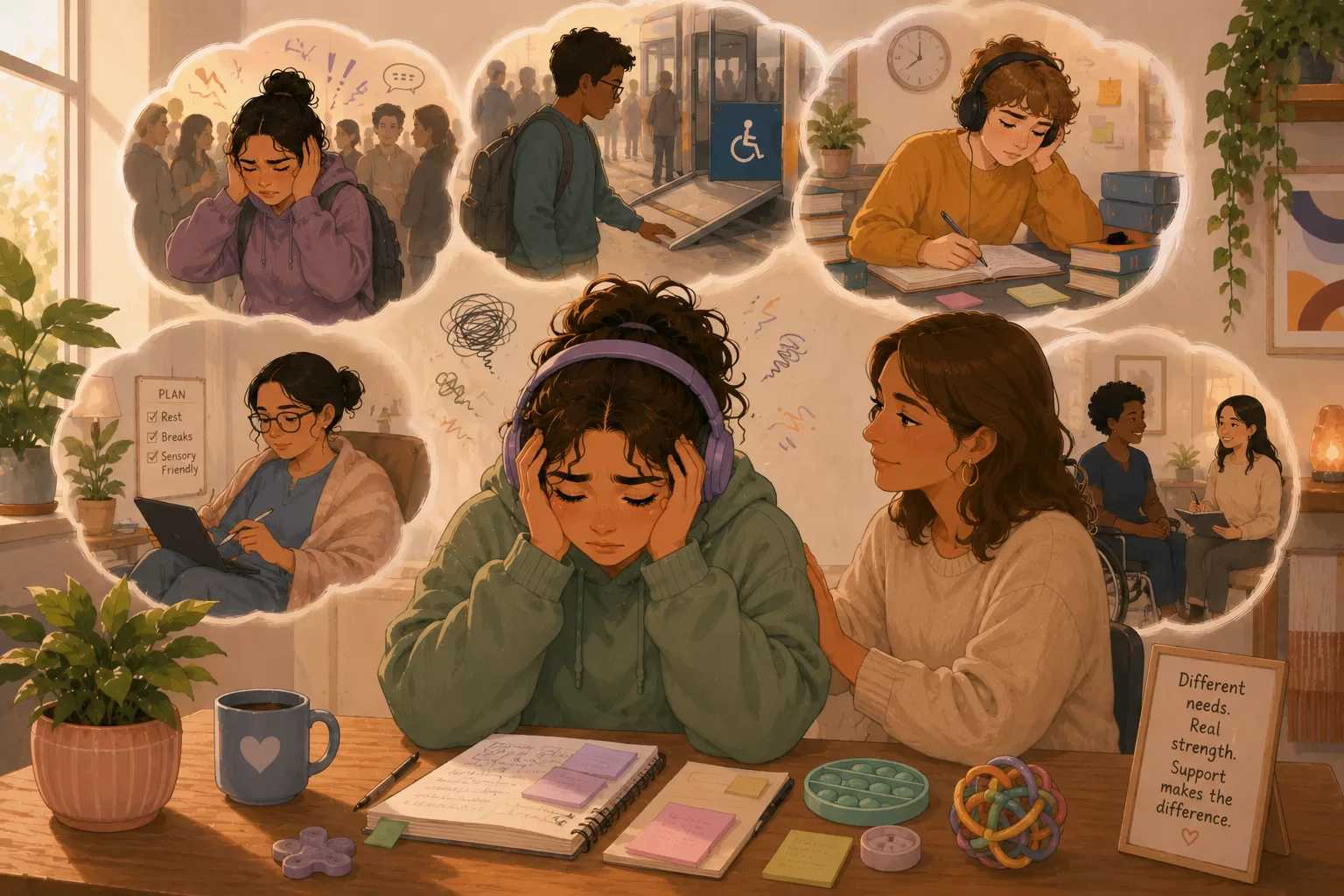
Depending on the individual, this can include increased shutdown or meltdown frequency, withdrawal from previously manageable activities, changes in sleep or eating, or a growing sense of exhaustion that doesn’t match the visible workload. Presentation varies significantly between individuals, so no single pattern applies universally.
The Added Weight of Systemic and Environmental Barriers
Inaccessible environments, misunderstanding from others, or the ongoing effort of navigating systems not built for you can all add a layer of chronic strain on top of whatever else is happening in someone’s life.
Masking and Its Mental Health Cost
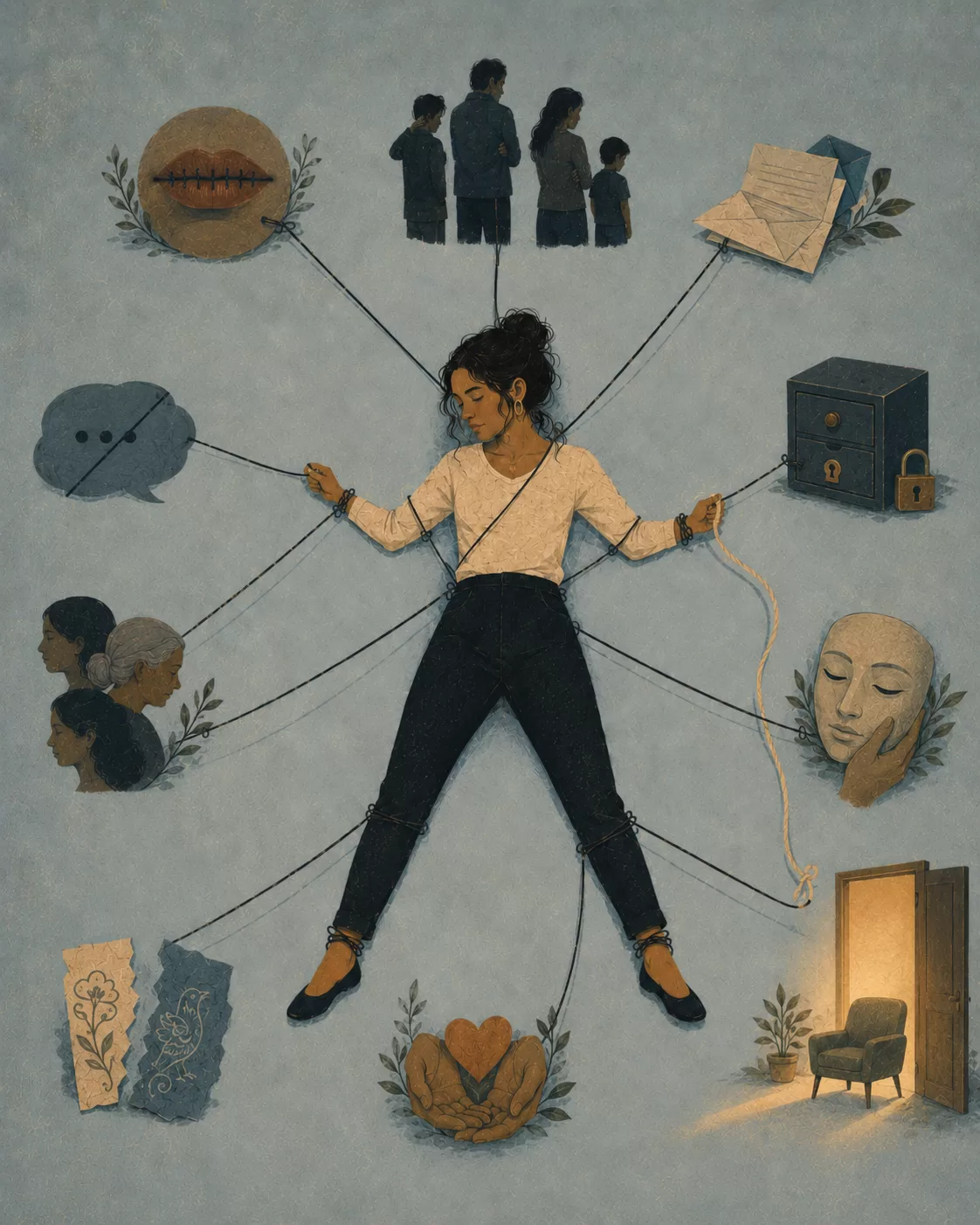
Many neurodivergent people learn to mask — suppressing or adjusting natural behaviors to fit expectations. Masking can be exhausting to sustain, and its cost is sometimes invisible to people who only see the outward result.
When to Consider Additional Support
If strain is persistent, escalating, or starting to affect daily functioning, relationships, or safety, that’s a reasonable point to seek support from a professional — ideally one with specific experience working with neurodivergent or disabled clients.
Finding Neurodiversity-Affirming Care
Neurodiversity-affirming therapy approaches differences as differences rather than deficits to eliminate, and focuses on genuine support rather than compliance or masking. It’s reasonable to ask a prospective clinician directly about their experience and approach.
Find neurodiversity-affirming support for the mental health impact of daily barriers.