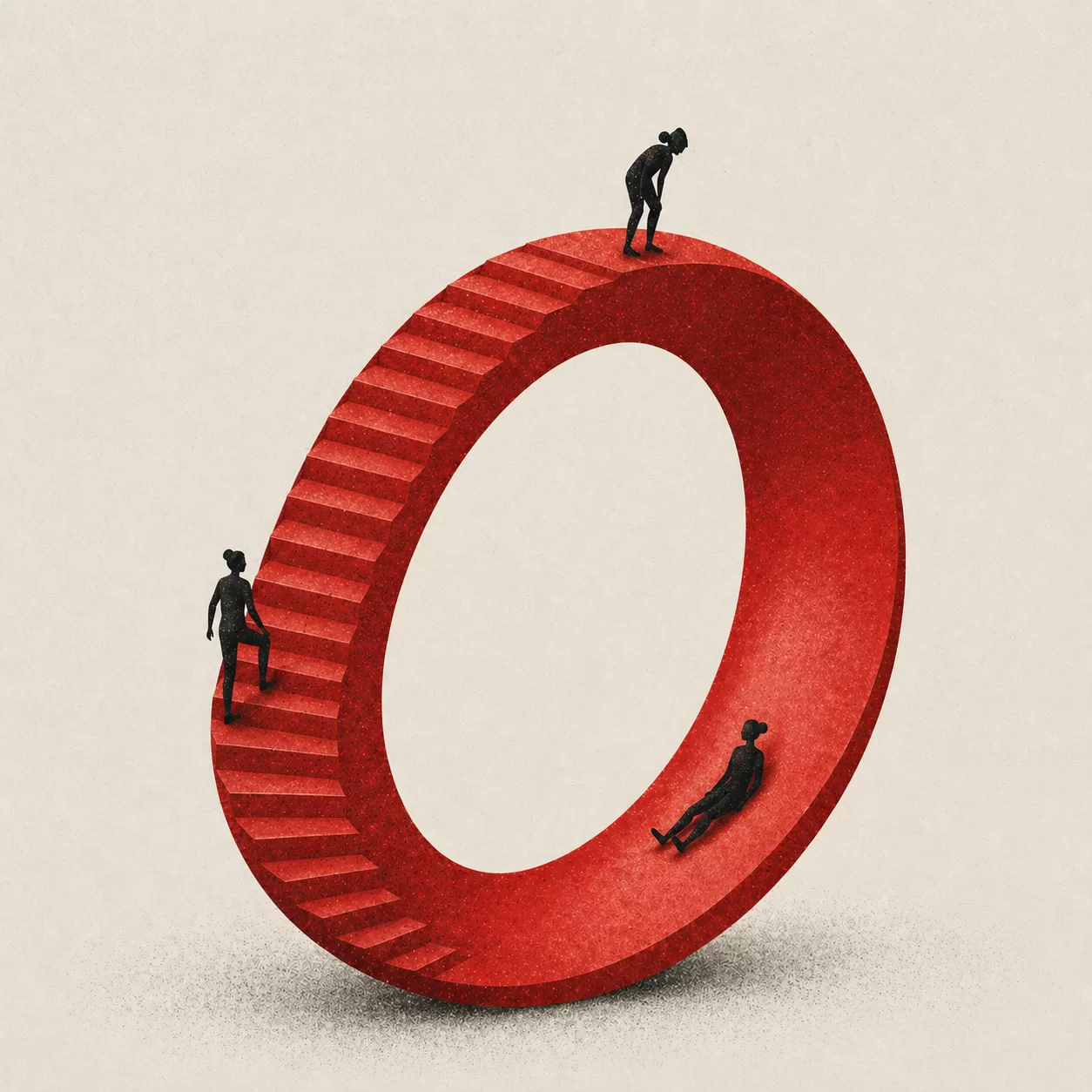









Panic attacks and ongoing anxiety can feel similar in the moment, yet they tend to follow different patterns. Understanding the difference can help you decide what kind of support to look for.
What a Panic Attack Often Feels Like
A panic attack is typically a sudden surge of intense fear that peaks quickly. People often describe a racing heart, shortness of breath, dizziness, trembling, or a feeling of losing control. Because the physical symptoms are strong, they can feel like a medical emergency.
What Ongoing Anxiety Often Looks Like
Ongoing anxiety is usually lower in intensity but longer in duration. It may show up as persistent worry, tension, trouble sleeping, or difficulty concentrating, often for weeks or longer.
Why the Distinction Helps
- Panic attacks may call for strategies aimed at the surge itself and the fear of it recurring
- Ongoing anxiety may call for work on worry patterns, stress, and daily coping
- Some people experience both
When to Seek Help
If symptoms are frequent, are limiting what you do, or are causing you to avoid places or activities, it is a good time to reach out to a licensed and qualified professional. A first-time episode with chest pain or severe symptoms is worth discussing with a medical provider to rule out other causes.
Both patterns are very treatable, and you do not need to wait until things feel unbearable.