







When Identity-Related Stress Goes Unrecognized
Stress can come from many sources. However, for many Black, Indigenous, and People of Color (BIPOC), stress may also be connected to experiences related to race, ethnicity, culture, and discrimination. Repeated exposure to racism, bias, microaggressions, or exclusion can have a meaningful impact on mental health over time. These experiences do not simply disappear once an interaction ends — they can affect how safe a person feels, how they view themselves, and how they navigate daily life.
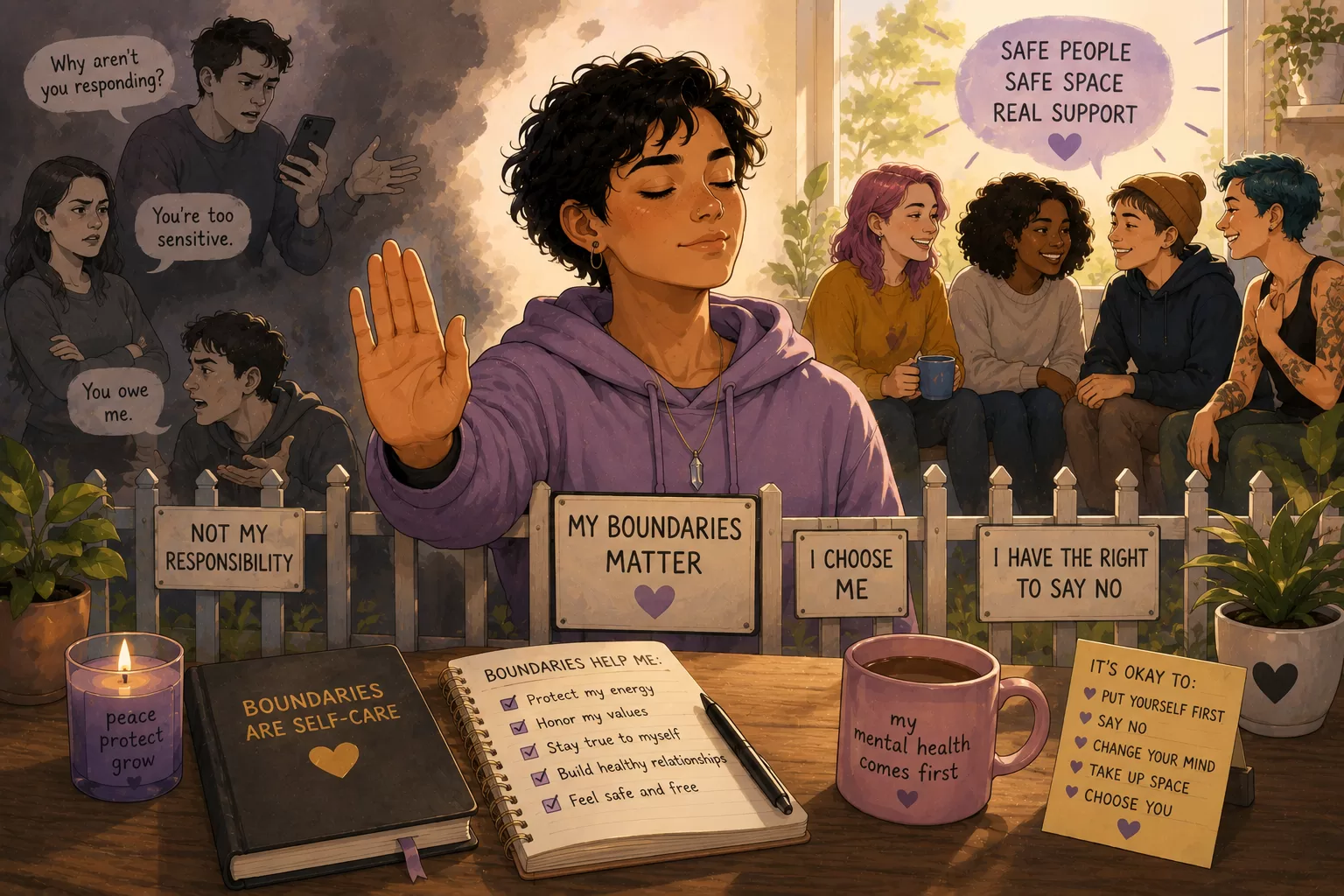
Many individuals minimize or dismiss the effects of racial stress, telling themselves they are overreacting or being too sensitive. In reality, repeated experiences of discrimination and bias can create significant emotional strain that deserves attention and support.
What Is Racial Stress?
Racial stress refers to the emotional and psychological strain that can result from experiences related to race, ethnicity, or cultural identity. These experiences may include overt discrimination, subtle forms of bias, microaggressions, exclusion, stereotyping, or witnessing discrimination directed toward others within one’s community. Small comments, assumptions, or interactions may seem minor when viewed individually, but their impact can become substantial when experienced repeatedly. Racial stress can also be influenced by broader societal events — news stories involving discrimination or racial injustice may create additional emotional strain.
Emotional Signs That Racial Stress May Be Affecting You
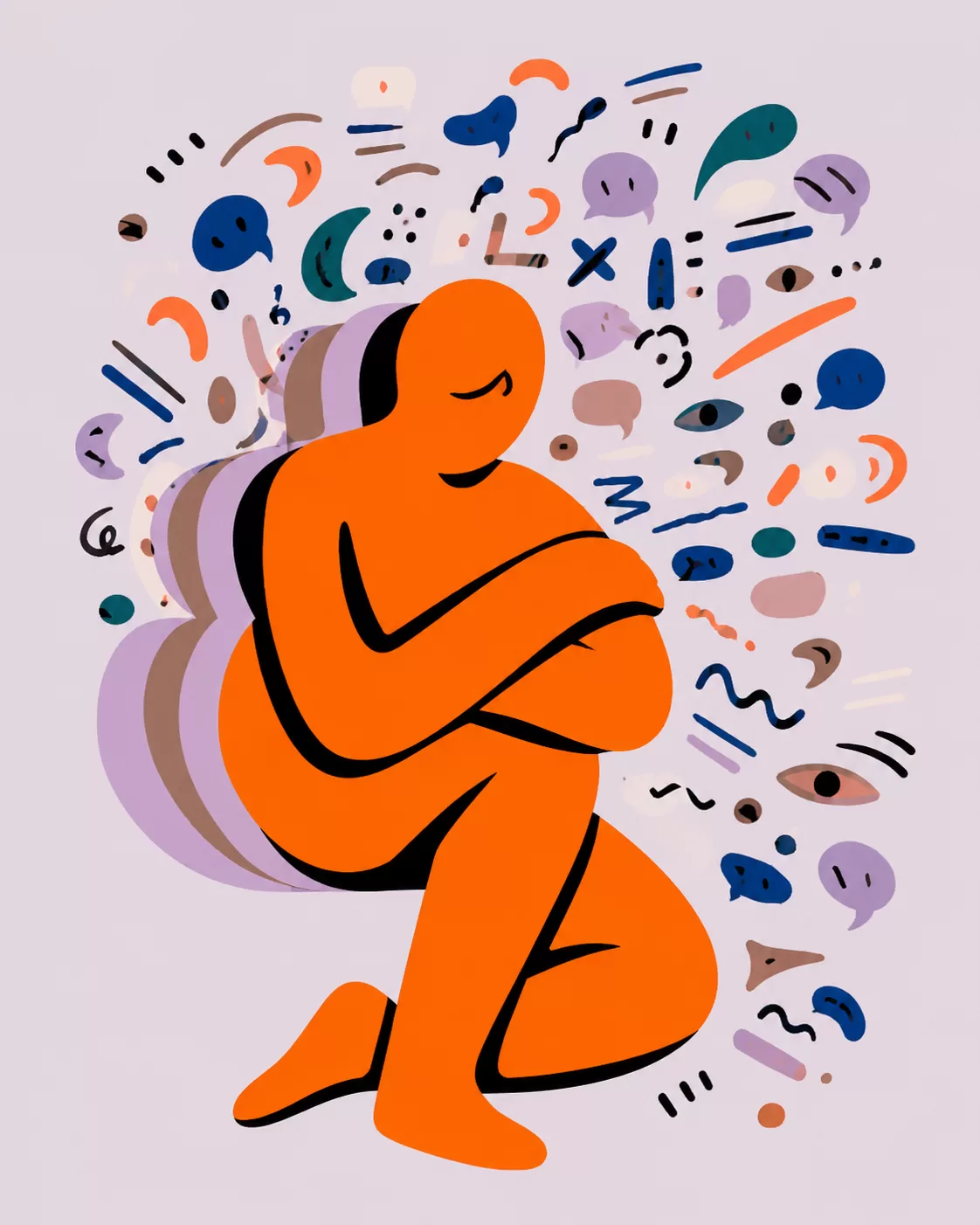
One of the most common effects of racial stress is increased emotional distress. Individuals may notice feelings of frustration, sadness, anger, anxiety, or emotional exhaustion following experiences related to discrimination or bias. Some find themselves constantly replaying interactions, questioning whether an incident was discriminatory. Others may become increasingly vigilant in social situations, anticipating potential bias before it occurs. Over time, this can affect self-esteem and confidence — individuals may begin questioning their abilities or feeling self-doubt in environments where they feel marginalized.
Hypervigilance and Feeling Constantly On Guard
Many individuals experiencing racial stress describe feeling as though they are constantly on alert. They may monitor their behavior, language, or interactions in an effort to avoid negative treatment or stereotypes. While these behaviors often develop as protective strategies, maintaining this level of vigilance can be exhausting and may contribute to anxiety, sleep difficulties, and difficulty feeling fully present in everyday life.
When Racial Stress Begins Affecting Daily Life
Racial stress becomes especially concerning when it starts affecting daily functioning. Some individuals may begin avoiding certain environments because they anticipate discrimination or discomfort. Others may withdraw socially, feel less motivated, or struggle to focus at work or school. Relationships can also be affected — individuals may find it difficult to explain their experiences to people who have not faced similar challenges, increasing feelings of isolation and frustration.
The Importance of Seeking Support
Many people attempt to manage racial stress on their own, particularly if they worry others may not understand their experiences. However, support can play a critical role in emotional well-being. Culturally responsive therapists recognize that race, culture, identity, and social experiences can influence mental health. Rather than dismissing or minimizing these experiences, culturally responsive care acknowledges their importance and helps individuals navigate them meaningfully. At Trust Therapeutics, we provide affirming, culturally responsive care that acknowledges the impact of racial stress, discrimination, and identity-related experiences on emotional well-being.