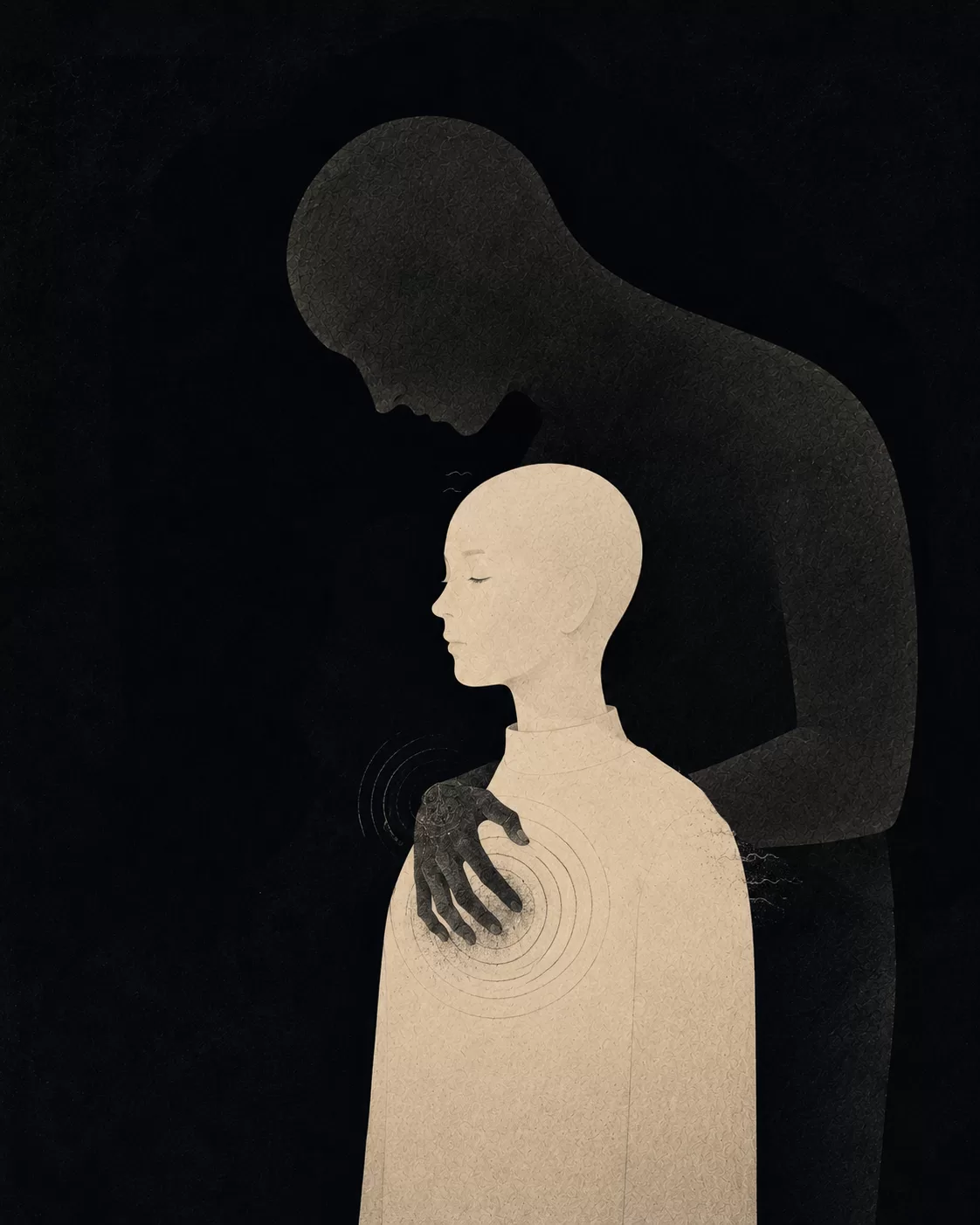









Loneliness Is About Connection, Not Just Company
Loneliness is one of the most common emotional experiences people face, yet it can feel deeply personal and difficult to talk about. You can be surrounded by people, engaged in conversations, and still feel disconnected. Understanding loneliness begins with recognizing that it is not just about the number of people in your life. It is about the quality of connection you experience, both with others and with yourself. Loneliness is not a reflection of failure. It is a signal that something important is missing or needs attention.
Why Loneliness Can Feel So Persistent
Loneliness often becomes a cycle. When you feel disconnected, you may pull back from social situations. This can reduce opportunities for connection, which then reinforces the feeling of loneliness. There may also be internal factors at play — self-doubt, fear of rejection, or past experiences can influence how you approach relationships. These patterns are often protective, but they can also make it harder to create the connection you are looking for.
The Impact of Loneliness on Mental Health
Over time, persistent loneliness can contribute to increased anxiety, low mood, and a sense of disconnection. It can also affect how you view yourself and your relationships. You may begin to question your worth, assume others are not interested in connecting, or feel like you do not belong. These thoughts can make it even harder to move toward connection.
Common Signs of Loneliness
- Feeling disconnected even when you are around others
- Wanting connection but not knowing how to reach out
- Avoiding social situations despite feeling lonely
- Overthinking interactions or worrying about how you are perceived
- A sense of emptiness or lack of emotional closeness
Rebuilding Connection in Small Ways
Addressing loneliness does not require immediate, large changes. This might include reaching out to someone you trust, engaging in a shared activity, or allowing yourself to be slightly more open in conversations. Connection builds over time. Even small moments of genuine interaction can begin to reduce feelings of isolation.
How Therapy Can Help
At Trust Therapeutics, we support individuals in understanding loneliness, rebuilding connection, and developing relationships that feel more meaningful and supportive. Therapy offers a space to explore these experiences without judgment and to move toward a greater sense of belonging. If you have been asking yourself why you feel so alone, your experience matters. With time, awareness, and support, it is possible to feel more connected both to others and to yourself.