








When Pride Brings Mixed Emotions
For many people, Pride Month represents celebration, visibility, community, and self-expression. It can be a time of joy, connection, and affirmation for LGBTQ+ individuals who may have spent years feeling unseen or unsupported. At the same time, Pride Month can also bring up complicated emotions that are rarely discussed openly. For some people, Pride can trigger grief, loneliness, anxiety, family-related pain, identity-related stress, or memories connected to rejection and emotional survival. These reactions do not make someone ungrateful or disconnected from the LGBTQ+ community — they are often deeply connected to personal experiences, relationships, safety, and identity development.
Pride Can Highlight Experiences of Rejection
For some LGBTQ+ individuals, Pride Month brings attention to the very parts of life where acceptance was missing. Seeing public celebration of identity can sometimes intensify grief connected to family rejection, lost relationships, bullying, religious trauma, or years spent hiding important parts of oneself. Someone may genuinely feel happy seeing visibility and support while simultaneously grieving the emotional experiences they did not have. These mixed emotions are more common than many people realize.
Social Media Can Intensify Emotional Stress
During Pride Month, social media often becomes saturated with celebratory content, coming-out stories, activism, relationship content, and discussions about identity and belonging. While this can create connection and representation, it can also increase comparison, loneliness, or emotional overwhelm. Some individuals may begin questioning whether they are “out enough,” connected enough to community, or comfortable enough with themselves. For people already struggling with anxiety, trauma, or emotional exhaustion, constant exposure to emotionally charged content can become mentally draining.
Emotional Triggers Do Not Mean Pride Is “Bad”
It is important to remember that emotional triggers are not criticisms of Pride itself. A person can deeply value Pride Month while still experiencing complicated emotions connected to it. Many LGBTQ+ individuals hold both joy and grief at the same time. Someone may feel proud of their identity while still carrying pain connected to how they were treated by others. Allowing space for emotional complexity can actually make Pride feel more authentic and emotionally supportive.
How Therapy Can Help Process Identity-Related Stress
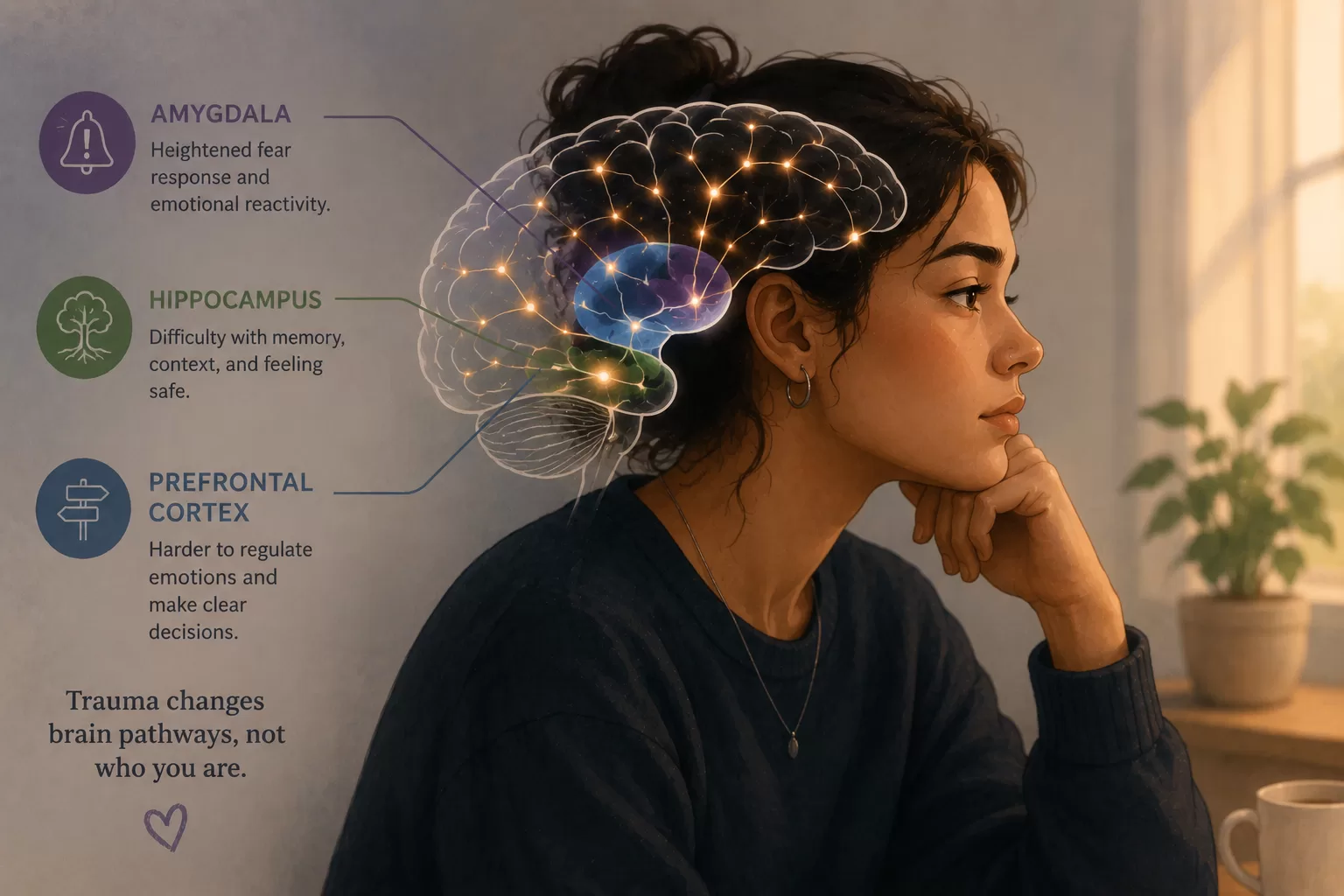
For some LGBTQ+ individuals, Pride Month can bring unresolved emotional experiences more clearly to the surface. At Trust Therapeutics, LGBTQ+ affirming therapy may involve helping individuals better understand trauma responses, strengthen emotional regulation, improve self-understanding, and navigate identity-related stress with greater self-compassion. Therapy can also help people recognize that emotional triggers are often connected to experiences the nervous system learned to associate with fear, rejection, or emotional danger over time.